10 Fun Facts

Native American Facts for Kids

Get ready for an adventure, Kidopoly explorers! We're diving deep into the incredible, complex, and often surprising history of the Native American peoples who lived across this land for thousands of years before anyone else arrived. Forget boring textbook lists—we're uncovering mind-blowing facts about cities bigger than London, ancient inventions, and powerful traditions that still shape the world today. Prepare to be amazed!

1

America's First Megacity Was Bigger Than London!

TL;DR

Cahokia, a Native American city, was larger than London around 1100 CE.
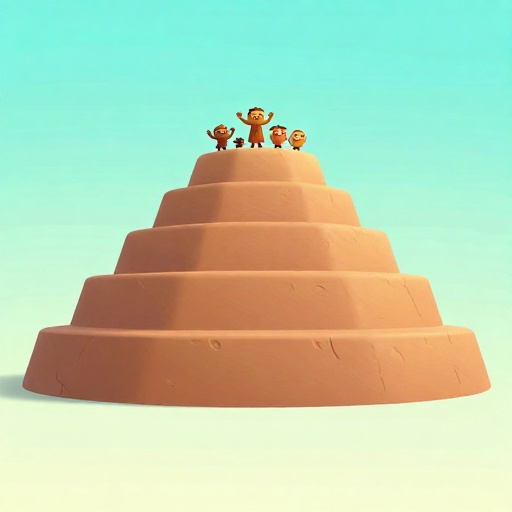
Cartoon illustration of a huge ancient earthen mound built by Native Americans.

Believe it or not, before Columbus arrived, North America had massive cities! Cahokia, near modern-day St. Louis, was the biggest pre-Columbian city north of Mexico.

Around the year 1100 CE, Cahokia covered about 6 square miles and had a population between 15,000 and 20,000 people.

That's as big as a major European city like London was at that time! They built huge earth mounds, like Monks Mound, which is the largest earthwork structure in the US!
2

The Trail of Tears Killed 1 in 4 Cherokees!

TL;DR

The forced 1,200-mile march called the Trail of Tears resulted in thousands of deaths.

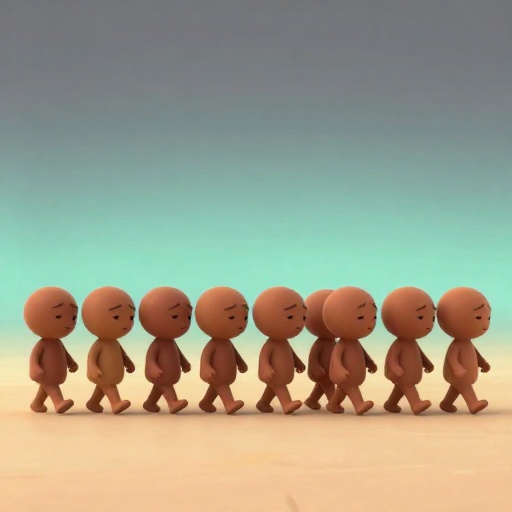
Cartoon illustration of Native American people sadly marching along a long, dusty trail.

This fact is super sad, but it's important to know. The Trail of Tears was the forced removal of over 60,000 Native Americans, including the Cherokee, between 1830 and 1850.

For the Cherokee Nation, an estimated 4,000 men, women, and children died on the 1,200-mile march to Indian Territory (Oklahoma).

That means about one out of every four people on that specific journey did not survive due to exposure, starvation, and disease.

3

Kayaks and Sunscreen are Indigenous Inventions!

TL;DR

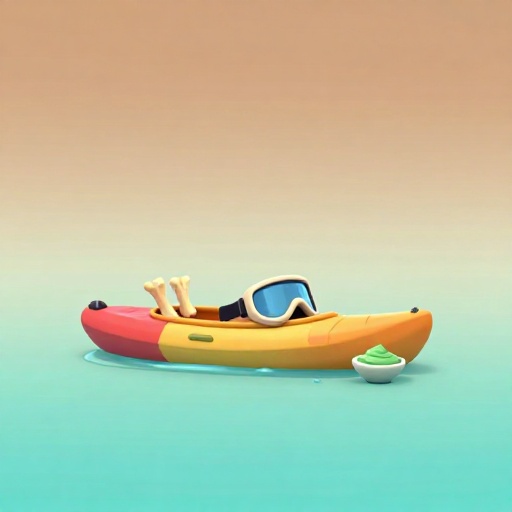
Kayaks, snow goggles, and early sunscreen came from Native American ingenuity.

Cartoon showing a kayak, snow goggles, and a bowl of natural sunscreen.

You use these things every day, but they were invented by Indigenous peoples! Arctic Native Americans created the kayak, originally built with animal skin over a frame.

They also carved snow goggles from materials like whale bone to protect their eyes from the bright glare off the snow and ice.

Plus, healers mixed ground plants to create an early form of sunscreen to protect their skin from the sun!

4

There Are 574 Federally Recognized Tribes Today!

TL;DR

The US government officially recognizes 574 American Indian and Alaska Native tribes.

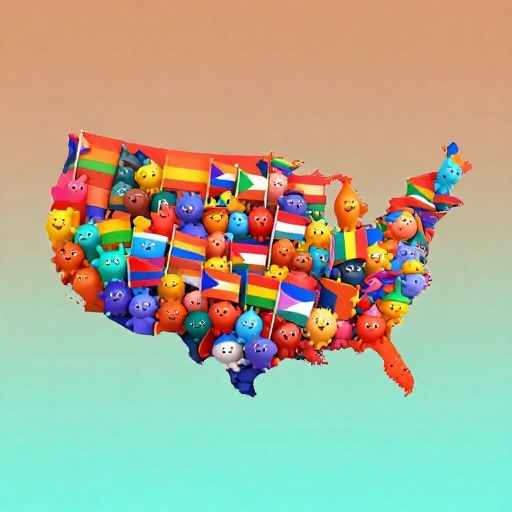
Cartoon illustration of 574 colorful, distinct tribal flags grouped together.

The incredible diversity of Native American nations is shown in the official count! As of January 2023, the US government recognizes 574 American Indian and Alaska Native tribal entities.

These aren't all one group-they are inherently sovereign nations with their own laws and governments!

Of those, 347 are in the contiguous 48 states, and 227 are located in Alaska, showing huge geographic variety.

5

Wampum Belts Were Official History Books!

TL;DR

Wampum beads woven into belts recorded history, laws, and treaties.

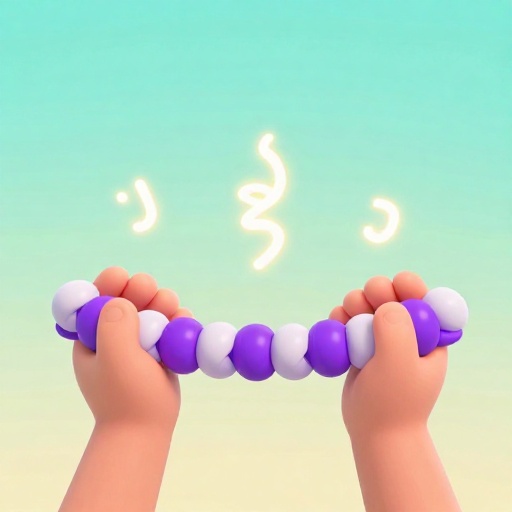
Cartoon illustration of a woven wampum belt displaying historical patterns and glowing text.

Wampum beads, made from the white and purple parts of the Quahog clam shell, weren't just pretty jewelry or money for many tribes like the Haudenosaunee.

These beads were woven into belts like The Hiawatha Belt to visually record important events, laws, and treaties. They were a living record!

A designated 'Wampum Keeper' would memorize the story and then 'read' the belt aloud to ensure everyone remembered the original agreement perfectly.

6

The Tallest Totem Pole Reached 173 Feet!

TL;DR

The tallest totem pole, in British Columbia, was 173 feet high, built in pieces.

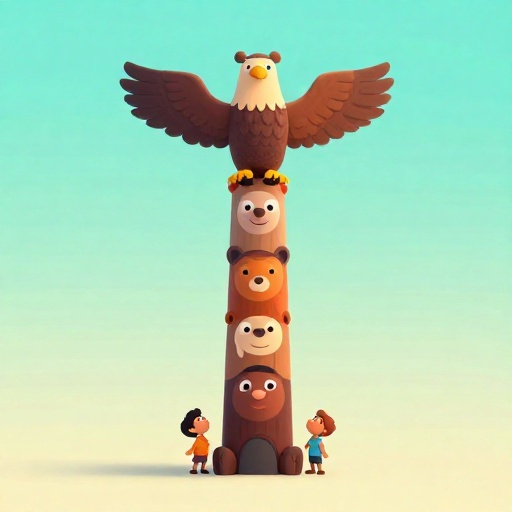
Cartoon illustration of a massive, colorful totem pole reaching toward the clouds.

Totem poles are stunning art from the Pacific Northwest coast, carved from massive trees like Western Red Cedar!

The current tallest one recorded is in Alert Bay, British Columbia, standing at an amazing 173 feet (53 meters) tall.

To give you an idea, that’s taller than a 17-story building stacked up! Some are carved from a single log, but the tallest one was made of a few pieces joined together.

7

The World's Largest Tribe Has Nearly 400,000 Citizens!

TL;DR

The Navajo Nation is the largest federally recognized tribe with about 399,567 members.

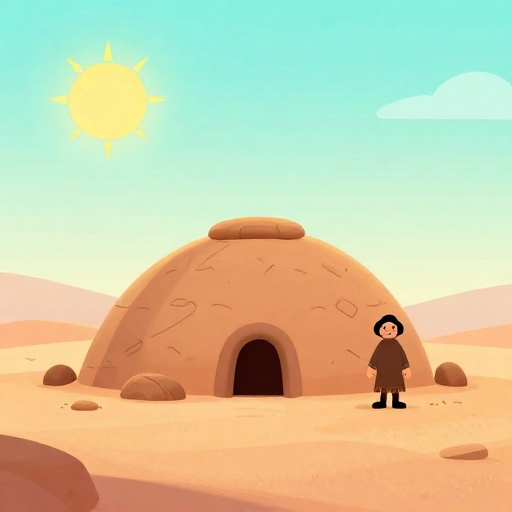
Cartoon illustration of a traditional Navajo hogan in a sunny, stylized desert.

While the Cherokee ancestry count is huge, the Navajo Nation is the largest single federally recognized tribe in the US, with about 399,567 citizens reported in 2023!

Their homeland, the Navajo Nation, covers land in Arizona, New Mexico, and Utah.

That's a land area bigger than the state of West Virginia—that’s a LOT of territory to manage!

8

Lacrosse is America's Oldest Organized Sport!

TL;DR

The game of Lacrosse, or Stickball, was played by hundreds of tribes for centuries.

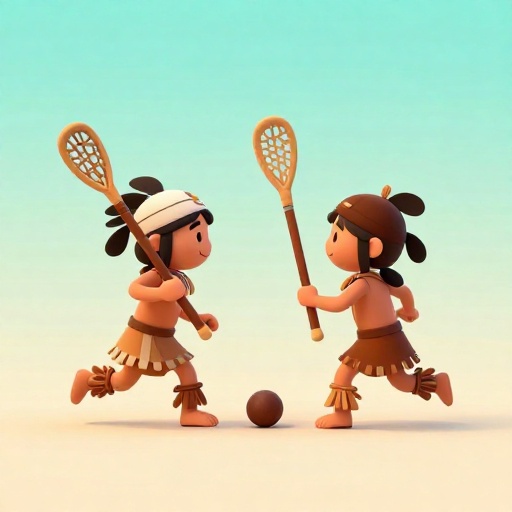
Cartoon illustration of two players in an ancient stickball game, using long sticks.

You might have seen it in school, but Lacrosse, often called Stickball by various Native American groups, is one of the oldest team sports in the world!

Games could involve hundreds of players on fields that stretched for miles, sometimes two or three miles long!

It wasn't just for fun-it was a deeply spiritual event often played to settle disagreements or give thanks, not just for sport!

9

They Invented an Early Version of the Syringe!

TL;DR

Tribes used animal bladders and hollow bird bones for early medical injections.

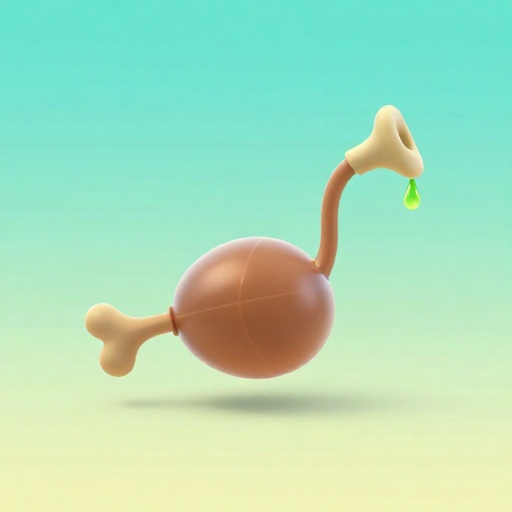
Cartoon illustration of an ancient syringe made from an animal bladder and bird bone.

Long before modern medicine, Indigenous peoples developed clever tools for healing! They created a precursor to the syringe to help with medical needs.

They used a cleaned animal bladder to hold fluids and attached a sharpened, hollow bird bone to act as the needle.

This tool helped them inject medicine or irrigate wounds, proving incredible early knowledge of anatomy and sterile-ish practices for kids!

10

Powwows Can Attract 80,000 Visitors!

TL;DR

Large powwows are pan-Indian celebrations with thousands of dancers and visitors.

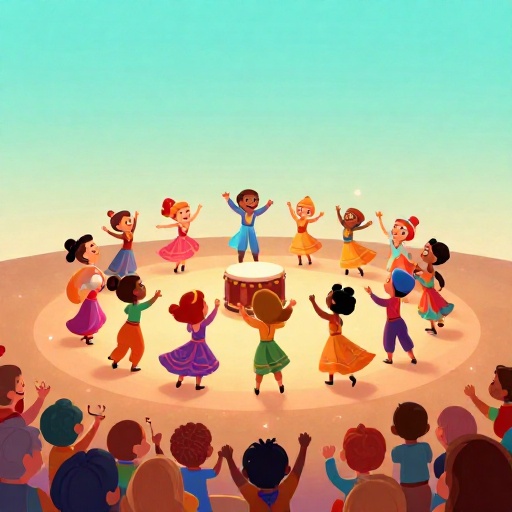
Cartoon illustration of a lively Native American powwow with dancers and a large audience.

A powwow is a massive, vibrant gathering for Native American people to socialize, sing, dance, and honor their cultures today.

Some of the largest events, like the Gathering of Nations, can bring in about 80,000 visitors and 3,000 dancers from hundreds of tribes!

These gatherings are important for intertribal friendship and celebrating shared identity, even if they have fun contests with cash prizes!

Frequently Asked Questions

What were the 'Five Civilized Tribes'?

They were the Cherokee, Muscogee (Creek), Seminole, Chickasaw, and Choctaw nations. They were given this name by settlers because they had adopted certain customs from European-American settlers, but they were still forcibly removed from their ancestral lands.

What is the difference between a tribe and a nation?

For many Native American groups, 'Nation' emphasizes their inherent sovereignty—meaning they are self-governing like countries. The US government recognizes 574 of these as 'federally recognized tribes' or entities.

Did Native Americans use money?

While European colonists started using wampum beads as currency in the 1600s, for the Haudenosaunee and others, wampum was primarily a sacred record, a certificate of authority, or a way to seal a solemn agreement or treaty.

What is the modern goal of a powwow?

Today's powwows are vital cultural celebrations where people from different tribal nations meet, dance, sing, and reconnect with their heritage. They reaffirm shared experiences and friendships.

Keep Uncovering the Story!

Wow, we covered massive cities, incredible inventions, and crucial, sad history all in one adventure! Native American history is a deep ocean of discovery, filled with brilliant engineers, great leaders, and amazing artists. This is just the beginning of what you can learn, so keep asking questions and keep exploring—the world is waiting for you to discover it!

Explore More Facts
Audience Debug