10 Fun Facts

Robot Facts for Kids

Get ready to power up your brain because we are diving into the awesome world of robots! These aren't just shiny tin cans from old movies- they are real-life machines doing incredible things. From working in factories since 1961 to exploring faraway planets, robots are changing our world right now! You and I are going to uncover ten super-specific, super-surprising facts that prove robotics is the coolest adventure in science!

1

The First Factory Robot Was a Heavy Lifter in 1961

TL;DR

The first industrial robot, Unimate, started work in a GM factory in 1961.
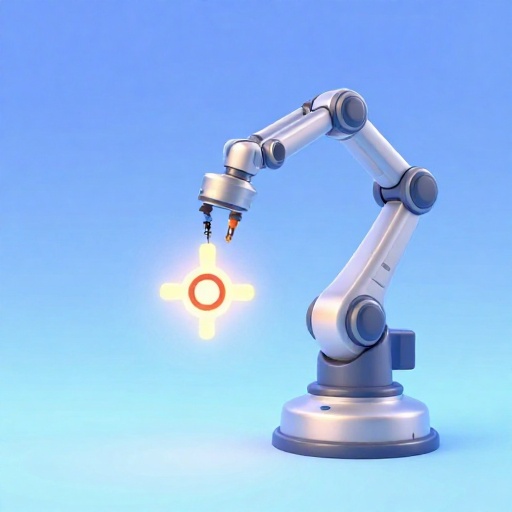
A vintage-looking industrial robot arm carefully lifting a heavy, glowing metal object in a factory setting.

The very first industrial robot used on an assembly line was called Unimate.

It started working way back in 1961 at a General Motors plant in New Jersey.

Unimate was a giant mechanical arm designed to do a job too dangerous for people: lifting heavy, hot pieces of metal from a die-casting machine.

Imagine a robot that weighs about 2,700 pounds- that's heavier than a small car!
2

Space Was First Visited By a Robot in 1957

TL;DR

The first robot in space was Sputnik 1, launched in 1957 to send back radio signals.

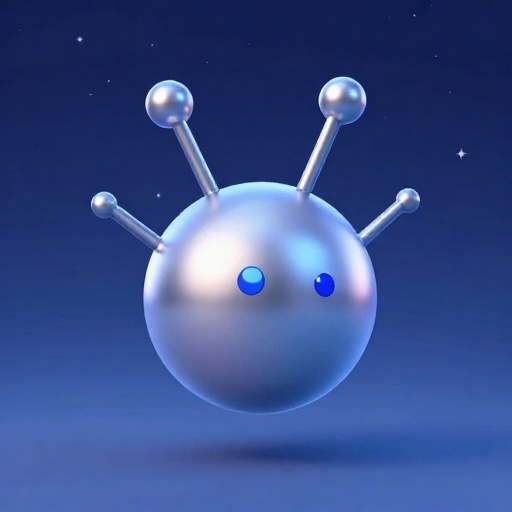
A simple, spherical satellite with four antennas floating in space.

Humans didn't send the first robot to space- the Soviet Union did!

It was a satellite called Sputnik 1, launched on October 4, 1957.

Sputnik 1 was a simple, polished metal sphere about 58 cm (23 inches) in diameter with four long antennas.

Its job was just to broadcast radio pulses so scientists could study the upper atmosphere.

3

Robots Have Explored More Worlds Than Humans

TL;DR

Robots have landed on the Moon, Mars, Venus, and even sent probes past Jupiter!

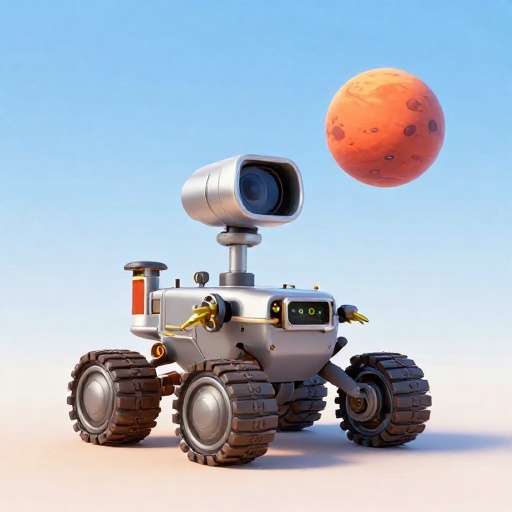
A cartoon Mars rover driving on a red, dusty surface, looking toward the planet Mars.

While humans have only walked on the Moon, robotic explorers have visited multiple worlds!

Rovers like Lunokhod 1 landed on the Moon in 1970, and others have driven on Mars.

Robotic probes have also been sent to fly by Venus and even Jupiter.

The Voyager 1 and 2 probes, launched in 1977, have actually left our solar system!

4

The Biggest Humanoid Robot is 18 Meters Tall!

TL;DR

The massive Gundam robot, based on an anime design, stands 18 meters tall and weighs 25 tons.

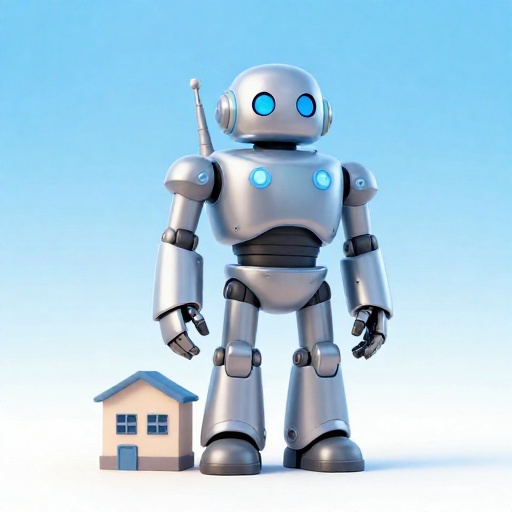
A giant, colorful humanoid robot standing next to a small building for scale.

Forget small helpers- some robots are HUGE! The largest mobile humanoid robot built is Gundam.

It stands a staggering 18 meters tall. That is taller than a six-story building!

This amazing machine, based on a famous Japanese anime design, was completed around 2020.

It weighs about 25 tons- that’s the weight of about 12 large cars all stacked up!

5

AI is Trained on Data Trillions of Words Big

TL;DR

Today's best AI systems learn from datasets sometimes containing hundreds of trillions of words.

A glowing, abstract AI brain shape absorbing a massive amount of digital text data.

Artificial Intelligence, or AI, learns by reading massive amounts of text and looking at pictures- we call this 'training data'.

The biggest, smartest AI models today use training datasets that can contain up to hundreds of trillions of words.

That is so much information- it’s like every book in every library in the world, many, many times over!

This huge amount of data helps the AI learn to talk, write, and even code like a human.

6

The First True Automaton Was Playing Music in 1737

TL;DR

The first successfully built biomechanical automaton was 'The Flute Player' in 1737.

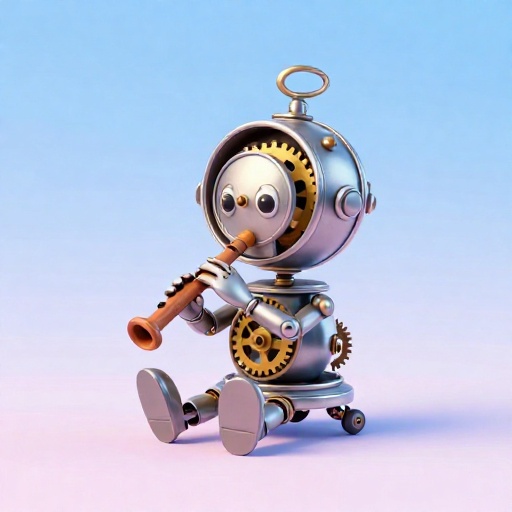
An antique clockwork automaton playing a flute with visible gears.

Long before electricity powered robots, people built amazing mechanical ones called automata.

The first one that truly worked and played music was called The Flute Player, built in 1737 by Jacques de Vaucanson.

This robot could actually play twelve different songs on a real flute!

It was powered by complex mechanical parts, not wires or batteries, making it a masterpiece of old-school engineering.

7

Robots Can Perform Surgery with Superhuman Precision

TL;DR

The da Vinci system became the first operative surgical robot in the US in 2000.

A delicate, multi-armed surgical robot performing a precise task.

Robots aren't just for factories- they are doctors, too! This is called robotic surgery.

The da Vinci Surgical System got approval in the United States in 2000 to perform complex surgeries.

It helps surgeons work with incredible precision, controlling tiny robotic arms that don't shake one bit.

This precision means smaller cuts and faster healing for people who need operations!

8

The First Industrial Robot Weighs as Much as 12 Cars

TL;DR

Unimate, the first industrial robot, weighed about 2,700 pounds (around 1.2 tons).

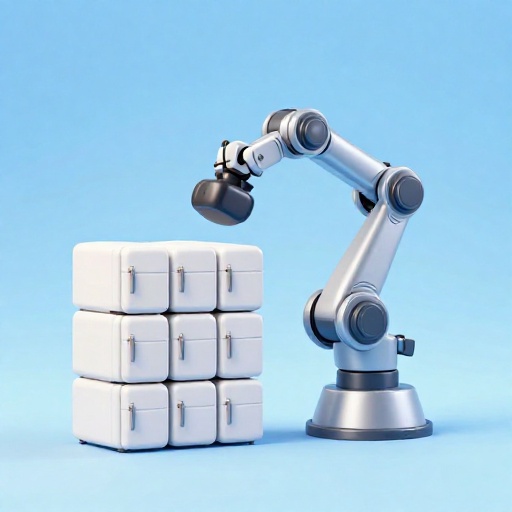
An industrial robot arm next to a stack of twelve cartoon refrigerators.

We talked about Unimate being heavy, but let's compare it!

The Unimate robot, which started in 1961, weighed roughly 2,700 pounds.

That is about the same weight as 12 average-sized refrigerators stacked on top of each other.

For a machine designed to lift hot metal, being super sturdy and heavy was a major feature for kids to know!

9

Honda's ASIMO Could Walk Nearly 1.7 Meters Per Second

TL;DR

Honda's famous ASIMO robot could walk at speeds up to 1.67 m/s, or about 3.7 mph.

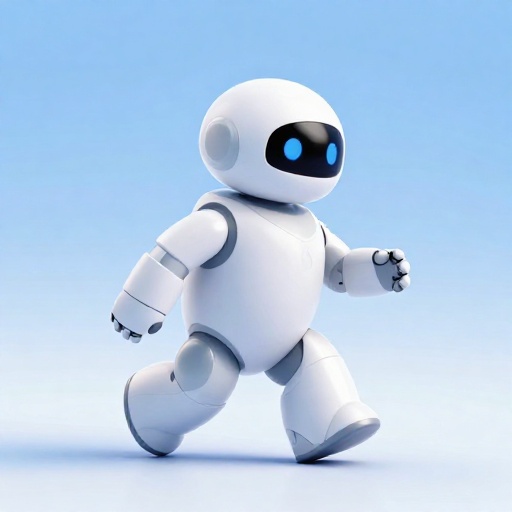
A sleek, white humanoid robot walking quickly.

One of the most famous walking robots was ASIMO from Honda, introduced in 2000.

ASIMO could walk at a top speed of 1.67 meters per second (about 3.7 miles per hour).

This is faster than many grown-ups walk, and it could even run a little bit!

It stood 130 cm (4 feet, 3 inches) tall- just about the height of a 9-year-old kid!

10

A Robot Has Driven Over 35 Kilometers on Mars

TL;DR

NASA's Curiosity rover has driven 35.97 km on Mars as of September 2025.

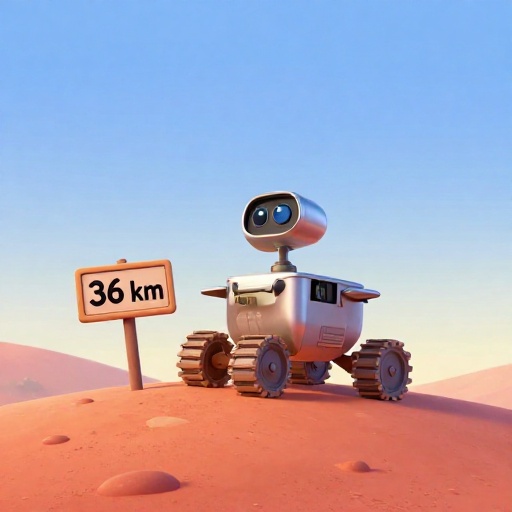
A cheerful Mars rover next to a distance marker showing 36 kilometers.

The Curiosity rover on Mars is an amazing explorer- it doesn't get tired!

As of September 27, 2025, it had traveled a distance of 35.97 kilometers (that's 22.35 miles) across the red planet.

Imagine walking over 22 miles through rough, dusty terrain- that is what Curiosity has done!

It's all to study the rocks and look for clues that Mars once had the right conditions for life.

Frequently Asked Questions

What is the difference between a robot and AI?

A robot is a physical machine that can move and do tasks in the real world. AI (Artificial Intelligence) is the 'brain' or the computer program that tells the robot what to do. You can have AI without a robot, but a smart robot needs AI!

Are robots going to take ALL the jobs?

Robots are super good at repeating the same boring or dangerous tasks, like welding cars or drilling on Mars. While they do change jobs, studies show they often help humans work better and faster, creating new kinds of jobs that need human creativity!

What was the very first 'robot' ever made?

It depends on what you mean! The word 'robot' is from a 1920 play, but true mechanical toys called automata date back to ancient Greece and China, like mechanical birds or the **1737** Flute Player.

How smart is the AI in a self-driving car?

Self-driving car AI uses powerful deep learning to look at video, radar, and map data instantly. It needs to process all that information super fast to safely decide when to stop or turn, making split-second decisions humans can't always match.

Power Up Your Future!

See? Robots aren't just science fiction anymore- they are history in the making! Every day, engineers and scientists like the ones who built Sputnik 1 or Curiosity are building the next amazing machine. Keep asking big questions, keep learning about how things work, and maybe you will design the world's next super-smart robot helper!

Explore More Facts
Audience Debug