10 Fun Facts

Samurai Facts for Kids

Get ready to level up your knowledge, because we’re diving deep into the world of the Samurai—the legendary warriors of Japan! These weren't just guys with cool swords; they lived by a super-strict code, wore unbelievable armor, and shaped history for centuries. Forget boring history lessons; we're exploring the most awesome, specific, and jaw-dropping details of the Samurai way of life right now!

1

The Katana Blade Was Often Shorter Than Your Arm!

TL;DR

The average katana blade (nagasa) was about 27.6 inches long, perfect for two hands.
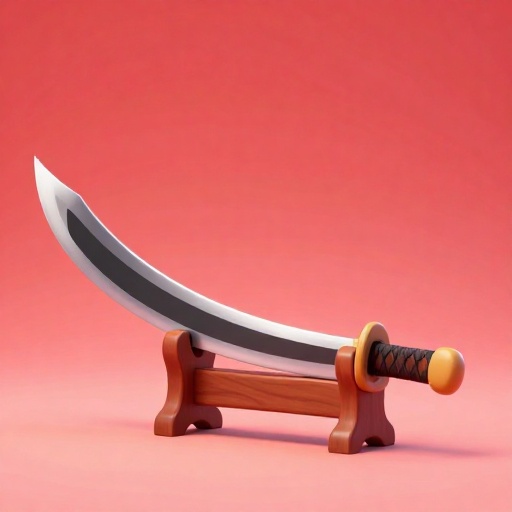
A cartoon illustration of a curved samurai katana blade.

While katanas look HUGE in movies, the average blade length, called nagasa, was typically 60 to 80 centimeters (about 24 to 32 inches).

This size meant the sword was perfectly balanced for a two-handed grip—not too long to swing indoors, but long enough for serious cutting power.

If a blade went over 90 centimeters (about 35 inches), it wasn't a normal katana; it was a special, extra-long sword called an ōdachi!
2

The Oldest Armor Weighed as Much as a Grown Man!

TL;DR

The early Oyoroi armor could weigh up to 65 pounds, the weight of an average adult man!

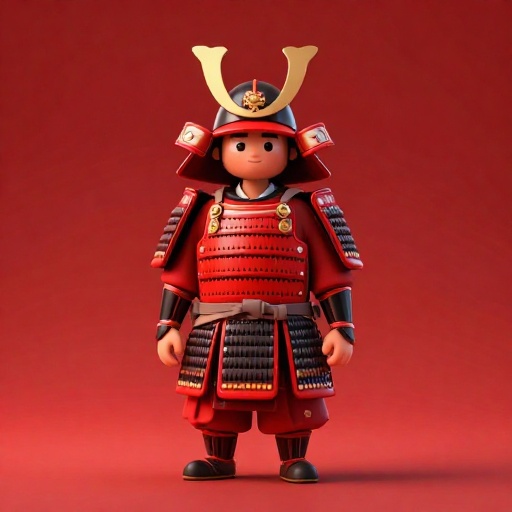
A cartoon illustration of a heavy, old-style samurai suit of armor.

The earliest Ō-yoroi armor, designed for samurai on horseback, was seriously heavy, sometimes weighing around 30 kilograms (or 65 pounds).

That’s like wearing a fully grown, super-strong person on your shoulders all day! It was made mostly of iron plates laced together.

Later, lighter armor like the Tosei Gusoku was developed, weighing closer to 15 kg (about 33 lbs), because the samurai needed to fight more often on foot.

3

Bushido Has Seven Core Virtues You Can Use Today!

TL;DR

The warrior code, Bushido, focused on seven key ideas like Justice, Courage, and Loyalty.

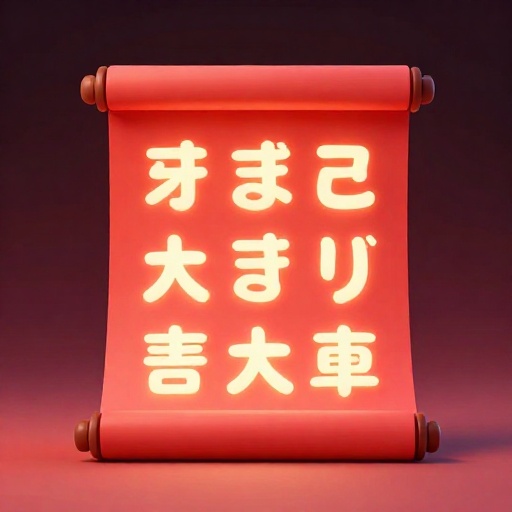
A cartoon illustration of a scroll showing seven glowing Japanese symbols for the virtues of Bushido.

The famous Samurai code is called Bushidō, meaning 'The Way of the Warrior,' and it was heavily influenced by Zen Buddhism.

While there were many versions, one popular idea lists seven key virtues: Justice (Gi), Courage (), Compassion (Jin), Respect (Rei), Honesty (Makoto), Honor (Meiyō), and Loyalty (Chūgi).

The Samurai believed that being a good warrior meant sticking to these moral rules, not just being a great fighter!

4

Samurai Were NOT Ninja—They Were Total Opposites!

TL;DR

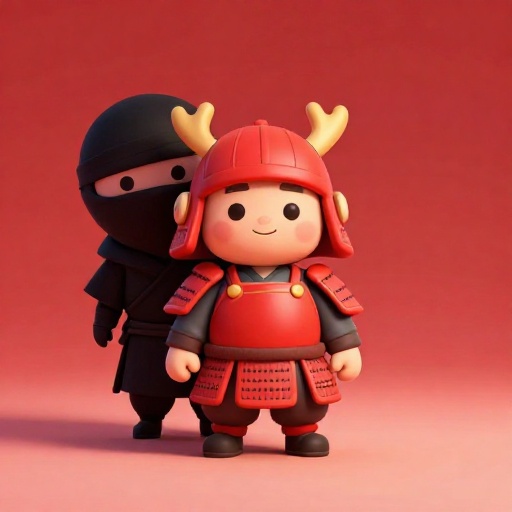
Samurai were noble soldiers who fought face-to-face; Ninjas were sneaky mercenaries who specialized in spy work.

A cartoon illustration contrasting a proud Samurai and a shadowy Ninja.

If you picture a Ninja throwing stars and sneaking in the dark, you are thinking of a Shinobi, not a Samurai!

Samurai were noble class soldiers who followed the strict Bushido code and preferred an honorable, face-to-face battle.

Ninjas were often from lower classes, hired for secret missions like espionage and assassination, doing things the honorable Samurai would never consider.

5

The Shogun Ruled Japan for Almost 700 Years!

TL;DR

After overthrowing the Emperor in 1185, the military government led by the Shogun lasted for nearly 7 centuries!

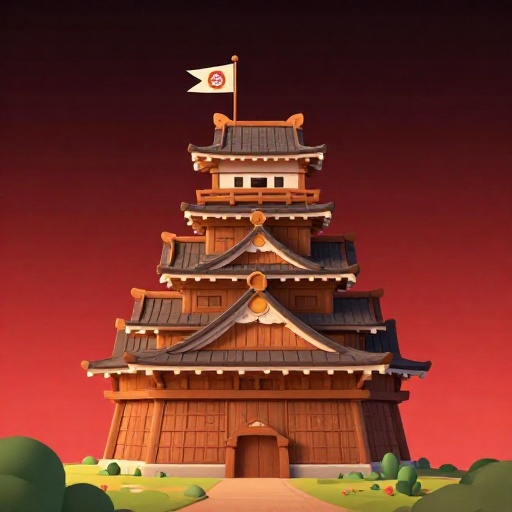
A cartoon illustration of a large, stylized Japanese castle flying a military banner.

The Samurai weren't always in charge of the Emperor; they rose to true power when they established a military government led by a Shogun starting around 1185.

This system—where military leaders ran the country instead of the royal court—lasted for an incredible stretch of time, nearly 700 years, until 1868.

This long period is often called the Feudal Era, where the Samurai were the ruling military class!

6

The Sharpest Katanas Were Harder Than Modern Swords!

TL;DR

A top katana blade could reach 60-70 HRC hardness, making it much harder than many European swords!

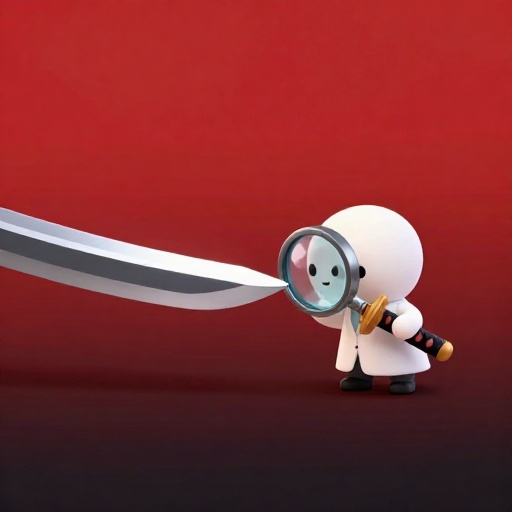
A cartoon illustration showing a close-up on a very sharp katana edge under a magnifying glass.

You might think a katana’s job was just to slice clean through anything, but its real genius was durability! A high-quality blade could reach 60 to 70 HRC on the Rockwell Hardness Scale.

This made the edge incredibly hard, allowing it to slice through tough materials with minimal resistance, though they still couldn't easily cut metal armor.

European swords often measured around 50 to 60 HRC, meaning the Samurai blade was uniquely balanced for both extreme sharpness and necessary toughness!

7

The End of the Samurai Came Because of a Ship!

TL;DR

Modern firearms, brought when the US forced Japan to open trade in 1853, made the Samurai's skills obsolete.

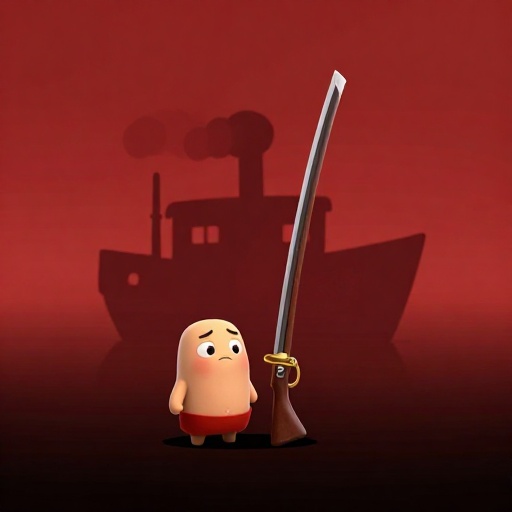
A cartoon illustration showing a small musket next to a large katana, signaling the end of the samurai era.

The Samurai era didn't end with a huge final battle; it ended because of modern technology!

When the United States forced Japan to open its borders to trade in 1853, modern firearms—which are way easier to learn than a sword or bow—showed that the Samurai's specialized training wasn't needed anymore.

This led to the Meiji Restoration and, by 1876, the Samurai's special class rights were completely abolished!

8

They Actually Had an Elite Black Samurai!

TL;DR

A non-Japanese man named Yasuke served as a bodyguard to the powerful warlord Oda Nobunaga.

A cartoon illustration of the famous African samurai, Yasuke, serving his lord.

Believe it or not, one of Japan’s most famous warriors wasn't Japanese at all! His name was Yasuke.

He was an African man, likely from Mozambique, who was brought to Japan around 1579 and served directly under the famous warlord Oda Nobunaga.

Nobunaga was so impressed by Yasuke's height and strength that he made him a retainer and bodyguard—a real-life Black Samurai!

9

The Biggest Castle Had Over 1,000 Firing Holes!

TL;DR

Himeji Castle, the largest surviving samurai castle, features about 1,000 loopholes for firing weapons.

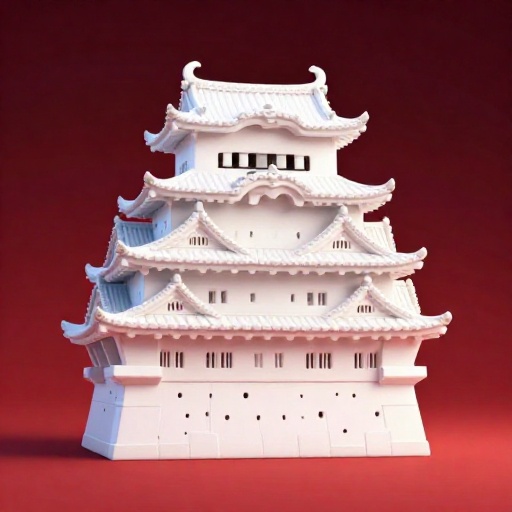
A cartoon illustration of the towering white Himeji Castle with many small firing holes visible.

The biggest and best-preserved Samurai castle is Himeji Castle, nicknamed the 'White Heron Castle' because it looks like a giant white bird taking flight.

This massive fortress has an incredible 92 meters (302 feet) height from the ground to the top of the main tower!

To defend it, the castle walls are covered with roughly 1,000 specialized holes, or sama, shaped like circles, triangles, and squares, so archers and gunmen could shoot out without being hit!

10

Up to 10% of Japan Were Once Samurai!

TL;DR

At the peak of the warrior class, nearly one in ten people in Japan belonged to the samurai caste.

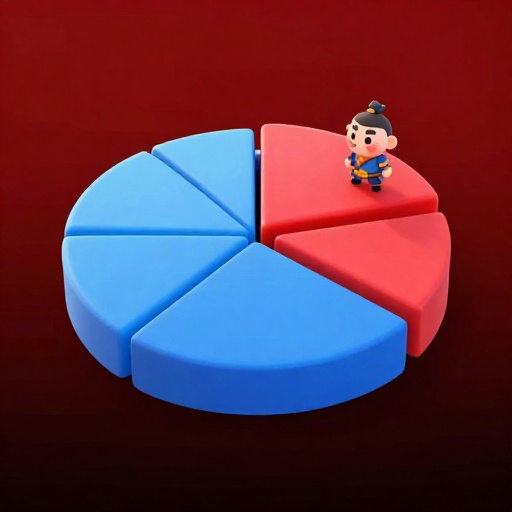
A cartoon illustration of a pie chart showing that one-tenth of the population were Samurai.

During the long, peaceful Tokugawa Period (1603–1868), the Samurai became the ruling class, and they were a huge part of the population.

It’s estimated that 5% to 10% of the entire Japanese population belonged to the samurai caste—that means nearly one in every ten people you met was a highly-trained warrior!

Because so many people were Samurai, many Japanese people alive today can actually trace their family lineage back to this warrior class.

Frequently Asked Questions

Were Samurai always fighting each other?

No, not always! During the long, peaceful Edo Period (1603–1868), many samurai were actually bureaucrats, teachers, or administrators instead of active warriors.

Why did Samurai carry two swords?

They usually carried the long *katana* and a shorter companion sword called a *wakizashi*. This pair was called the *daishō*, and only the samurai were allowed to wear them!

Did Ninja and Samurai get along?

Definitely not! Samurai followed a strict code of honor (Bushido), while Ninjas used stealth and deception, which the honorable samurai often looked down upon.

How much rice did a Samurai earn?

A Samurai's salary was measured in *koku* of rice, which was the main form of money. They were paid in rice stipends by their lord until the system ended in the 1870s.

Your Quest for Knowledge Continues!

Whoa, we covered so much ground—from the weight of their iron plates to the strict rules that guided their lives! The Samurai were complex heroes and thinkers, not just fighters. Now that you know these mind-blowing facts, go explore more of Japanese history and see where the spirit of Bushido lives on today!

Explore More Facts
Audience Debug