10 Fun Facts

Shark Facts for Kids

Forget what you think you know about sharks! These incredible ocean navigators aren't just big scary fish; they are ancient, complex survivors with senses that make human technology look like a crayon drawing. We're diving deep into the real, wild, and often hilarious truth about sharks—from giants that weighed 94 tons to their secret superpower! Get ready for 10 facts that will make you a shark expert!

1

The Megalodon Was an 80-Foot Ocean Tank

TL;DR

The extinct Megalodon could reach nearly 80 feet long and weigh up to 94 tons!
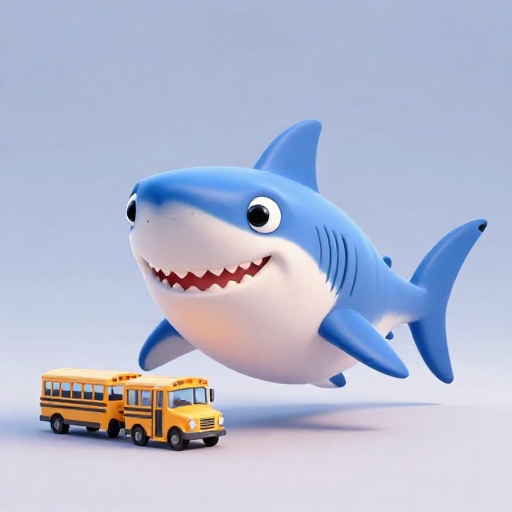
A giant cartoon Megalodon shark swimming next to two school buses to show its enormous size.

Prepare for a shock: the Megalodon was the largest predator to ever swim, ruling the seas about 23 to 3.6 million years ago.

Scientists now estimate they could grow up to 80 feet long—that's longer than two big yellow school buses parked end-to-end!

This massive fish could weigh as much as 94 tons (that’s 188,000 pounds). To put that in perspective, it would take about 42 Great White Sharks just to equal the weight of one Megalodon!

Their teeth were huge too, sometimes reaching 1.5 feet in length. That’s bigger than your whole hand!
2

Sharks Have a Lifelong, Endless Supply of Teeth

TL;DR

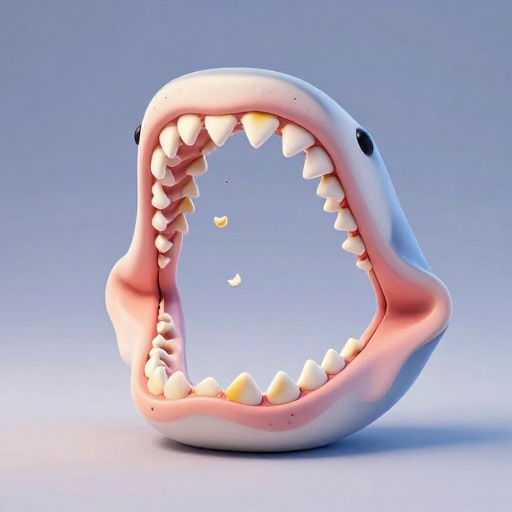
Sharks can go through over 30,000 teeth in their lifetime thanks to conveyor belt jaws!

A close-up of a shark's jaw showing rows of conveyor-belt style teeth replacement.

Humans get two sets of teeth, but sharks are on a continuous replacement plan! They have many rows of teeth, and when the front ones fall out, a new one rolls forward like a conveyor belt.

Some species, like the Lemon Shark, are calculated to shed more than 30,000 teeth over their entire lives—that's more teeth than you have hairs on your head!

Young sharks can even lose and replace a tooth about once a week! You would never lose a tooth and have a brand new, sharp one ready the next day!

This helps them stay sharp hunters forever, as their teeth are not anchored by roots like ours are.

3

The Gentle Giant Whale Shark Weighs 21.5 Tonnes

TL;DR

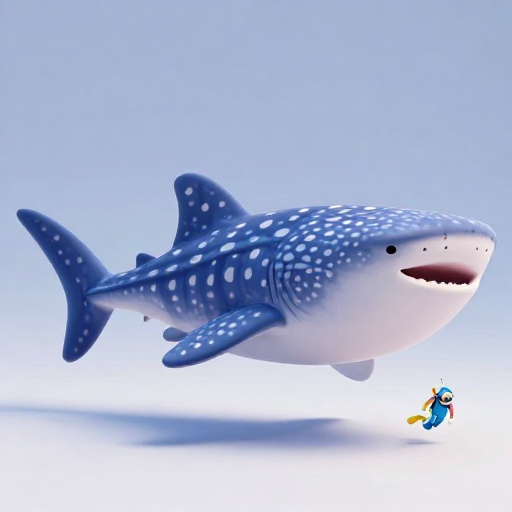
The largest fish, the Whale Shark, can weigh up to 47,000 pounds and eats tiny plankton!

A gentle, spotted cartoon Whale Shark swimming next to a tiny diver to show its massive size.

Meet the Whale Shark—the biggest fish alive today! While it has the word 'whale' in its name, it’s a shark, and it is huge.

Confirmed individuals can reach 41 feet in length and weigh up to 47,000 pounds or 21.5 tonnes.

Imagine a creature this big eating almost nothing but microscopic, floating plants and animals called plankton!

They are gentle filter-feeders that can move over 6,000 liters of water per hour through their giant mouths to catch their tiny meals for kids.

4

Great Whites Are Partially Warm-Blooded!

TL;DR

Great White Sharks can warm up their bodies using a special circulatory system!

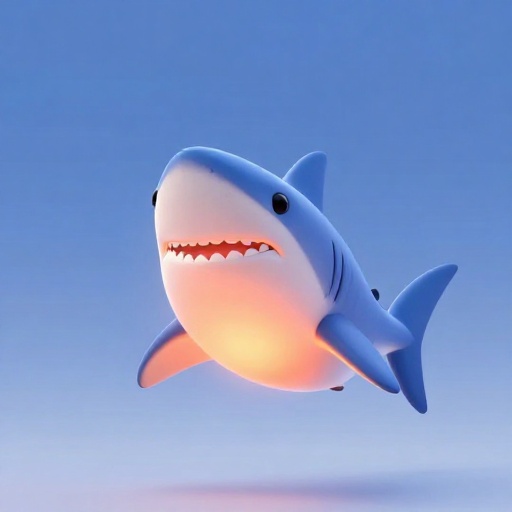
A Great White Shark with a warm glow in its core to show it is partially warm-blooded.

Most fish are cold-blooded, meaning their body temperature matches the water around them. But Great Whites are different—they are regionally endothermic.

This means they have a special system in their muscles that generates and conserves heat, keeping their critical parts warmer than the ocean around them.

This adaptation lets them hunt in colder waters where other predators might be too slow or sluggish to keep up with them!

This feature makes them faster and more active than strictly cold-blooded fish.

5

Sharks Can Smell a Drop in an Olympic Pool

TL;DR

Their sense of smell is so good they can detect scent molecules diluted one part in 10 billion!

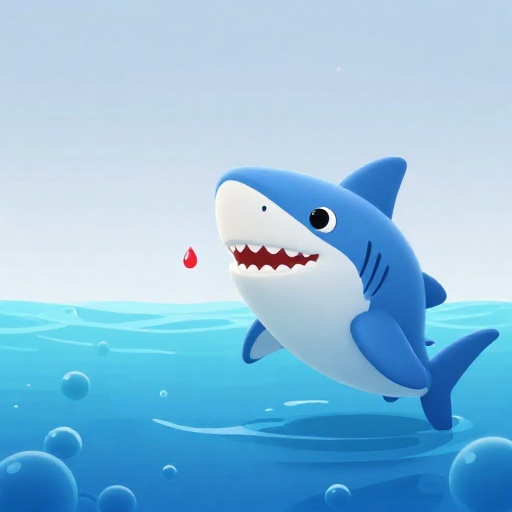
A shark sniffing a tiny red drop in a huge expanse of water to illustrate its strong sense of smell.

Forget needing a big splash! A shark’s nose is an incredible tool that can detect scent molecules in the water as diluted as one part in 10 billion.

If you put one drop of blood into a water-filled Olympic-sized swimming pool, a shark could potentially smell it!

When a big plume of scent, like from a large bleeding fish, is circulating in a current, they can trace it from as far as a quarter mile away.

This amazing ability helps them find food even when visibility is terrible.

6

The Greenland Shark Lives for 500 Years!

TL;DR

The Greenland Shark is the longest-living vertebrate, with some swimming for up to 500 years.

An ancient-looking cartoon Greenland Shark swimming slowly, representing its extremely long lifespan.

Hold on to your snorkel: the Greenland Shark is the longest-living animal with a backbone (vertebrate) on Earth!

Scientists estimate some have lived for up to 500 years—meaning the oldest ones were alive before the United States was even a country!

They grow incredibly slowly, maybe only one centimeter per year.

They don't even become adults until they are around 150 years old—you'd be in middle school forever!

7

Sharks Detect Electricity with 'Sixth Sense' Pores

TL;DR

They have over 1,000 Ampullae of Lorenzini to sense the tiny electrical fields of prey.

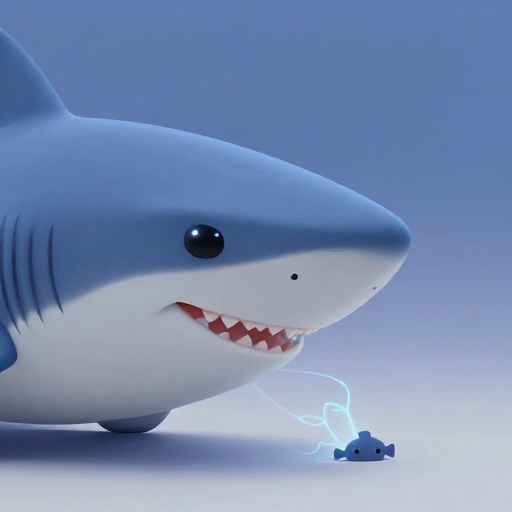
A cartoon shark head with glowing blue spots showing its electroreception sensors.

This is super cool science! Sharks don't just see and smell; they can sense electricity using special organs called Ampullae of Lorenzini.

These are tiny, jelly-filled pores, often numbering over 1,000 on their head, that detect the weak electrical fields created by the muscle movements of hidden prey.

It’s like having a built-in metal detector, but for living things!

It helps them find fish hiding under the sand or even detect a paralyzed animal that can't swim away.

8

Great Whites Can Sprint at 35 MPH!

TL;DR

Their top speed is about 35 mph (56 kph) in short bursts, much faster than most humans!

A cartoon Great White Shark swimming at super-speed, looking very fast and powerful.

When a Great White decides to catch a fast-moving seal, they can turn on the turbo-boost!

Their cruising speed is around 3 mph, but they can sprint in short bursts up to 35 mph (or 56 km/h).

That's about 10 times faster than a typical human can swim in a pool!

They use this amazing burst of speed for surprise attacks from below.

9

Their Liver is a Giant Buoyancy Balloon

TL;DR

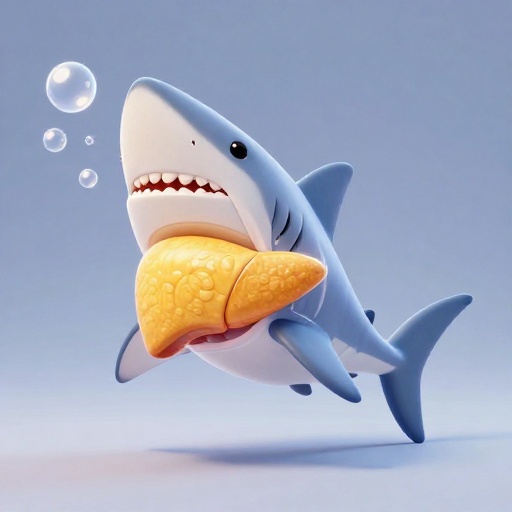
A shark’s massive, oily liver can make up over 25% of its entire body weight!

A transparent cartoon shark showing its enormous, oily liver acting as a flotation device.

Unlike bony fish that use a gas-filled swim bladder to float, sharks use oil! Their liver is massive, taking up over a quarter of their total body weight.

This liver is packed with low-density oil called squalene, which is lighter than water.

This giant, oily organ acts like a built-in life vest, helping them stay afloat and saving energy so they don't have to constantly swim just to avoid sinking.

It also helps store energy for long trips!

10

Most Sharks Are Not Interested in Humans

TL;DR

Out of over 500 species, only three cause the majority of human-related incidents.

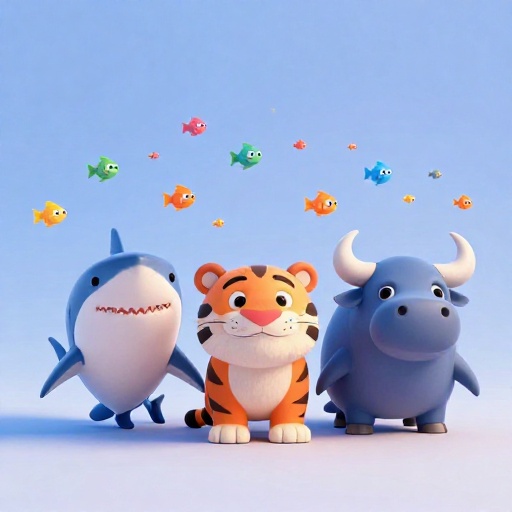
Three cartoon sharks looking slightly apologetic while surrounded by many happy, swimming fish.

It’s true that sharks are incredible predators, but you are way safer in the ocean than you think! Out of more than 500 shark species, only three cause the majority of unprovoked bites on humans.

Globally, there are only about 80 unprovoked attacks reported each year.

That's an incredibly small number when you think about how many people are swimming, surfing, and playing in the ocean every single day!

Sharks usually bite because they are curious or confused, not because they see us as a main meal.

Frequently Asked Questions

How big is a Great White Shark, really?

The largest confirmed Great White Sharks are about **21 feet** long and can weigh over **5,000 pounds**! That's bigger than a small car, but most are usually smaller.

Why are shark attacks so rare?

Only **three** shark species cause most unprovoked bites, and globally, only about **80** happen each year. Humans are simply not on their preferred menu, which is mostly seals and fish.

Do sharks ever swim backward?

Nope! Sharks can’t swim backward because their pectoral fins—the ones on the side—are stiff and can't move in reverse. They have to keep moving forward to stay stable!

How old are sharks?

Some sharks are super ancient! The Greenland Shark can live up to **500 years**, making them the longest-living vertebrates known. Most other species don't live *quite* that long, but they are still very old fish!

Keep Exploring the Deep!

See? Sharks are way more than just villains in a movie! They are masters of evolution with superpowers like electric sense and internal heating systems. Which fact blew your mind the most? Keep learning, keep wondering, and remember: the ocean is full of unbelievable secrets just waiting for an explorer like you to discover them!

Explore More Facts
Audience Debug