10 Fun Facts

Snake Facts for Kids

Get ready for a slithery adventure! Snakes might look mysterious, but they are some of the coolest creatures on Earth. Forget the scary stories you’ve heard—we’re busting myths and diving into the amazing science behind these legless wonders. You’re about to discover why snakes are way more incredible than you ever imagined!

1

They Have More Teeth Than You Have Fingers and Toes Combined!

TL;DR

Some snakes can have over 200 teeth!
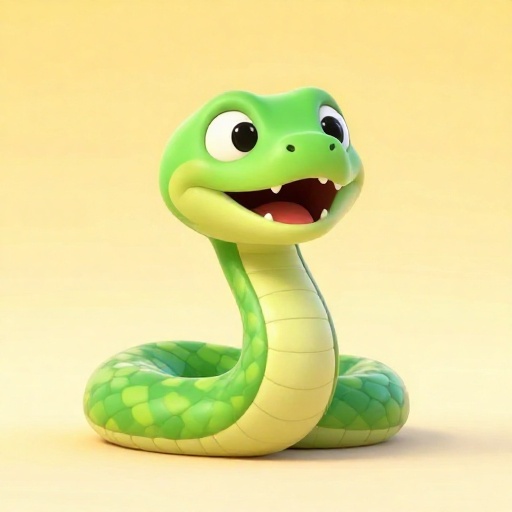
Cartoon boa constrictor showing its many tiny teeth.

You might think snakes only have a couple of big fangs, but many species have a jaw packed with tiny, sharp teeth.

A Boa Constrictor can have up to 200 teeth! That's more than four times the number of fingers and toes on your body!

These teeth aren't for chewing; they all curve backward to grip slippery prey and pull it down their throat whole. It's a built-in, one-way trap for dinner!

2

The World's Longest Snake Was Longer Than Two Cars Parked End-to-End!

TL;DR

The longest recorded snake measured 32 feet, 9.5 inches!

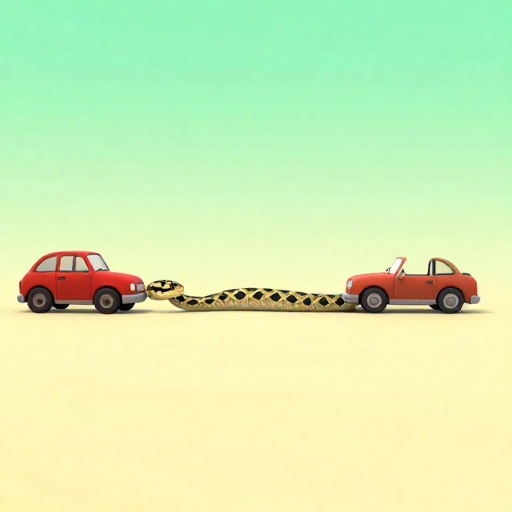
Cartoon reticulated python being measured against two small cars to show its extreme length.

The longest snake ever officially recorded was a Reticulated Python found way back in 1912.

It stretched a mind-blowing 32 feet, 9.5 inches long. That’s almost as long as a school bus!

This makes it much longer than the Green Anaconda, which is the heaviest but usually maxes out around 30 feet.

3

They Have a Secret Sixth Sense for Heat!

TL;DR

Pit vipers use special facial pits to 'see' the heat of warm-blooded prey.

Cartoon rattlesnake using its facial pits to detect heat signatures in the dark.

Some snakes, like rattlesnakes (which are pit vipers), have super-cool 'pits' located between their eye and nostril.

These aren't just dents-they are super sensitive infrared sensors! They allow the snake to detect heat signatures from meters away.

This means they can hunt warm, fuzzy mice perfectly, even in total, pitch-black darkness!

4

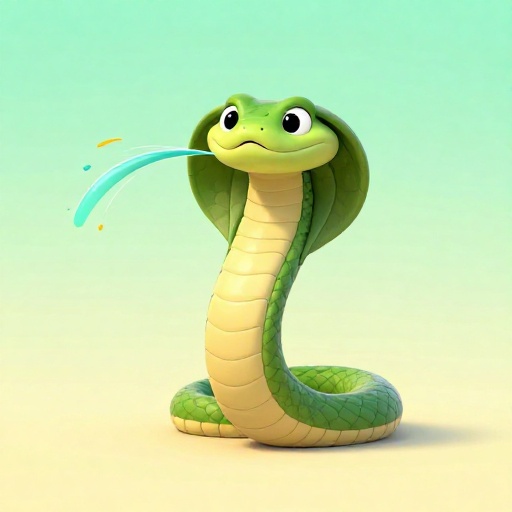
Cobras Can Aim Their Defensive Spray Up to 8 Feet!

TL;DR

Spitting cobras squeeze their venom glands to shoot toxins toward your face!

Cartoon spitting cobra spraying a stream of liquid defense mechanism.

When a spitting cobra feels cornered, it doesn't need to bite to defend itself. It sprays!

The venom can travel up to 8 feet away, which is longer than most kids are tall!

They aim for the eyes because the venom is especially painful there and can cause temporary blindness if not washed out immediately.

5

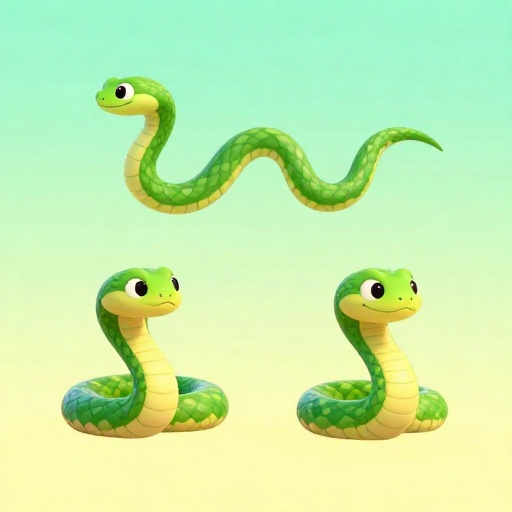
They Don't Actually 'Slither' Like You Think They Do!

TL;DR

Snakes use at least four different, specialized ways to move their bodies.

Cartoon illustration showing three different styles of snake movement like S-waves and concertina motion.

That wiggly motion you see is called lateral undulation, and it’s like an S-shaped wave moving down their body.

But for super-fast desert travel, some use sidewinding, where only two parts of the body touch the sand at once.

For tight spots, they use concertina motion, bracing their body like an accordion to pull themselves forward!

6

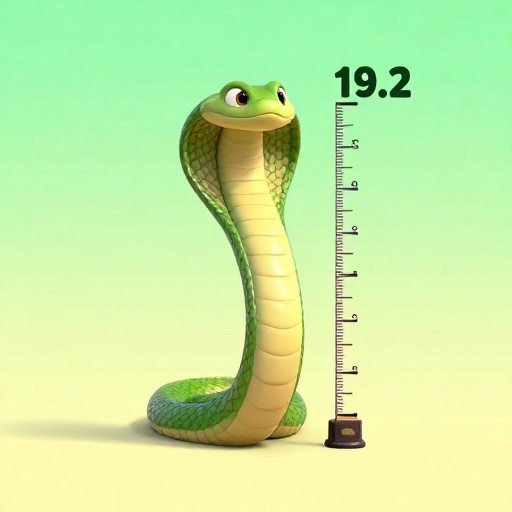
The Longest Venomous Snake is a King... Cobra!

TL;DR

The King Cobra can reach a record length of 19.2 feet (5.85 meters).

Cartoon King Cobra next to a measuring tape marking its 19.2-foot record length.

While pythons and anacondas win the length contest, the King Cobra is the champion for venomous snakes.

The longest one ever measured was an incredible 19.2 feet—that’s taller than a basketball hoop!

Even their average length is a huge 10 to 13 feet, making them the longest venomous snake in the world for kids to learn about.

7

Snakes are Constant Re-Growers: They Shed Their Entire Outfit!

TL;DR

Young snakes might shed their skin every 4 to 6 weeks!

Cartoon illustration of an old snake skin being shed to reveal a bright new snake skin underneath.

Snakes don't grow like we do, with skin stretching continuously. They must shed their entire outer layer—a process called ecdysis.

This happens so they can grow bigger, fix damaged scales, and get rid of tiny parasites clinging to them.

Baby and juvenile snakes grow super fast, so they might get a brand-new, shiny outfit every 4 to 6 weeks!

8

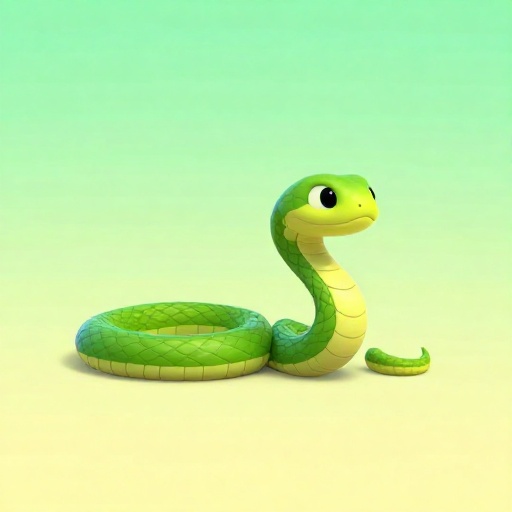
Some Are Super Slow Movers, But Still Sneaky!

TL;DR

Rectilinear movement is the slowest way a snake moves: 0.06 meters per second.

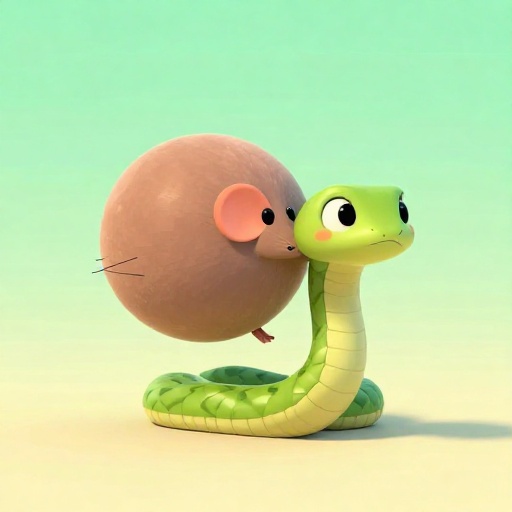
Cartoon snake slowly inching forward using rectilinear motion while carrying a large meal.

Not all snakes are speed racers! When they use rectilinear locomotion—moving like a caterpillar, lifting one section, then the next—they are super slow.

This method can be as slow as 0.06 meters per second, which is almost silent and very hard to spot!

They often use this when they are full from a huge meal or sneaking up on prey that won't run away fast.

9

The Heaviest Snake Can Weigh More Than a Grand Piano!

TL;DR

Green Anacondas can weigh over 300 kilograms (660 pounds) when fully fed!

Cartoon Green Anaconda next to a grand piano to illustrate its massive weight.

While Reticulated Pythons are the longest, the Green Anaconda is the world's heaviest snake.

The biggest ones can weigh over 300 kilograms (that's about 660 pounds) when they are very full!

That's the weight of a small car or a very, very big piano resting in the jungle rivers of South America.

10

The Oldest Snake Ever Lived to Be Over 60 Years Old!

TL;DR

The record for the oldest snake in captivity belongs to a Ball Python that lived 62 years.

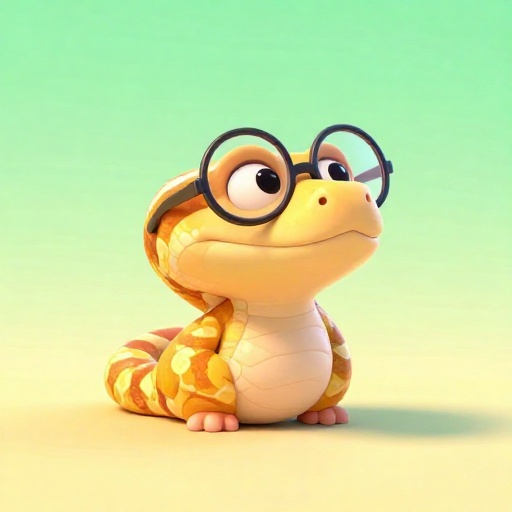
Wise cartoon Ball Python wearing glasses, symbolizing its 62-year lifespan.

Snakes can live a surprisingly long time if they have great care in a zoo or sanctuary!

The oldest snake ever recorded was a Ball Python who lived for a staggering 62 years—that's longer than most humans live!

This amazing reptile lived from 1947 until 2009, proving that some snakes are true senior adventurers.

Frequently Asked Questions

Are all snakes venomous or poisonous?

Snakes are **venomous**, not poisonous. Venom is injected (like a bite), while poison is bad if you touch or eat it. Most snakes are actually non-venomous constrictors!

Why do snakes shed their skin?

Their skin doesn't stretch as they grow, so they shed it to get bigger! It also helps them get rid of old scales and parasites.

What is the difference between a Python and a Cobra?

Pythons are typically non-venomous constrictors that kill by squeezing. Cobras are venomous snakes that use neurotoxins to subdue prey or defend themselves.

Can snakes smell with their tongues?

Sort of! They use their forked tongue to 'taste' the air, collecting scent particles. They then press the tongue tips against a special organ on the roof of their mouth to analyze the smells—it's how they 'smell' their world!

Ready to Slither Deeper into the Wild?

See? Snakes are way more fascinating than scary! From building nests to 'seeing' heat, these reptiles are masters of adaptation. Now that you know these 10 mind-blowing facts, you're ready to explore the rest of the wild kingdom with Kidopoly. Keep learning, keep questioning, and keep exploring!

Explore More Facts
Audience Debug