10 Fun Facts

Viking Facts for Kids

Get ready to ditch the boring history books, because we're setting sail with the Vikings! These weren't just axe-wielding raiders; they were incredible explorers, master builders, and storytellers. We're diving deep into real, specific numbers about their amazing lives, from their colossal ships to the myths they believed. Prepare to be amazed!

1

The Sail That Was as Big as a House

TL;DR

A Viking longship's main sail could be over 100 square meters!
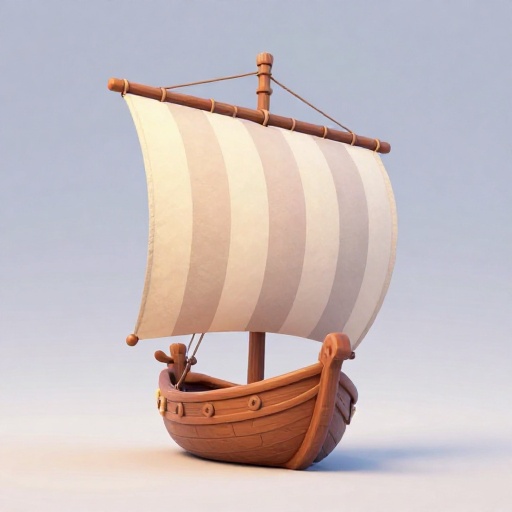
A cartoon illustration of a very large, square wool sail on a Viking longship mast.

Forget tiny triangles- a big Viking longship could sport a massive square sail, sometimes covering over 100 square meters! That's huge for a ship meant to be fast.

These sails were often made from rough, densely woven wool cloth (called vaðmál) or sometimes flax. Imagine weaving that much fabric just for one sail!

The mast holding this giant sail could be up to 13 meters (about 43 feet) tall! It had to be strong but removable, sitting right on the keel.

Because the sail was so big, it took many hands to raise and lower it safely when they needed to switch to rowing.
2

Leif Erikson Beat Columbus by Nearly 500 Years

TL;DR

Leif Erikson landed in North America around 1000 CE, centuries before Columbus.

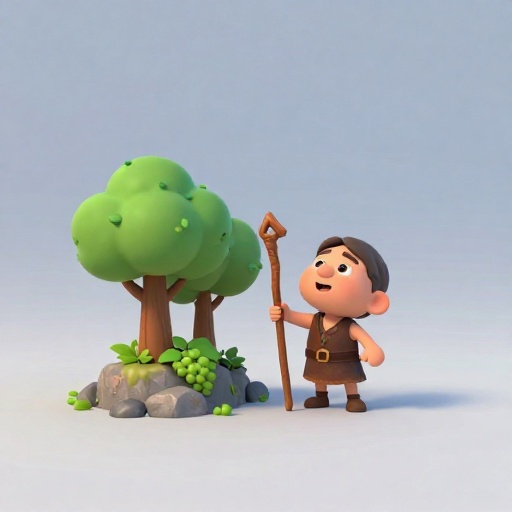
A cartoon Viking pointing at wild grapes on a North American shore.

While many learned about Columbus, the incredible Viking explorer Leif Erikson got there first! He likely set foot in North America around the year 1000 CE.

He named the places he explored: Helluland (Land of Flat Rocks, maybe Baffin Island), Markland (Forest Land, perhaps Labrador), and Vinland (Land of Wild Grapes, likely Newfoundland).

The settlement archeologists found in Newfoundland, L'Anse aux Meadows, dates to around 990–1050 CE—right when Leif was sailing!

His crew needed a tough ship for the 1,800-mile journey from Greenland, taking several days on the longest ocean stretches.

3

The Battle Axe Was Surprisingly Light

TL;DR

A huge two-handed Dane Axe might weigh only 1.2 kilograms!

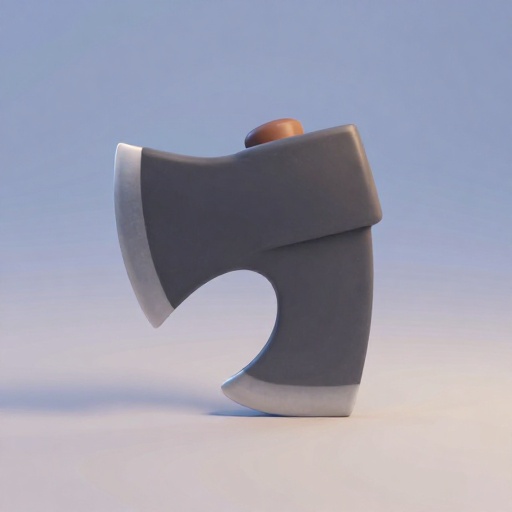
A cartoon illustration of a light, thin-bladed Viking battle axe head.

You might picture Vikings wielding giant, clunky axes, but many war axes were actually light and fast! A two-handed Dane Axe could weigh as little as 1.2 kilograms (about 2.6 pounds).

This lightweight design, with a very thin blade, made it easy to swing quickly and stop it from getting stuck in an enemy shield or bone.

Single-handed battle axes were even lighter, often weighing between 0.9 to 1.8 kilograms (2 to 4 pounds). They were balanced for speed, not just brute force.

This meant Vikings could be super agile fighters, using the curved blade to hook an opponent’s ankle to trip them!

4

The Viking Population Was Tiny Compared to Their Neighbors

TL;DR

In the 9th century, Scandinavia had about 1.1 million people, while France had over 7 million!

A cartoon illustration of a small, isolated Viking farm in a vast landscape.

The Vikings seemed everywhere, but their homelands were sparsely populated! Estimates suggest Scandinavia had about 1.1 million people combined across Denmark, Norway, and Sweden in the 9th century.

To put that in perspective, France had about 7.2 million people, and the Holy Roman Empire had over 11 million!

The main areas they lived in were small farms, and even their biggest towns like Birka or Hedeby only held a few thousand people total.

This lack of farmland might be one reason why so many energetic young people sought adventure and wealth overseas for kids to learn about!

5

They Used Silver Like Cash, Not Gold

TL;DR

Viking currency was based on the weight of silver, often from chopped-up coins.

A cartoon illustration of silver 'hack silver' pieces on a weighing scale.

The Vikings lived in a bullion economy, meaning the weight of the silver mattered more than what was stamped on it!

They got tons of silver coins called dirhams from places as far as Iraq through trade. These silver chunks were their go-to money.

If you needed to pay for something, you’d weigh out the silver—and if you were short? You’d use a knife to chop off a piece of a silver ring or coin! These pieces are called hack silver.

Gold was around, but silver was the real everyday money for most of their massive trade networks.

6

Some Runestones Are Taller Than You Are Tall!

TL;DR

The tallest known Viking Runestone, the Björketorp Stone, is 4.2 meters high.

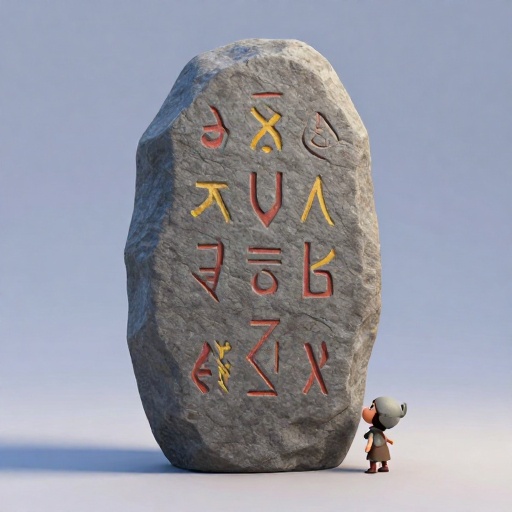
A cartoon illustration of a small child next to a very tall runestone covered in runes.

Vikings used runes, which were their alphabet, to carve messages on huge stones called runestones. They weren't just doodles- they were important memorials!

In Sweden alone, there are thousands, but one of the tallest, the Björketorp Runestone, stands at an amazing 4.2 meters (about 13.7 feet) tall!

That's taller than 14 kids stacked on top of each other! Imagine lifting that rock up to carve on it.

Many stones used the Younger Futhark script and often warned people not to break them, sometimes predicting 'insidious death' for anyone who dared!

7

They Weren't Giants, But Warriors Ate Better!

TL;DR

The average Viking man was about 5 feet 7 inches tall, but warriors were often taller due to better food.

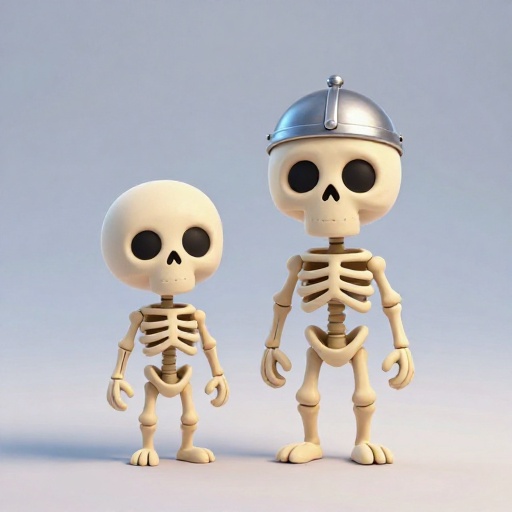
A cartoon illustration comparing two Viking skeletons, one slightly taller than the other.

Don't picture cartoon giants! The average Viking man was about 171 cm, or 5 feet 7 inches tall. That’s similar to many kids today!

However, skeletons buried with weapons were often 1 to 2 inches taller than others. Why?

It means the elite warriors, the ones who got the best food like more meat and dairy, grew taller and stronger than the average farmer.

So, while they weren't GIANTS, the best fighters were likely the best-fed members of their society!

8

They Ate 26 Kinds of Fish in One Trading Town!

TL;DR

Vikings loved fish, and one town recorded 26 different types being eaten!

A cartoon illustration of a platter with many different types of fish.

If you think your dinner is boring, listen to this! An Arabic traveler noted that people in the trading town of Hedeby ate fish from a selection of 26 different types!

Their diet was super high in protein, about 30–35% of what they ate, thanks to fish like herring, cod, and shellfish.

This protein-packed diet was much higher than their European neighbors, which probably helped keep them strong and energetic for those long voyages.

Herring was a favorite, full of good things like Omega-3 fatty acids.

9

They Had Real-Life Female Warriors!

TL;DR

DNA testing confirmed that the famous warrior grave at Birka, Sweden, belonged to a woman.

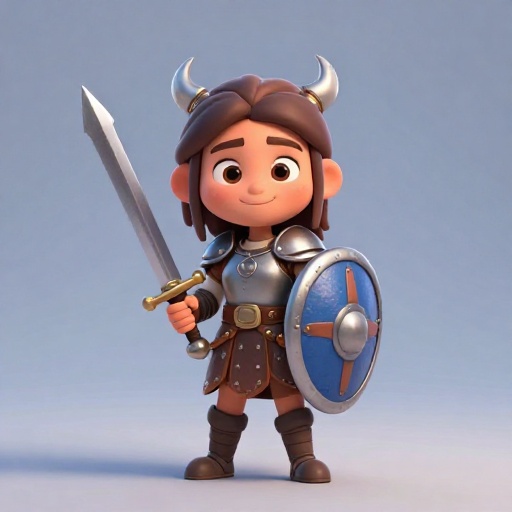
A cartoon illustration of a determined female Viking warrior.

Forget just thinking about shield-maidens in stories—science found proof! The famous, weapon-filled warrior grave in Birka, Sweden, from the mid-10th century, contained the remains of a woman.

She was buried with a full set of weapons, including a sword, armor-piercing arrows, and two horses. This proves women could be high-ranking military leaders!

The DNA showed two X chromosomes and no Y chromosome, ending the debate. This wasn't a Valkyrie, but a real-life military officer!

This incredible discovery shows us that the Viking world was sometimes more open to women in power than other places at the time.

10

Their Cities Were Tiny by Modern Standards

TL;DR

By the 9th century, major Viking towns had a combined population of only 3,000–5,000 people.

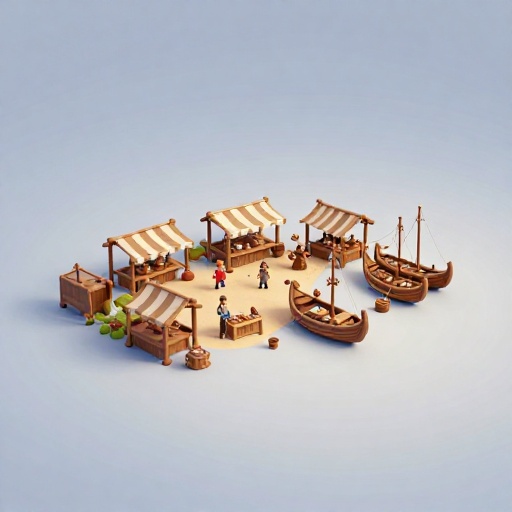
A cartoon illustration of a small, busy Viking trading town next to a harbor.

When Vikings raided big European cities, those places had tens of thousands of people! But the Viking towns themselves were small trading posts.

In the 9th century, major hubs like Ribe, Hedeby, and Birka together held only about 3,000 to 5,000 people.

That means a big Viking 'city' might have had fewer people than your school times 10! Most people lived on farms, not in big crowds.

This small urban population shows their strength was on the water, not in massive, crowded cities like we see today.

Frequently Asked Questions

Did Vikings really wear horned helmets?

Nope! That's a myth from opera costumes. There is **zero** archaeological evidence of Vikings wearing horns into battle. They wanted to look scary, but horns would just get caught on things!

How did they make their silver so pure?

They often melted down raided or traded silver coins, like Arabic **dirhams**. Some silver in hoards was extremely pure, up to **99.47% pure** silver, but it varied a lot!

What happened to the Viking Age?

It didn't end with one big bang! It faded as Scandinavian kingdoms became more organized and Christian. The year **1066** is often used because King Harald Hardrada died, ending a major attempt to re-establish Viking rule in England.

Were Vikings dirty?

Absolutely not! Eye-witness accounts suggest they were surprisingly **hygienic** for the time. They frequently combed their hair, bathed regularly, and had personal grooming tools!

Ready to Explore More?

See? The Vikings were way more interesting than just horns and shields! They were mathematicians, engineers, explorers, and leaders. Now that you know these incredible secrets, what part of the Viking world are you going to explore next—the sagas, the ships, or the incredible trade routes?

Explore More Facts
Audience Debug