10 Fun Facts

Volcano Facts for Kids

Get ready to explore the planet's most fiery, rumbling giants-volcanoes! These aren't just mountains that spit fire-they are massive, powerful wonders that shape our world. We're diving deep into the bubbling, exploding secrets of Earth's crust, so grab your imaginary hard hat because we have 10 mind-blowing facts that will make you see every mountain differently!

1

The Tallest Volcano is Taller Than Everest!

TL;DR

Mauna Loa is the world's largest active volcano by volume, rising over 30,000 feet from base to summit.
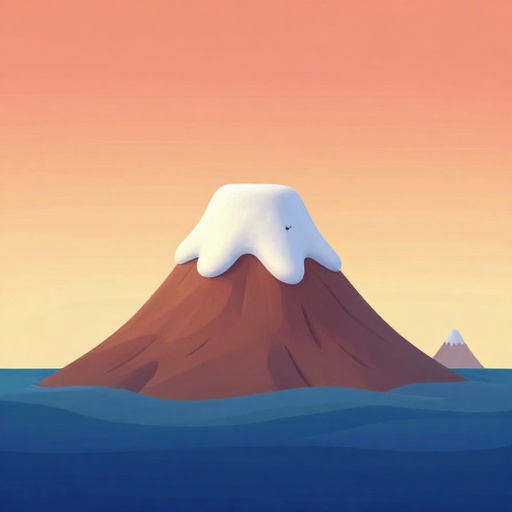
A cartoon comparison showing the massive base of a Hawaiian shield volcano towering over a smaller Mount Everest.

You probably think Mount Everest is the world's tallest mountain-but this is actually tricky!

While Everest is the highest point above sea level at 29,029 feet, the shield volcano Mauna Loa in Hawaii is 30,085 feet tall when measured from its base on the ocean floor to its peak.

That makes Mauna Loa about 1,000 feet taller than Everest! Most of this giant is hiding underwater.
2

Magma is the Name, Lava is the Game

TL;DR

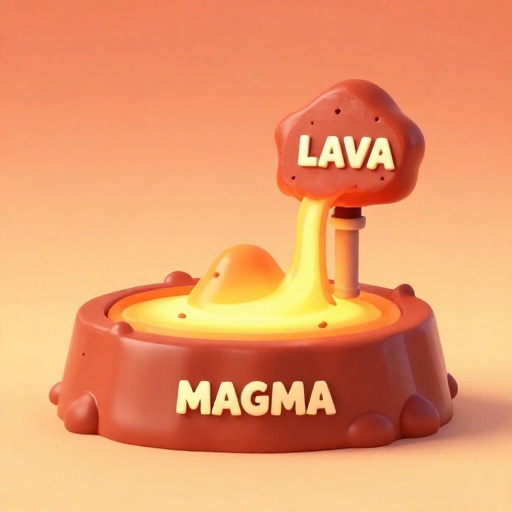
Magma is hot rock inside the Earth; once it erupts, it becomes lava!

Diagram showing molten rock labeled magma underground turning into lava when it erupts onto the surface.

The confusion is over-we have two names for the same awesome stuff!

When the melted rock is trapped underground, like deep in a secret chamber, we call it magma.

The second it bursts out of a vent onto the Earth's surface, it gets a new name: lava! It's the same liquid rock, just at a different address.

3

Lava Can Be Hotter Than a Kiln!

TL;DR

Molten lava reaches temperatures up to 1,200 °C (2,200 °F).

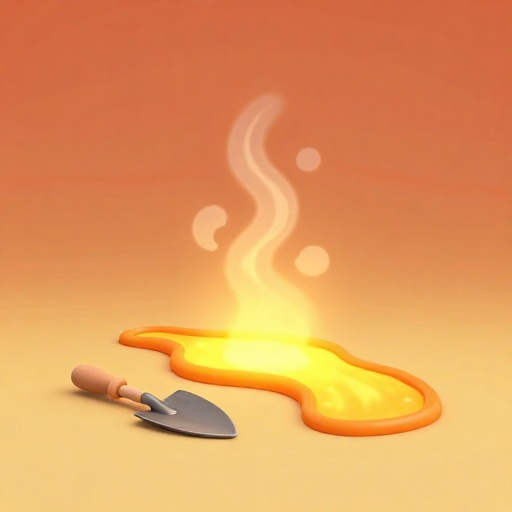
A cartoon river of extremely hot, bright yellow lava flowing next to a normal garden tool for temperature comparison.

How hot are we talking? Lava temperatures range from about 700 to 1,200 °C (1,300 to 2,200 °F)!

That is way hotter than the hottest oven your parents might use, which might hit 260 °C (500 °F).

The hottest flowing lava, like basaltic lava in Hawaii, can be near 1,250 °C!

4

Pompeii Was Buried in a Deadly Gray Cloud

TL;DR

In 79 AD, Vesuvius buried Pompeii in deadly hot ashflows, not just lava.

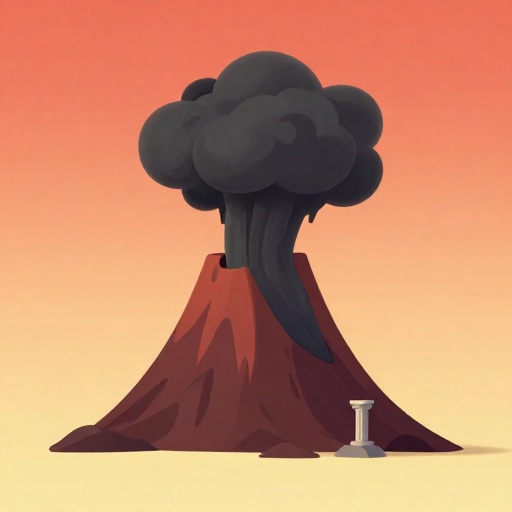
A cartoon drawing of a pyroclastic flow cloud rushing down the side of Mount Vesuvius over buried ancient ruins.

When Mount Vesuvius erupted in 79 AD, it didn't just pour lava; it unleashed a pyroclastic flow!

This was a super-fast, ground-hugging avalanche of hot gas, ash, and rock fragments that buried the city of Pompeii.

The eruption shot material up 33 km (21 miles) into the air before the deadly flows rushed down the slopes.

5

The Fastest Flows Break the Friction Barrier

TL;DR

Pyroclastic flows can rush down a volcano at speeds up to 160 km (100 miles) per hour.

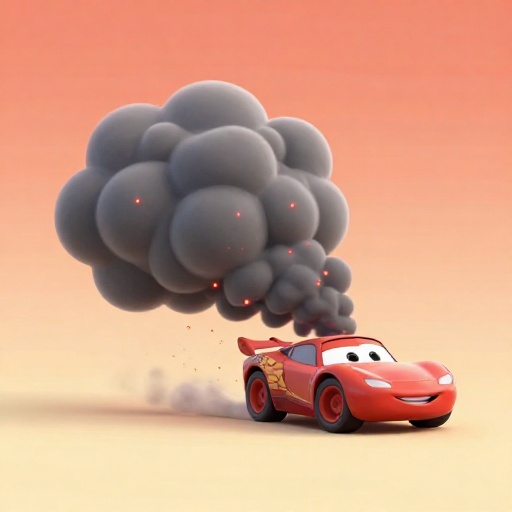
A cartoon pyroclastic flow outrunning a race car, illustrating its incredible speed.

Want to know how scary fast a pyroclastic flow is? They can travel at speeds of 160 km (100 miles) per hour!

That's faster than the top speed of most cars on the highway! Scientists found out they glide on a thin layer of gas they create themselves.

This air-lubrication layer lets the scorching hot mixture slide with almost zero friction.

6

The Ring of Fire Has Up To 915 Volcanoes!

TL;DR

The Ring of Fire is a 25,000-mile-long horseshoe that contains two-thirds of Earth's volcanoes.

A cartoon map showing the massive horseshoe shape of the Ring of Fire surrounding the Pacific Ocean with volcanoes dotted along it.

Imagine a giant horseshoe shape ringing the Pacific Ocean-that's the Ring of Fire!

This area is a hotspot for geological drama, housing between 750 and 915 active or dormant volcanoes.

It also causes about 90% of all the world's earthquakes-wow, that's a busy place for plate tectonics!

7

Yellowstone's Last Super-Blast Was 630,000 Years Ago

TL;DR

The Yellowstone supervolcano's last massive eruption created its famous caldera 630,000 years ago.

A cartoon representation of the huge, shallow Yellowstone caldera with geysers peacefully steaming.

The famous geysers of Yellowstone National Park sit on top of a supervolcano!

Its last supereruption happened about 630,000 years ago, creating a huge crater called a caldera that is 30 by 45 miles across.

Don't worry-the most recent activity was just a smaller lava flow about 70,000 years ago.

8

Shield Volcanoes are Giant, Gentle Slopes

TL;DR

Shield volcanoes are built by thousands of thin, flowing lava layers, making them very wide.

A cartoon shield volcano that is very wide and has shallow slopes with slow-moving lava.

Not all volcanoes are steep cones! Shield volcanoes look like a warrior’s shield lying on the ground.

They are built by very fluid lava that flows easily, spreading out over huge distances.

For example, Mauna Loa has slopes of only about 12 degrees at their steepest-that’s barely a hill compared to some mountains!

9

The Tallest Geyser Reached 449 Feet High!

TL;DR

Steamboat Geyser in Yellowstone erupted a record height of 137 meters (449 feet) in 2020.

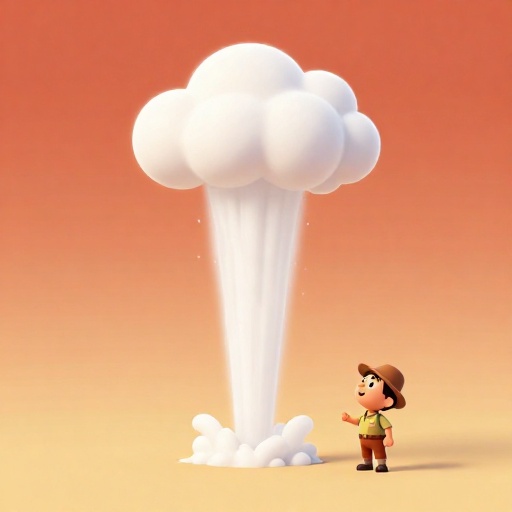
A cartoon geyser erupting a huge plume of water that is taller than a tall building.

Geysers are basically volcanoes that 'burp' hot water and steam, and the tallest one is Steamboat Geyser in Yellowstone!

Its biggest recorded eruption on July 19, 2020, shot water up a staggering 137 meters (449 feet).

That’s taller than a 40-story building! It erupts totally randomly, sometimes days apart, sometimes after 50 years!

10

Hawaii's Chain Has Over 129 Volcanoes!

TL;DR

The Hawaiian Islands are just the tips of a 3,800-mile-long underwater mountain chain.

A cartoon cross-section of the ocean showing islands sitting on top of a very long, glowing undersea mountain range.

The eight main Hawaiian Islands you see are just the visible tops of a chain with more than 129 volcanoes!

This massive Hawaiian Ridge-Emperor Seamounts chain stretches for about 6,100 km (3,800 miles) across the Pacific.

The volcanoes get older the further northwest you go-the oldest one is 81 million years old!

Frequently Asked Questions

What is the difference between magma and lava for kids?

Magma is the name for super-hot, melted rock when it is still deep inside the Earth. Once it erupts out of a volcano, it changes its name to lava. Think of it like a superhero changing into their costume!

How big is the Ring of Fire?

The Ring of Fire is a massive, horseshoe-shaped zone that stretches for about 25,000 miles, ringing almost the entire Pacific Ocean. It's where most of the world's earthquakes and many volcanoes are found because of moving tectonic plates.

What is a supervolcano like Yellowstone?

A supervolcano is a volcano that has erupted in the past with such incredible power that it caused worldwide changes! Yellowstone's last super-blast **630,000 years ago** was huge, but today it mostly just features geysers.

What is the hottest part of a volcano?

The lava erupting from the vent is extremely hot, sometimes reaching **1,250 °C (2,200 °F)** inside lava tubes. That's hot enough to melt metal!

Keep Exploring the Earth's Fiery Heart!

See? Volcanoes are way more than just fire mountains; they are huge underground engines that build new land and blast steam miles high! Now you know the facts that even some grown-ups miss. Keep looking up and digging deep, because the next amazing discovery in Earth Science is waiting for you!

Explore More Facts
Audience Debug