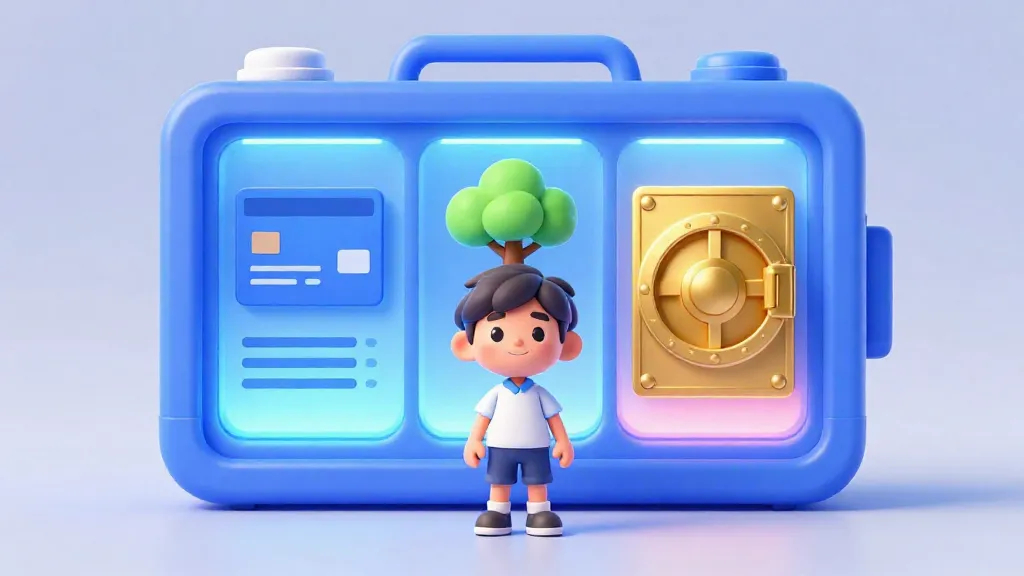
Would you try to eat soup with a fork or cut a piece of paper with a hammer?
Of course not! You need the right tool for the job. Banks work the same way because they offer different bank accounts designed for different tasks. Whether you want to buy a snack today or save for a gaming console next year, understanding your banking options is like getting a superpower for your pocket money.
Imagine walking into a workshop filled with tools. You wouldn't use a saw to bang in a nail, and you wouldn't use a screwdriver to measure a wall. Bank accounts are exactly the same. Each type of account is built to do one specific thing really well.
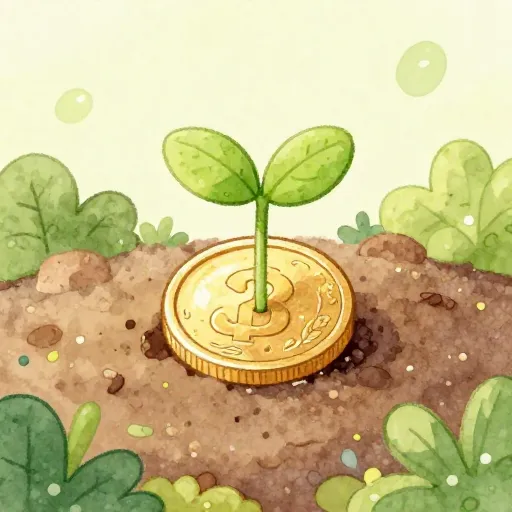
Imagine you have $50. If you keep it all in your pocket, it stays as $50. But if you put it in a savings account, the bank might give you an extra $2 every year just for keeping it there. It is like your money is having little money-babies!
Some accounts are made for money you want to spend right now, like buying a comic book or a treat after school. Others are built to keep your money safe and help it grow bigger over time. When you understand the different types, you can make sure your money is always in the best place to work hard for you.
The 'Right Now' Tool: Current Accounts
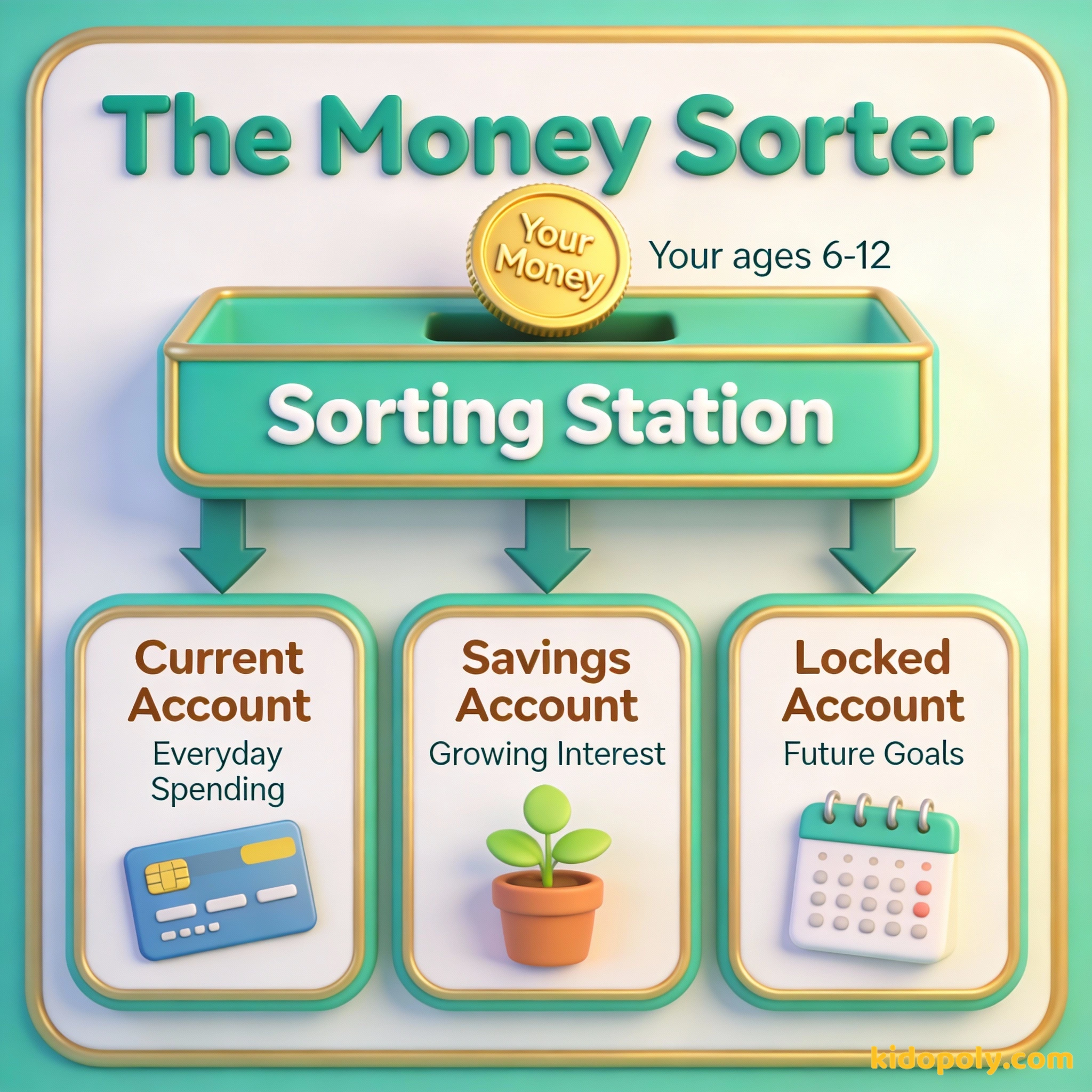
A current account (often called a checking account in the US) is like the wallet in your pocket, but digital. It is the most common type of account because it is designed for your everyday spending.

Finn says:
"So if I use my debit card for a snack, that money comes straight out of my current account? It's like a digital disappearing act!"
Most current accounts for kids come with a debit card. This card lets you pay for things in shops or withdraw cash from an ATM. Because these accounts are for moving money in and out quickly, they usually pay very little or no interest. They are best for money you plan to spend within the next few weeks.
Do not save what is left after spending, but spend what is left after saving.
The 'Grow Later' Tool: Savings Accounts
If the current account is a wallet, a savings account is like a high-tech piggy bank. This is where you put money that you don't plan to spend right away. Banks love it when you keep money with them for a long time, so they reward you by paying interest.
Let's compare two tools: Current Account: $100 saved + 0% interest = $100 after one year. Savings Account: $100 saved + 5% interest = $105 after one year. That $5 difference might seem small, but what if you had $1,000? That is $50 for doing absolutely nothing!
Savings accounts are perfect for big goals, like a new bike or a holiday fund. While you can usually take your money out whenever you want, some accounts might limit how many times you can do that each month. This helps you resist the urge to spend your savings on small things! To learn more about how these work, you can check out our page on savings-accounts-for-kids.
The 'Super Vault': Fixed-Term and Notice Accounts
Sometimes, you might have money that you know you won't need for a long, long time. In this case, you might use a fixed-term account or a notice account. These are like the heavy-duty vaults of the banking world.
- Fixed-Term Accounts: You agree to leave your money in the bank for a set time, like one or two years.
- Notice Accounts: You have to tell the bank a certain number of days in advance (like 30 or 90 days) before you can take your money out.

Mira says:
"Locking money away in a notice account is like planting a seed in a greenhouse. You can't touch it for a while, but it grows much faster because it's protected!"
Why would anyone want to lock their money away? Because banks usually pay much higher interest rates for these accounts. It is a trade: you give up the ability to spend the money today, and the bank gives you more extra money in return. This is a great way to learn about how how-banks-work to reward patient savers.

Money makes money. And the money that money makes, makes money.
Specialized Tools: JISAs, 529s, and Custodial Accounts
There are also special accounts that adults often set up for kids. These are often called tax-advantaged accounts because the government helps you keep more of your money. In the UK, these are called Junior ISAs (Individual Savings Accounts), and in the US, you might hear about 529 plans or custodial accounts.
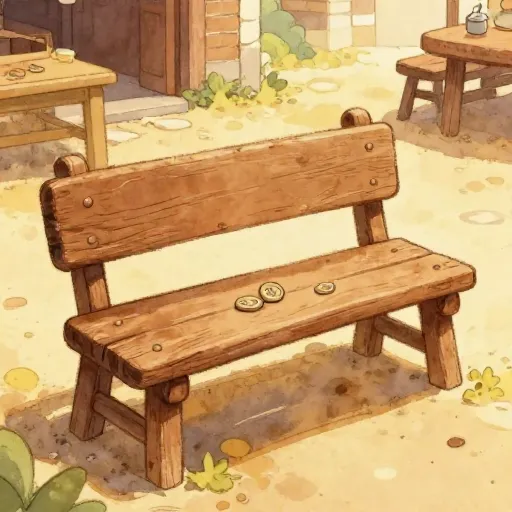
The word 'bank' comes from the Italian word 'banca', which means bench. Hundreds of years ago, people who traded money would sit on benches in the marketplace to do their business!
These accounts are usually for the 'Big Future,' like going to university or buying a first car. Often, the money in these accounts belongs to you, but you can't touch it until you turn 18. It might feel like a long time away, but starting early gives that money years and years to grow.
The 'Training Wheels': Prepaid Cards
If you aren't quite ready for a full bank account yet, you might use a prepaid account. These are very popular for younger kids. A parent loads a specific amount of money onto a card, and you can only spend what is there.
Finn says:
"A prepaid card sounds like a video game health bar. Once it hits zero, you're out until you find a 'refill' station!"
It is a great way to practice using a card without the risk of spending more than you have. Many of these accounts come with cool apps that help you track your spending and set goals. You can find more about these in our guide to kids-bank-accounts.
A big part of financial freedom is having your heart and mind free from worry about the what-ifs of life.
Building Your Own System
Did you know you don't have to pick just one? Most people use several accounts at the same time to organize their lives. A great way to start is the 'Three Account System'. You can have one account for spending, one for saving, and even a third for giving to charity.
Keeping all your money in a current account makes it very easy to spend on things you want right now.
Splitting your money across different accounts helps you reach big goals and earn interest, even if it takes more effort.
Your Banking Journey
Using different accounts helps you see exactly where your money is and what it's doing. It turns money from a confusing pile of numbers into a clear plan for your future. Now that you know the tools in the toolbox, you can start deciding which ones you want to use first!
Something to Think About
If you could open a new bank account today, what would you name it and what would its 'job' be?
There are no right or wrong answers here. Some kids might want a 'New Bike Fund' while others might want a 'World Travel Account'. Your bank accounts should reflect what you care about!
Questions About Banking
Can I have more than one bank account?
Which bank account is best for a 12-year-old?
What is the difference between a current account and a savings account?
Ready to Pick Your Tools?
Now that you know the different types of bank accounts, you are ready to start building your own financial workshop. Talk to your parents about which 'tools' you already have and which ones you might want to add to your collection next. Your future self will thank you for it!
