
Imagine checking your bank account and seeing money that you put there through your own hard work.
Starting your first job is a massive milestone that transforms you from a consumer into a producer. It involves understanding employment laws, mastering the application process, and learning how to manage your very first paycheque.
Your first payslip says £180 but you only got £156 in your account. Welcome to tax. Your first shift lasted 4 hours but it might have felt like 12. Welcome to work.
Your first purchase with money you actually earned yourself will feel different from anything you have ever bought before. It represents your time, your effort, and your growing independence. Getting a job is the ultimate level-up in the game of life.

In many places, you need a 'work permit' from your school or local council before you can start. This is just a way for the adults to double-check that your job won't hurt your grades!
When Can You Start?
Before you print off a dozen copies of your CV, you need to know the rules. Employment laws exist to make sure that work doesn't get in the way of your education or your health. In the UK, the youngest you can work part-time is usually 13, except for things like acting or modeling.
At 13 and 14, you are limited to 'light work.' This means jobs that aren't dangerous and won't make you too tired for school. Once you reach 15 or 16, the variety of jobs opens up, but there are still strict limits on how many hours you can work each week.

Finn says:
"Wait, if I'm only 14, does that mean I can't work in a busy kitchen with all the sharp knives and fire? Probably for the best, honestly!"
In the United States, Federal Law (specifically the FLSA) generally sets 14 as the minimum age for most non-agricultural work. Like the UK, the US has strict rules about how late you can stay at work on a school night. No matter where you live, your most important job right now is still being a student.

The most important investment you can make is in yourself.
Finding the Right Gig
Your first job does not have to be your dream career. It is a place to learn soft skills like showing up on time, talking to adults, and solving problems. Common first jobs for 13 and 14 year olds include paper rounds, dog walking, or helping out at a local farm or cafe.
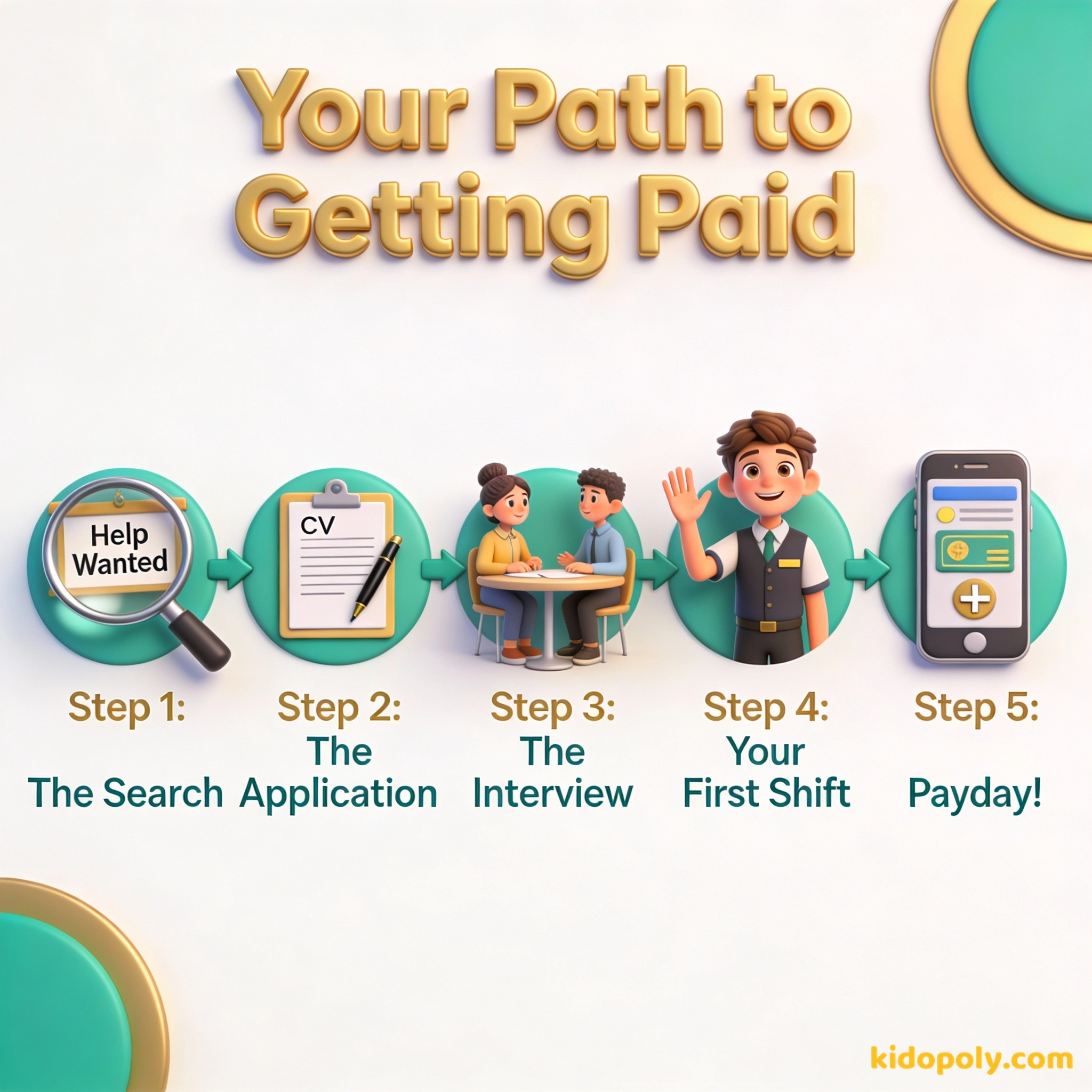
By 15 and 16, you can often find work in retail shops, fast-food restaurants, or as a lifeguard at the local pool. The best place to start looking is right in your neighborhood. Look for 'Help Wanted' signs in shop windows or ask your older friends where they work.
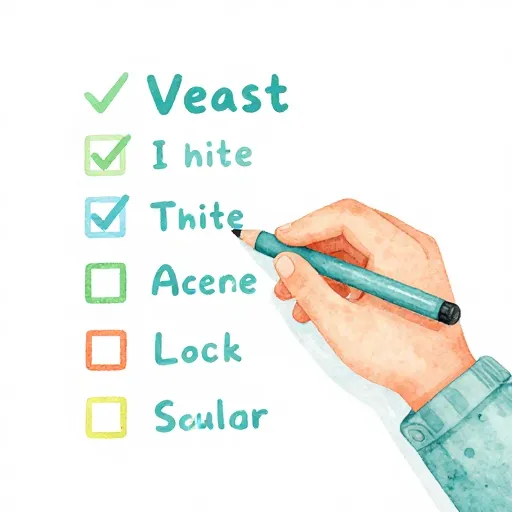
Create a 'skills list.' Even if you've never had a job, write down things you're good at. Are you great at Minecraft (teamwork)? Do you help at home (responsibility)? Are you on a sports team (discipline)? These all count!
How to Get Hired
To get the job, you need a simple CV or resume. Since you might not have work experience yet, focus on your 'human' stats. Include your school, any clubs you belong to, and a short personal statement about why you are reliable and eager to learn.
When you get called for an interview, don't panic. The manager isn't looking for a CEO: they are looking for someone who is polite, dresses neatly, and listens well. Practice answering basic questions like 'Why do you want to work here?' or 'When are you available?'
The First Week Frights
Walking into your first shift can feel like the first day of a new school. You might worry about dropping a tray, pressing the wrong button on the till, or forgetting a customer's order. Here is a secret: everyone messes up on their first week.

Mira says:
"Think of your first job like the tutorial level of a game. You're learning the controls so that later on, you can take on much bigger quests!"
Your goal for the first week is to be a sponge. Watch how the experienced staff do things, ask plenty of questions, and always be ready to help. Most managers value a positive attitude much more than someone who already knows everything but doesn't want to work hard.

Imagine it is Friday afternoon. You've finished your first full week. You're tired, but you have a physical payslip in your hand. That paper is proof that you provided value to the world. How does that feel?
Understanding Your Pay
Payday is the best day of the month, but it can also be confusing. You will see two different numbers on your payslip: Gross Pay and Net Pay. Gross pay is the total amount you earned based on your hourly rate, while net pay is what actually hits your bank account.

Diligence is the mother of good luck.
In the UK, if you earn over a certain amount, money is taken out for Income Tax and National Insurance. Even if you don't earn enough to pay tax yet, your payslip might still show these categories. It is important to check that you are being paid at least the National Minimum Wage for your age group.
Let's look at a £100 (or $100) paycheque using the 50-30-20 rule: - £50 for Needs (Essentials) - £30 for Wants (Fun stuff) - £20 for Savings (The future) If you save £20 every month starting at age 14, you'll have nearly £500 saved by the time you turn 16!
Managing Your New Wealth
When that first big chunk of money arrives, the temptation to spend it all at once is huge. To stay in control, try the 50-30-20 rule. This is a simple framework for dividing your money so you can enjoy it now and still have some for later.
- 50% for Needs: This is for things you must pay for, like your phone bill or bus fare to get to work.
- 30% for Wants: This is your fun money for cinema trips, new clothes, or games. Check out our guide on budgeting-for-teens for more ideas.
- 20% for Savings: Put this into a separate account for big future goals.
Finn says:
"So if I use the 50-30-20 rule, I'm basically paying my 'Future Self' 20% of my check? I hope my future self buys me something cool!"
Knowing Your Rights
Being a young worker doesn't mean you have fewer rights. You are entitled to rest breaks: usually 30 minutes if you work more than 4.5 hours. You also have a right to a safe environment where you are treated with respect.
If you ever feel unsafe or if you aren't being paid what you were promised, talk to a parent or a trusted adult. A job should be a way to gain confidence and cash, not a source of constant stress. Balancing work and school is a skill you will refine over time.
Work is about more than just a paycheck: it is about building your future self.
Big chain stores usually have very clear training programs and strict rules, which can make you feel safer when you are starting out.
Small local shops often have more flexible hours and a 'family' feel, which might be less intimidating for your very first gig.
Something to Think About
If you could pick any first job purely for the experience (not the money), what would it be and why?
There is no right answer here. Some people want to learn how to cook, others want to learn how to talk to people, and some just want to be outdoors. Your choice reflects what you value right now.
Questions About Earning & Pocket Money
What is the minimum wage for a 14 year old?
How many hours can I work while I'm in school?
Do I need to pay tax on my first job?
Your Journey Starts Here
Getting your first job is like opening a door to a whole new world. You are learning how to be responsible, how to manage your time, and most importantly, how to manage your own money. If you want to see how to make that money go even further, head over to our guide on pocket-money-teenagers or start planning your first budget.
