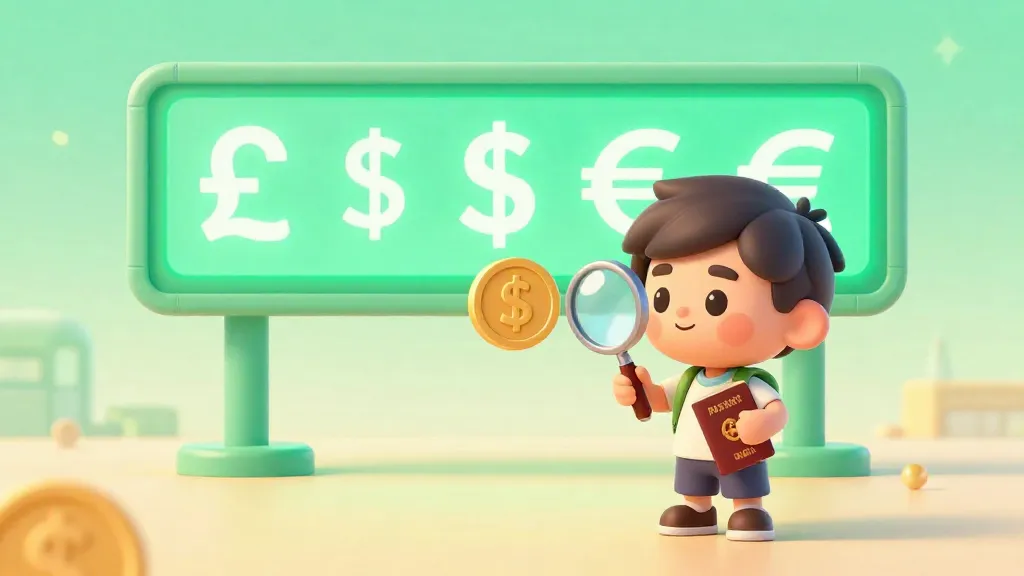
Imagine you want to buy a cool new game from an American website. The price tag says $12.50. You look at your savings and see you have £10.00. Is that enough? Or do you need more?
To solve this puzzle, you need to understand the Exchange Rate. This is essentially the 'price' of one country's Currency when compared to another. It is the secret link that allows people in different parts of the world to trade, travel, and shop with each other.
Have you ever looked at a bowl of different flavored sweets and wondered how many lemon drops are worth one chocolate bar? Money works in a very similar way. Every country has its own version of money, but they do not all have the same value.
An Exchange Rate is simply the rule that tells you how much of one currency you can get for another. If you think of money like a product, the exchange rate is the price you pay to 'buy' another country's money.

Finn says:
"Wait, if I have ten pounds and the exchange rate is 1.25, I get $12.50? Does that mean I just made free money by walking into a bank?"
The Great Currency Swap
To understand this better, let's look at a real-world example. Imagine you are standing at an airport 'Bureau de Change' kiosk. This is a place where travelers trade their home money for the money used in the country they are visiting.
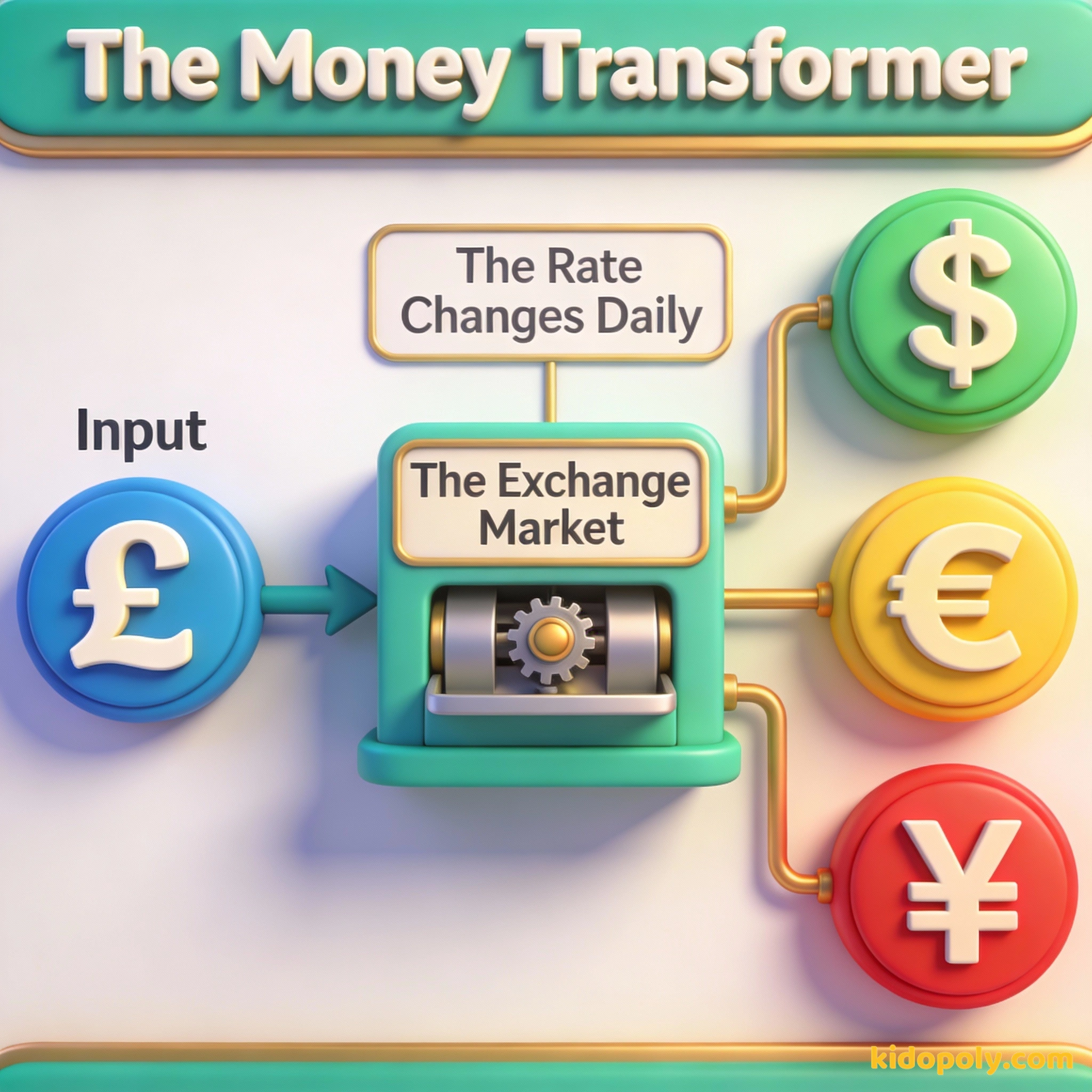
If the exchange rate between the British Pound (£) and the US Dollar ($) is 1.25, it means for every £1 you give them, they give you $1.25 back. It feels like you are getting 'more' money, but remember, the prices in the US will be different too!
Let's convert £10.00 to different currencies: - To US Dollars ($): £10 x 1.25 = $12.50 - To Euros (€): £10 x 1.17 = €11.70 - To Japanese Yen (¥): £10 x 190 = ¥1,900 Same ten pound note, three different amounts of foreign money!
Exchange rates are used for more than just holidays. Whenever a shop in your town buys toys from China or clothes from Italy, they have to use exchange rates to pay the people who made them. This makes the global economy one giant, interconnected web.
The difficulty lies not so much in developing new ideas as in escaping from old ones.
Why Do Rates Change Every Day?
If you check the exchange rate today and then check it again tomorrow, the numbers will likely be different. This happens because the value of money is constantly moving up and down. Most countries use what is called a Floating Rate.
This means the price of the currency is decided by Supply and Demand. If lots of people want to buy British Pounds to invest in UK businesses, the 'price' or value of the pound goes up. If people start selling their pounds, the value goes down.

Mira says:
"It's not exactly free money, Finn! It's like trading a large chocolate bar for two small ones. You have more pieces, but the total amount of chocolate is about the same."
Think of it like a rare trading card. When everyone wants that one special card, you have to trade five of your regular cards to get it. If nobody wants it anymore, you might only need to trade one card. Currencies are exactly the same.
The value of the currency moves up and down naturally based on trade and the economy. Most big countries like the UK, USA, and Japan use this.
The government picks a specific value (like 1 Dollar = 2 Pesos) and keeps it there using their own gold or cash reserves to stop it from changing.
The Big Mac Index
How do we know if a currency is 'strong' or 'weak'? Economists have a very tasty way of checking this called the Big Mac Index. Since you can find a McDonald's Big Mac almost anywhere in the world, we can compare how much it costs in different countries.
If a Big Mac costs £4.00 in London and $5.50 in New York, we can use those prices to see if the exchange rate is 'fair'. It helps us understand the Purchasing Power of money, which is just a fancy way of saying how much 'stuff' your coins can actually buy.
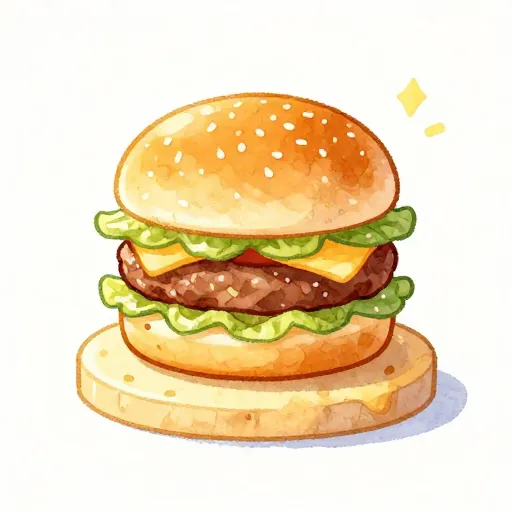
The Big Mac Index was created by 'The Economist' magazine in 1986. It started as a joke to make exchange rates easier to understand, but it became so popular that economists still use it today to see if money is being priced correctly!
Why Do Countries Have Different Values?
It might seem confusing that £1 isn't just worth $1 everywhere. The reason comes down to the health of a country's economy. When a country is doing well, selling lots of products to other nations, and keeping its prices stable, its money is usually worth more.
Governments and big banks also look at interest rates. If a country offers high interest on savings, people from all over the world want to move their money into that country's banks. To do that, they have to buy that country's currency, which pushes the exchange rate up.
Price is what you pay. Value is what you get.
How This Affects Your Life
Exchange rates aren't just for bankers in suits. They affect your life every single day! When the pound is 'strong', it means your money goes further when you go on holiday or buy things from abroad. This makes Import goods (things coming into your country) cheaper.
However, a strong pound can make it harder for local companies to sell things to other countries. This is because their products look more expensive to people using dollars or euros. It is a constant balancing act that keeps the world's shops running.
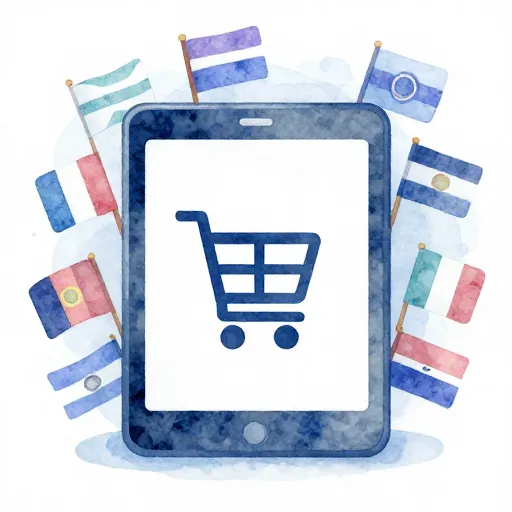
Imagine you have a digital shopping cart. You add a hoodie from a store in France. Because the exchange rate changed overnight, the price in your currency just dropped by £2.00 even though the French store didn't change their price at all. It's like a surprise sale caused by the global market!
Finn says:
"So if the pound gets stronger, my favorite American comic books might actually get cheaper? I need to start checking the news every morning!"
Doing the Math
To figure out a conversion yourself, you just need a simple multiplication or division. To turn your home money into foreign money, you multiply your amount by the exchange rate. To change it back, you divide it.
Pick a country you would like to visit. Ask a parent to help you search Google for '1 GBP to [their currency]'. Write down the number. Now, look at something that costs £5.00 in your house. Use your calculator to see how much that item would cost in your dream destination!
If you want to dive deeper into how different types of money were created in the first place, you can check out our guide on how-currency-works. You can also see what different coins look like in money-around-the-world.
An investment in knowledge pays the best interest.
Something to Think About
If you could design a single currency that the whole world used (so there were no exchange rates), do you think that would make life easier or harder for people?
There is no right or wrong answer here. Some people think a single global currency would stop confusion, while others think it's important for countries to have their own money to control their own economy.
Questions About How Money Works
Where can I find the latest exchange rates?
Is a 'strong' currency always better?
Why do some shops charge more than the official exchange rate?
You're Now a Global Money Expert!
Next time you see a price in a different currency or hear about the 'value of the pound' on the news, you will know exactly what is happening. Exchange rates are the heartbeat of global trade. Now that you understand them, why not explore how that money actually gets made in our guide to how-currency-works?
