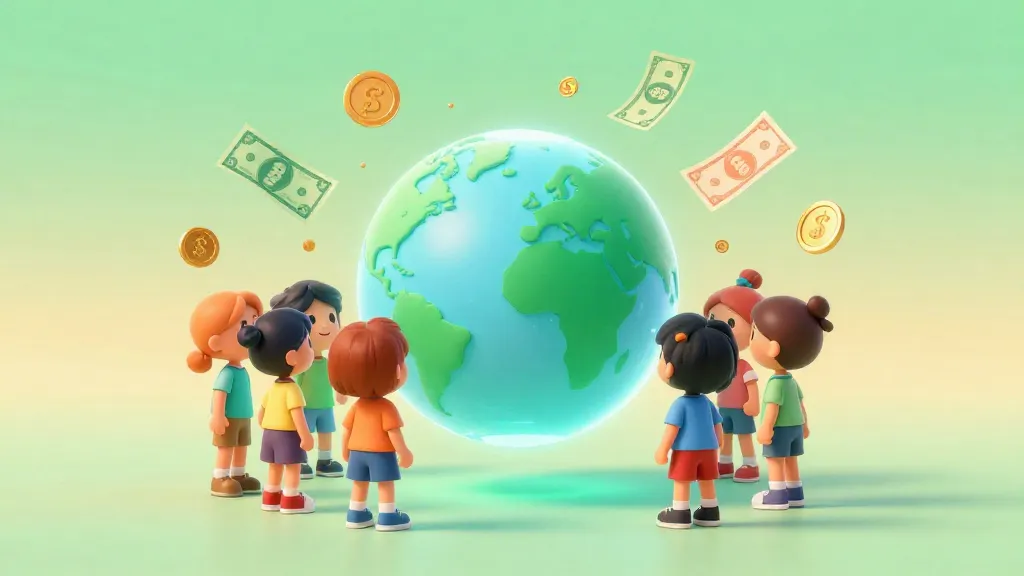
Imagine you are standing in a small shop in Tokyo, Japan. You have just found the coolest bowl of steaming ramen, and you are ready to pay. You reach into your pocket and pull out a five-pound note or a five-dollar bill.
The shop owner smiles but shakes their head because your money is no good there. To buy that ramen, you need currency that the shop accepts: Japanese Yen. Understanding how currency works explains why different countries use different systems to trade and how that money gets its value.
Most people use the words money and currency to mean the same thing, but they are actually different. Money is a big, invisible idea that represents value. It is the concept of being able to trade your hard work for a pizza or a new video game.
Currency, on the other hand, is the physical or digital form of money that a specific country uses. Think of it like this: music is the big idea, but a vinyl record, a CD, or a digital streaming file are the different forms that music takes. Currency is just the "format" a country chooses for its money.

Imagine you are at a giant playground swap. Everyone wants to trade toys, but it is hard to figure out how many stickers a football is worth. So, the playground leader gives everyone special 'Playground Tokens.' Now, everyone can agree that a football costs 10 tokens and a sticker costs 1. Those tokens are the playground's currency!
Every currency has a specific name and a look that makes it unique. In the United States, they use the Dollar. In many parts of Europe, they use the Euro. In South Africa, they use the Rand. These are all currencies, but they all represent the same thing: money.
The Boss of the Bills: Central Banks
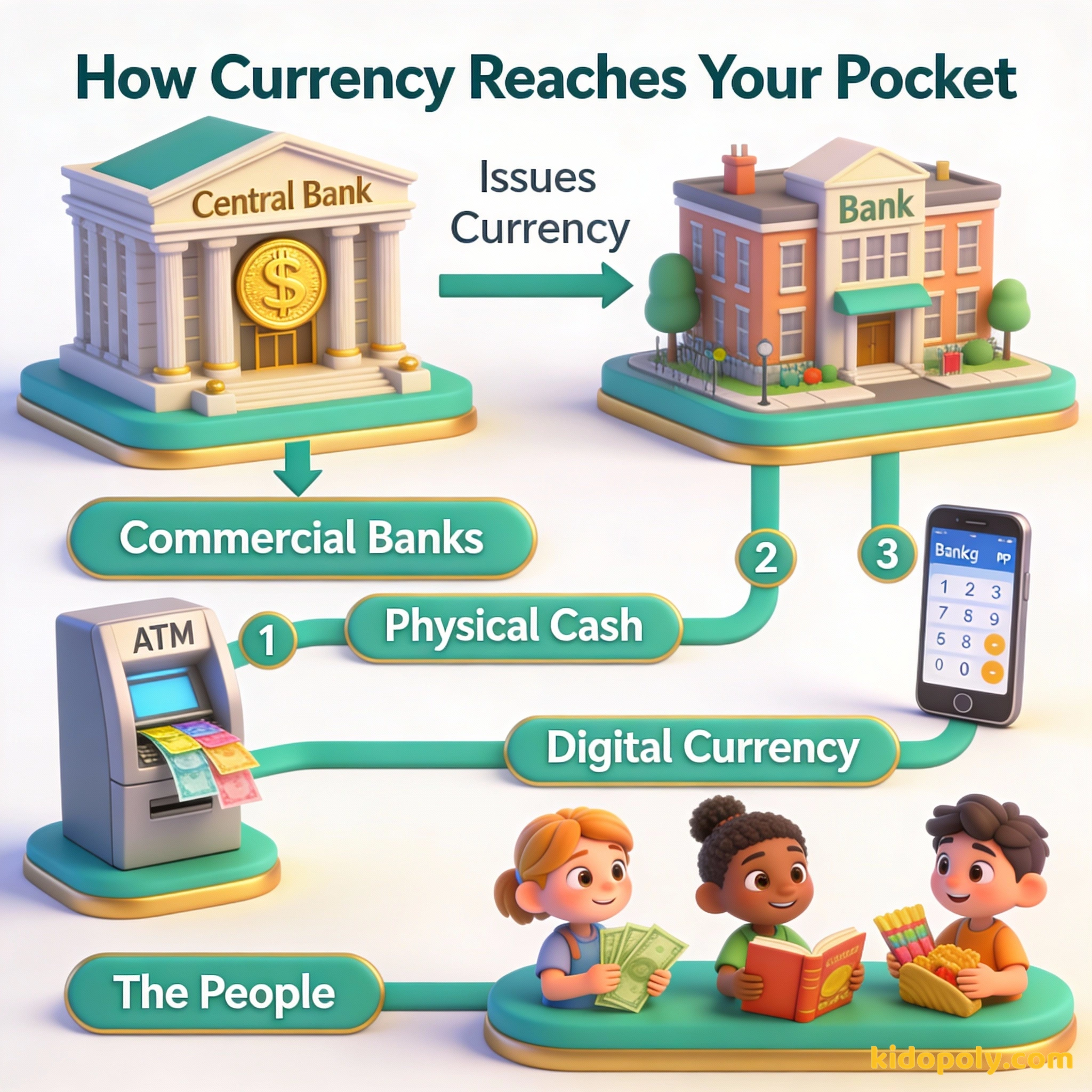
Currency does not just appear by magic. It is created and managed by a very special kind of bank called a Central Bank. Unlike the bank on your high street where you might have a savings account, a central bank works for the whole country.

Finn says:
"If the government can just print money, why don't they print enough for everyone to be a billionaire? Wouldn't that solve everything?"
These banks have the huge responsibility of deciding how much currency should be in circulation. If they print too much, the money might lose its value. If they do not make enough, it might be hard for people to buy the things they need.
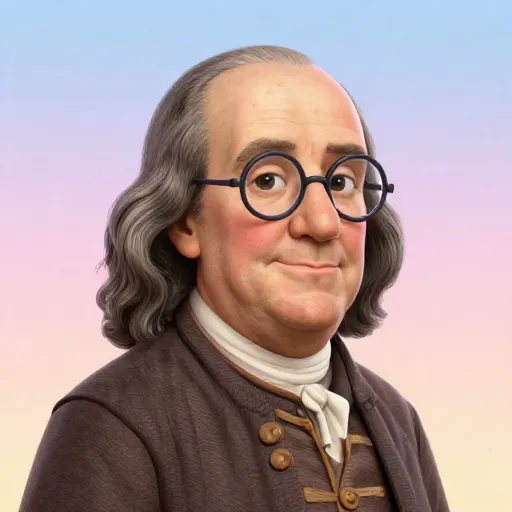
If you would know the value of money, go and try to borrow some.
Central banks also make sure the physical notes and coins are safe from people who might try to make fake versions. They use special inks, hidden watermarks, and even tiny pieces of plastic or metal inside the paper. These security features make sure that when you hold a bill, you can trust it is the real deal.
The Secret Language of Currency Codes
When you travel or look at financial news, you will see that currencies use short, three-letter codes. These are like nicknames that help everyone around the world know exactly which currency is being discussed.
- USD stands for the United States Dollar
- GBP stands for Great Britain Pound
- EUR stands for the Euro
- JPY stands for the Japanese Yen
- AUD stands for the Australian Dollar
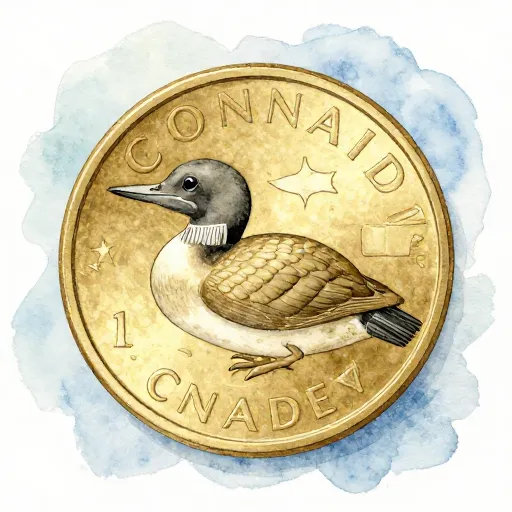
The most traded currency in the world is the USD (US Dollar), followed by the EUR (Euro) and the JPY (Japanese Yen). Some currencies have funny nicknames, like the Canadian dollar, which is called the 'Loonie' because it has a picture of a loon bird on it!
Learning these codes is like learning a secret language for world travelers. It helps banks and shops communicate quickly without any confusion. This system is part of what makes international trade possible, allowing a toy factory in China to sell to a shop in Canada.

Mira says:
"It's like how different types of plugs work in different countries. You need an adapter to make your gadgets work, just like you need an exchange to make your money work!"
Why Doesn't Every Country Use the Same Money?
It might seem easier if the whole world just used one single currency. You could use the same coins in London, New York, and Sydney without ever visiting a currency exchange. While that sounds simple, most countries prefer to have their own system for a very important reason: sovereignty.
Having your own currency gives a government power over its own economy. They can change interest rates or adjust how much money is available to help their citizens during tough times. If the whole world used one currency, every country would have to follow the exact same rules, even if their economies were very different.
If you have 10 units of Currency A, and 1 unit of Currency A is worth 2 units of Currency B, how many units of Currency B do you get? Calculation: 10 x 2 = 20 You would have 20 units of Currency B! This is the basic math banks use to swap your money for your holiday spending.
When you take your money to another country, you usually have to swap it. This is where exchange rates come in. You give the bank your local currency, and they give you back the equivalent value in the new currency based on what it is worth that day.
Price is what you pay. Value is what you get.
Physical vs. Digital Currency
When you think of currency, you probably picture crinkly paper bills and heavy metal coins. This is called physical currency or cash. It is great because it works even if the power goes out, and it is easy to see exactly how much you have.
However, most of the currency in the world today is actually digital currency. This is not just numbers on a screen; it is real money that exists in computer systems. When your parents pay for groceries with a card or a phone app, they are moving digital currency from their bank to the shop's bank.
It is easy to use, works for online shopping, and you cannot lose it under the sofa cushions. It makes it easy to track every penny you spend.
It works even when the internet is down, it helps you learn the value of money by feeling it, and you do not need a bank account or a phone to use it.
Digital currency is fast and convenient. You do not have to carry around a heavy bag of coins to buy something expensive, like a car or a house. But whether it is a shiny coin or a digital balance, the currency only works because of one secret ingredient: trust.
The Power of Trust and Stability
Currency only has value because people believe it does. In the past, many currencies were backed by actual gold kept in a vault. Today, most currencies are fiat money, which means they are backed by the promise of the government that issued them.
Finn says:
"So, if everyone suddenly decided that a certain currency was just colorful paper, it would stop being worth anything? That's kind of scary!"
As long as a country is stable and its leaders make good decisions, people will trust that its currency is worth something. This trust is what allows you to trade a piece of paper for a sandwich. The sandwich maker knows they can use that same piece of paper to buy something they want later.

All money is a matter of belief.
When a country’s economy is strong, other people around the world want to hold that country's currency. This makes the currency more stable. Understanding this system is like knowing how the engine of a car works: once you see the parts, the whole world of money starts to make a lot more sense.
Something to Think About
If you were starting your own small country, what would you name your currency and what would the physical notes look like?
There are no wrong answers! Think about what symbols or people are important to you and how you would make your currency feel special and trustworthy for your citizens.
Questions About How Money Works
Can I use any currency in any country?
Why do some countries share the same currency?
Who prints the physical money?
Ready to Explore More?
Now that you know how the system of currency works, you are ready to see it in action! You can explore the different types of money used around the globe or learn about how exchange rates decide how much your money is worth when you travel.
