Every time you buy a school lunch, download a new song, or get a haircut, you are adding to a number that the world's most powerful leaders watch every single day.
That number is called GDP, which stands for Gross Domestic Product. It is basically the giant price tag for an entire country, trying to measure how much 'stuff' a nation makes and sells in a single year.
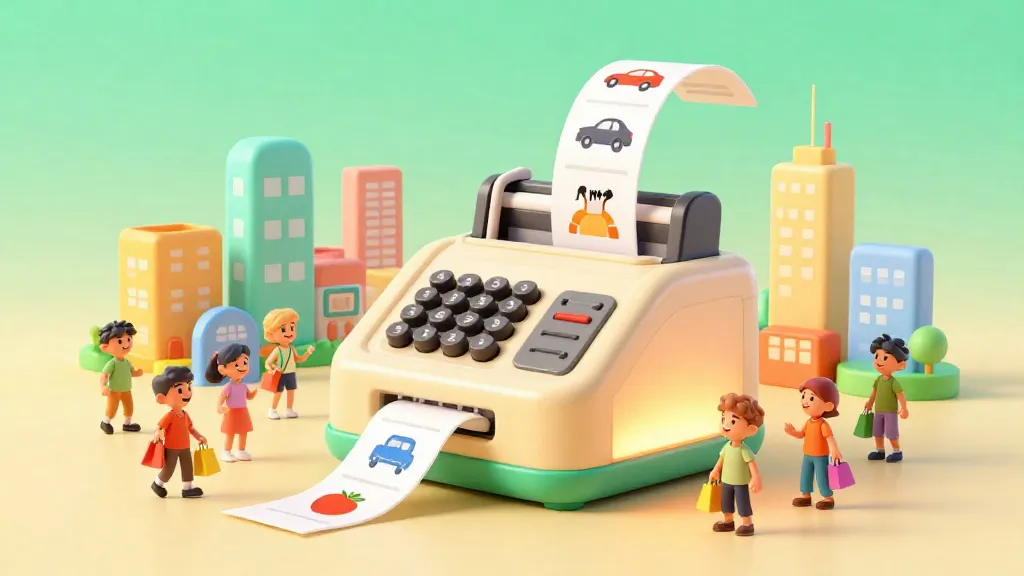
Imagine the entire country is one massive shop. Inside this shop, you can buy anything from a single banana to a brand-new electric car. You can also buy services, like a lesson from a piano teacher or a checkup at the dentist.
At the end of the year, the shopkeeper adds up every single receipt from every single person in the country. The final, massive total at the bottom of that receipt is the GDP. If everyone stopped buying things tomorrow, the GDP would drop to zero, and the shop would have to close its doors.

Imagine your entire country is a giant lemonade stand. GDP isn't just the money in the jar at the end of the day. It is the value of the lemons, the sugar, the cups, and even the time you spent stirring. If you sell 100 cups for $1 each, your 'Lemonade GDP' is $100!
What Does GDP Actually Stand For?
The name sounds a bit like a science experiment, but it is actually very simple when you break it down. Gross means the total amount before anything is taken away. Domestic means inside one country. Product refers to the goods and services that were produced.
When we put them together, we get the total value of everything produced inside a country's borders. It does not matter if a company is owned by someone in another country. As long as the work is happening in your town or city, it counts toward your country's GDP.

Finn says:
"Wait, why is it called 'Gross'? Does that mean the economy is icky or smelly?"
Goods vs. Services: What's on the Receipt?
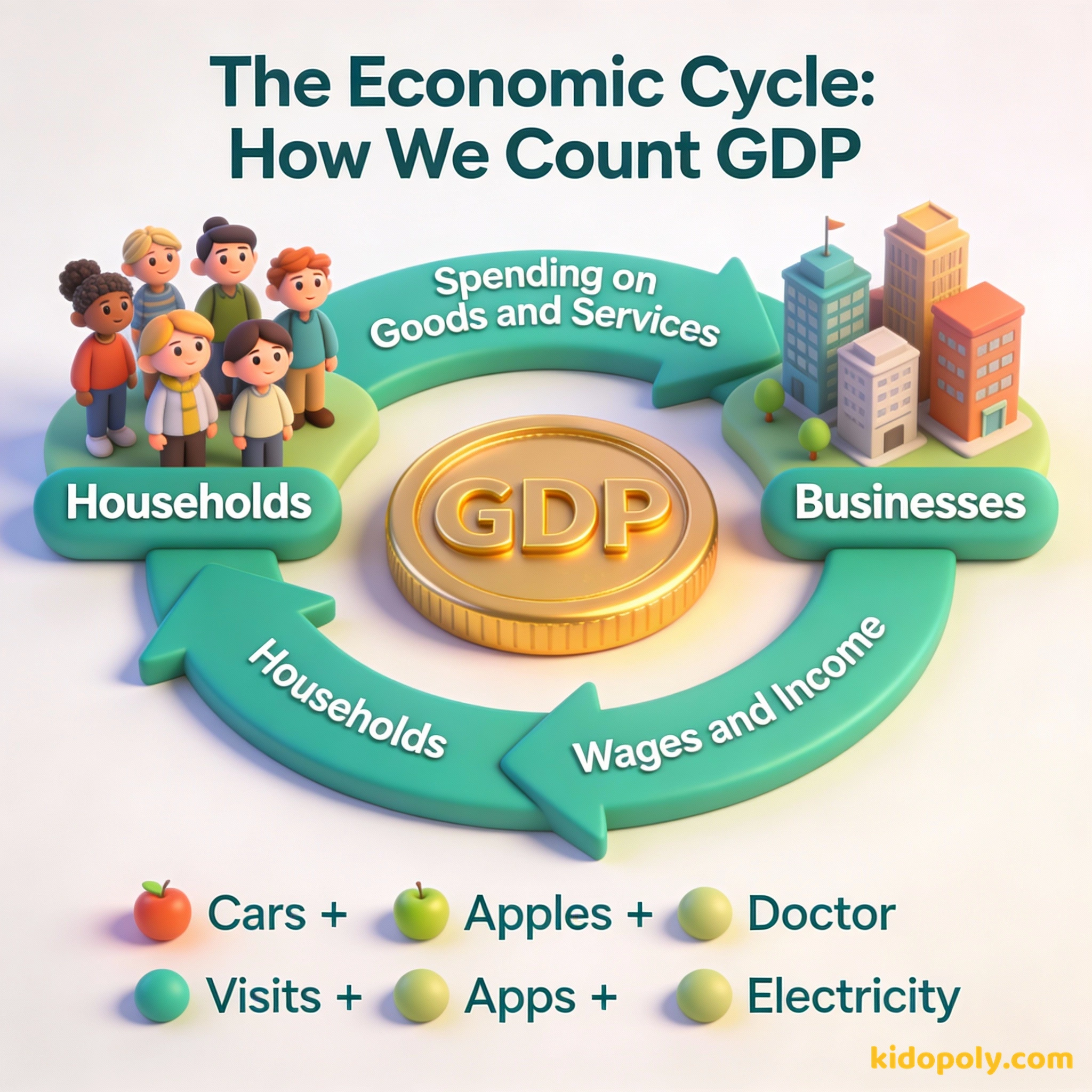
To understand GDP, you have to look at the two things that make it up. First, there are goods. These are physical things you can touch, like a skateboard, a loaf of bread, or a smartphone. If a factory makes it and sells it, it goes on the giant receipt.
Second, there are services. These are things people do for you. When you pay for a bus ride, a movie ticket, or a subscription to a streaming service, you are buying a service. Even though you aren't walking away with a physical box, that money is still a vital part of the economy.

The welfare of a nation can scarcely be inferred from a measurement of national income.
How Do We Compare Big and Small Countries?
If you look at a list of countries by GDP, the United States and China are usually at the top. This makes sense because they are huge countries with millions of workers. But does a high GDP mean that the people living there are the richest?
Not necessarily. To figure that out, economists use a trick called GDP per capita. They take the total GDP and divide it by the number of people living in the country. It is like taking a giant pizza and cutting it into equal slices to see how much each person would get.
Let's compare two imaginary islands: Island A: Total GDP = $1,000. Population = 10 people. GDP per capita = $100 per person. Island B: Total GDP = $5,000. Population = 100 people. GDP per capita = $50 per person. Even though Island B has more total money, the people on Island A are actually 'richer' on average!
Why Does the News Talk About 'Growth'?
You might hear a news reporter say, "The economy grew by 2% this year." This is called GDP growth. It means that this year, the country produced 2% more stuff than it did last year. Most leaders want the GDP to keep growing steadily.
When the GDP grows, it usually means businesses are doing well and people have jobs. If the GDP stops growing or starts to shrink, it can be a sign of trouble. However, even if the 'giant receipt' is getting longer, it doesn't always mean life is getting better for everyone.

Mira says:
"Think of it like a fitness tracker for the country. It counts every 'step' or dollar spent, but it doesn't know if you were running to win a race or running away from a scary dog!"
The Things GDP Misses
This is where GDP gets complicated. While it is great at measuring money, it is terrible at measuring happiness. If you spend your Saturday volunteering at an animal shelter, you are doing something amazing, but you are adding $0 to the GDP.
If you help your parents clean the house for free, the GDP does not move. But if your parents hire a professional cleaning company, the GDP goes up! This is one of the biggest criticisms of GDP: it ignores all the valuable work we do for love, kindness, or fun.
A high GDP usually means more jobs, better hospitals, and more money for schools and technology.
Growing GDP can lead to more pollution, longer working hours, and less time for family and hobbies.
The Environment and Fairness
GDP also does not care about the environment. If a factory produces a million toys but pollutes a local river in the process, the GDP only counts the toys. It does not subtract the cost of the dirty water or the sick fish. This is why many people say GDP is an incomplete picture of a country's health.
It also does not show how money is shared. A country could have a very high GDP, but if most of that money belongs to just a few people while everyone else is struggling, the GDP number makes the country look much 'richer' than it actually feels to live there.

GDP measures everything, in short, except that which makes life worthwhile.
Comparing the World: A Tale of Three Countries
Different countries use their resources in different ways, and their GDP numbers tell interesting stories. For example, India has a massive total GDP because it has over a billion people making and selling things. It is one of the fastest-growing economies in the world.
On the other hand, a tiny country like Luxembourg has a much smaller total GDP than India. But because Luxembourg has a small population, its GDP per capita is one of the highest in the world. This tells us that while India is a global powerhouse, the average person in Luxembourg has a much higher income.
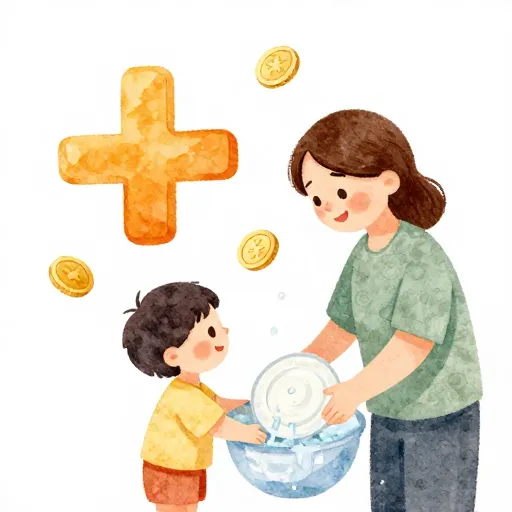
Did you know that in many countries, things like 'unpaid chores' are estimated to be worth billions? If we actually added the value of all the cooking and cleaning parents do for free to the official GDP, the numbers would jump by about 25%!
Finn says:
"So if I buy a used video game from my friend, does that count? Or does it have to be a brand-new one from a shop?"
Beyond the Numbers
Some countries are trying to find better ways to measure success. The country of Bhutan, for example, uses something called Gross National Happiness. They still track GDP, but they also measure things like forest cover, cultural traditions, and how much sleep people get!
GDP is a useful tool, like a speedometer on a car. It tells you how fast the economy is moving, but it doesn't tell you if you are driving in the right direction. To understand how-the-economy-works, we have to look at the numbers and the people behind them.

GDP is a powerful measure, but it's a measure of the market, not of our lives.
Something to Think About
If you could add one thing to GDP to measure how 'successful' a country is, what would it be?
There is no right or wrong answer here. Think about what makes your life feel 'wealthy' - is it more video games, cleaner air in your park, or having more time to play with your friends?
Questions About How Money Works
Does GDP include used things I sell on eBay?
Which country has the largest GDP in the world?
Can a country's GDP be too high?
You're Now an Economy Expert!
Now you know that GDP is more than just a boring number on the news. It is a giant snapshot of everything we create, buy, and do. Next time you hear about the economy growing or shrinking, you'll know exactly which 'giant receipt' they are talking about. Want to see how prices changing can affect that receipt? Check out our guide to inflation-explained!