Imagine you take a crisp £20 note and rip it right down the middle. Your heart would probably sink, right?
That tiny piece of paper could have bought you a new video game or a massive pizza feast, but the paper itself is only worth about 3p. Why is one piece of paper worth a fortune while a Monopoly note is worthless? The secret lies in assigned value and a massive, invisible agreement called the trust chain.
If you looked at a £20 note under a microscope, you would see it is mostly made of cotton and polymer. If you tried to sell that scrap of material to a recycling center, they would give you less than a penny for it. Yet, you can walk into a shop and trade that same scrap for a pair of headphones.
This is because money has moved away from having intrinsic value. That is a fancy way of saying the object is valuable all by itself, like a gold bar or a bag of salt. Today, our money is valuable because of a promise.
Cost to make a £5 note: ~7p Face value of the note: £5.00 The 'Magic' Value: £4.93 That extra £4.93 doesn't come from the material, it comes from the promise of the Bank of England!
In the old days, people used things like gold, silver, or even sea shells as money. These worked because they had scarcity, which means they were hard to find. You could not just pick up gold from your backyard, so everyone agreed it was special.
Gold also had durability, meaning it did not rot like apples or break like glass. Because it was rare, beautiful, and lasted forever, people naturally trusted that it was worth something. It was 'real' wealth you could hold in your hand.

Finn says:
"Wait, so if I find a cool rock in my garden, could I use it as money if I convince my friends it's rare?"
As the world grew, carrying heavy bags of gold became a massive pain. Imagine trying to buy a bike with a pocket full of heavy metal! To make things easier, banks started issuing paper receipts that represented the gold they were holding in their vaults.
Eventually, governments realized they did not actually need the gold in the vault to make the system work. They moved to something called fiat money, which is money that has value because the government says it does. The value shifted from the metal to the message printed on the note.

The chief part of the value of a gold or silver leaf arises from its scarcity.
So, if there is no gold backing it up, what stops your pocket money from becoming worthless paper? The answer is the trust chain. You accept a £10 note from your parents because you trust the local shop will accept it from you.
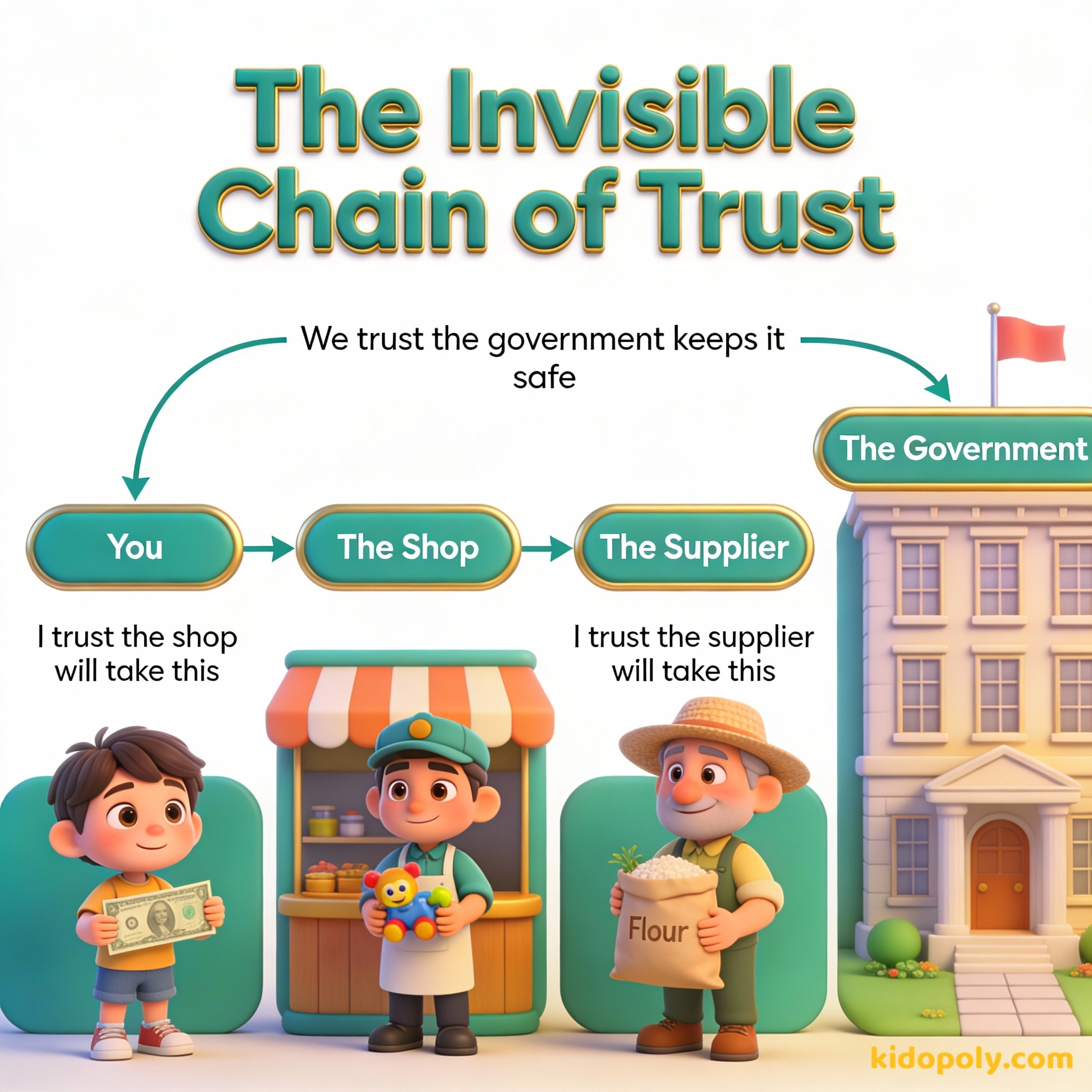
The shopkeeper accepts it because they trust they can use it to pay their staff. The staff members accept it because they trust they can use it to pay their rent. As long as everyone in the circle believes the next person will take the money, it stays valuable.
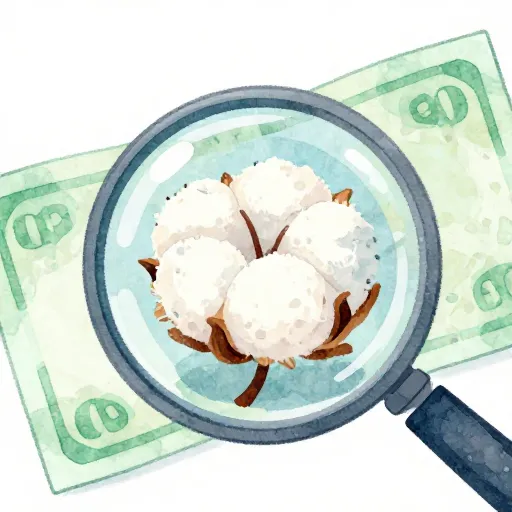
The 'paper' money in your pocket isn't actually paper! Most UK notes are made of a thin, flexible plastic called polymer. In the US, they use a blend of 75% cotton and 25% linen. This makes them much harder to accidentally wash in your jeans!
But trust is a fragile thing, so we need a 'Big Boss' to keep it all together. That is where the government comes in. They declare that the money is legal tender, which means by law, it must be accepted for paying debts.
Governments also demand that people pay their taxes using that specific currency. This creates a constant demand for the money. If you need it to pay your taxes, you are definitely going to work hard to earn it, which keeps the value high.

Mira says:
"It's like how everyone at school decided that certain stickers were 'worth' three other stickers. We created our own value system!"
The pieces of green paper have value because everybody thinks they have value.
Another reason money stays valuable is because of economic productivity. Think of a country like a giant company. If that country produces amazing technology, delicious food, and great services, people all over the world want its money so they can buy those things.
Gold is 'real' wealth. It's rare, it's physical, and it has been valuable for thousands of years. It doesn't rely on a government to exist.
Paper is easier to use. You can print more as the population grows, it's light to carry, and it allows the economy to move much faster.
The central bank of a country acts like a referee. Their main job is to make sure there is not too much or too little money moving around. If they do a good job, the value of your money stays stable, and you can trust that £1 will buy roughly the same amount of sweets tomorrow as it does today.
Finn says:
"If the government can just say paper is worth £20, why don't they just print enough for everyone to be billionaires?"
What happens when that trust completely breaks down? In rare cases, like in Zimbabwe or Venezuela, governments printed way too much money. When there is too much money chasing too few goods, it leads to hyperinflation.
During these times, people lose faith in the 'promise' of the paper. In Zimbabwe in 2008, prices were doubling every 24 hours! People eventually stopped using the local money entirely because the trust chain had snapped into pieces.
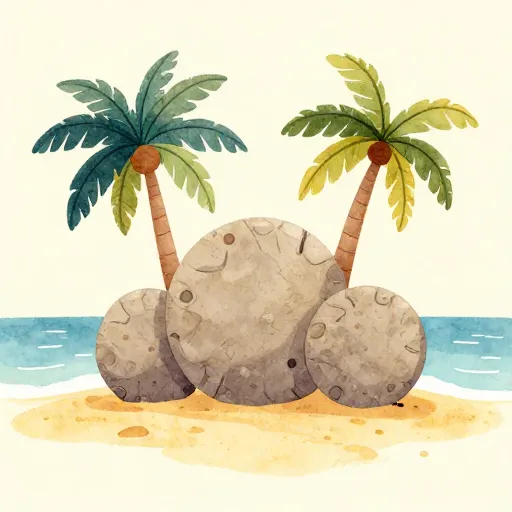
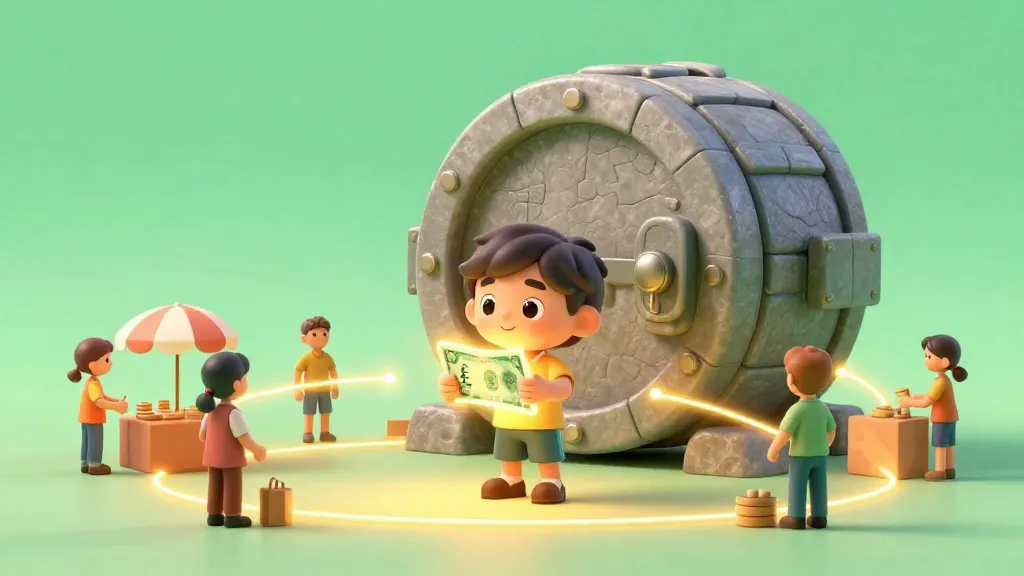
Imagine you live on the Island of Yap. For hundreds of years, people there used giant stone discs called Rai stones as money. Some were 12 feet wide! They didn't move them from house to house. Everyone just 'agreed' who owned which stone. Even if a stone fell into the ocean, as long as everyone agreed it was still there, the owner could still 'spend' it!
Price is what you pay. Value is what you get.
To keep money valuable, we have to protect the things that create trust: a stable government, a strong economy, and the belief that we are all working together. Money is essentially a scorecard for how we trade our time and skills with each other.
When you hold a coin or see a balance in a banking app, you are looking at a piece of a global agreement. It is one of the most successful 'pretend' games in human history, and it is the superpower that allows our entire modern world to function.
Try to start your own currency at home! Cut out five slips of paper. Give them a name (like 'Home-Bucks'). See if you can trade one to a sibling or parent for a small chore or a snack. What makes them say yes? What makes them say no? You're learning the art of the trust chain!
Something to Think About
If the whole world lost its memory tomorrow and forgot what money was, what would you try to use as money to trade with your neighbors?
There's no right or wrong answer! Think about what things are rare, durable, and that everyone might want.
Questions About How Money Works
If money is just trust, why can't I just print my own?
Is gold still used to back up our money?
Can money lose its value forever?
You're a Master of the Invisible Chain!
Now that you know money is fueled by trust, you can see the world differently. It’s not just about coins and notes, it’s about how we all agree to work together. Want to see what happens when that trust gets a bit wobbly? Head over to our page on inflation-explained to see why prices change over time!
