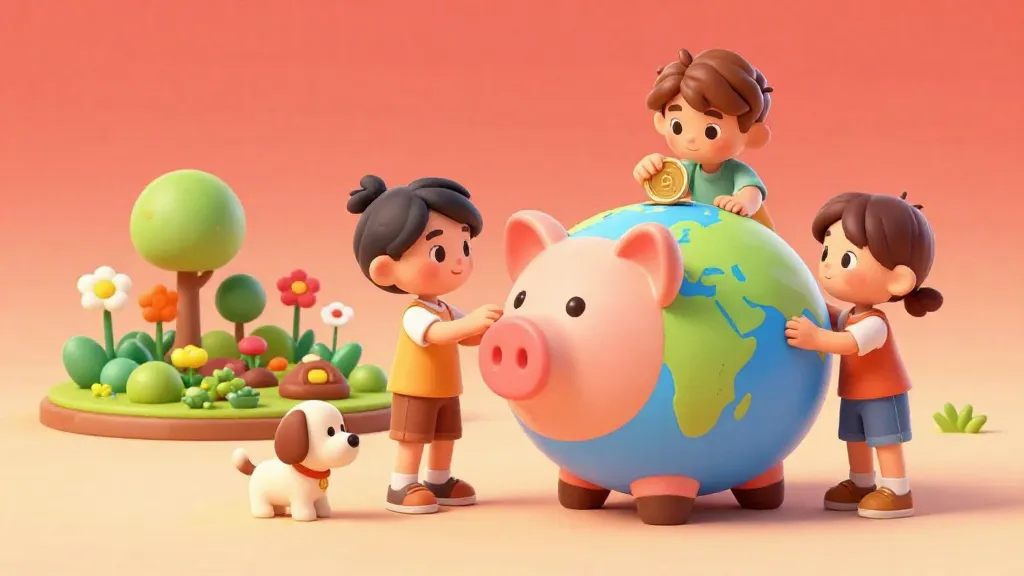
What if I told you that giving your money away could actually make you feel better than buying a new toy?
It sounds like a trick, but it is true. While money is usually for buying things you want, it is also one of the most powerful tools in the world for helping others. This is called Philanthropy, which is just a big word for using your time, talent, or money to make the world a better place. When you give to a Charity, you are joining a team of people working to solve big problems.
Here is something surprising: scientists have found that giving money away makes people happier than spending it on themselves. In one study, even toddlers smiled more when sharing their snacks than when they got extra ones for themselves. If money can buy happiness, it might be by giving it to someone who needs it more than you do.
Why Do People Give Money Away?
People give for many different reasons. Sometimes it is because they feel Empathy, which is the ability to understand how someone else is feeling. If you see someone who is hungry or a dog that needs a home, you might want to help because you can imagine how tough that situation feels.
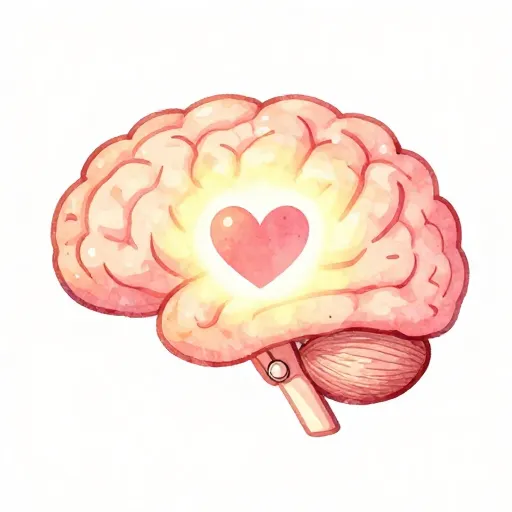
Scientists used MRI machines to look at people's brains when they gave money to charity. They found that giving activates the same 'reward centers' in the brain as eating your favorite chocolate or winning a game!
Other people give because of Fairness. They realize that they might have been born with more resources than others, and they want to balance things out. Many families also have religious traditions or cultural beliefs that encourage sharing with the Community. Giving is a way to say: we are all in this together.

If you're in the luckiest one percent of humanity, you owe it to the rest of humanity to think about the other 99 percent.

Mira says:
"Think of it like this: if everyone in your neighborhood shared just one tool, the whole street could build a massive treehouse together!"
How Do Charities Work?
A Charity is a special kind of organization called a non-profit. Unlike a toy store or a grocery shop, a charity does not exist to make money for its owners. Instead, its main goal is to solve a problem: like cleaning the ocean, finding cures for diseases, or helping kids learn to read.
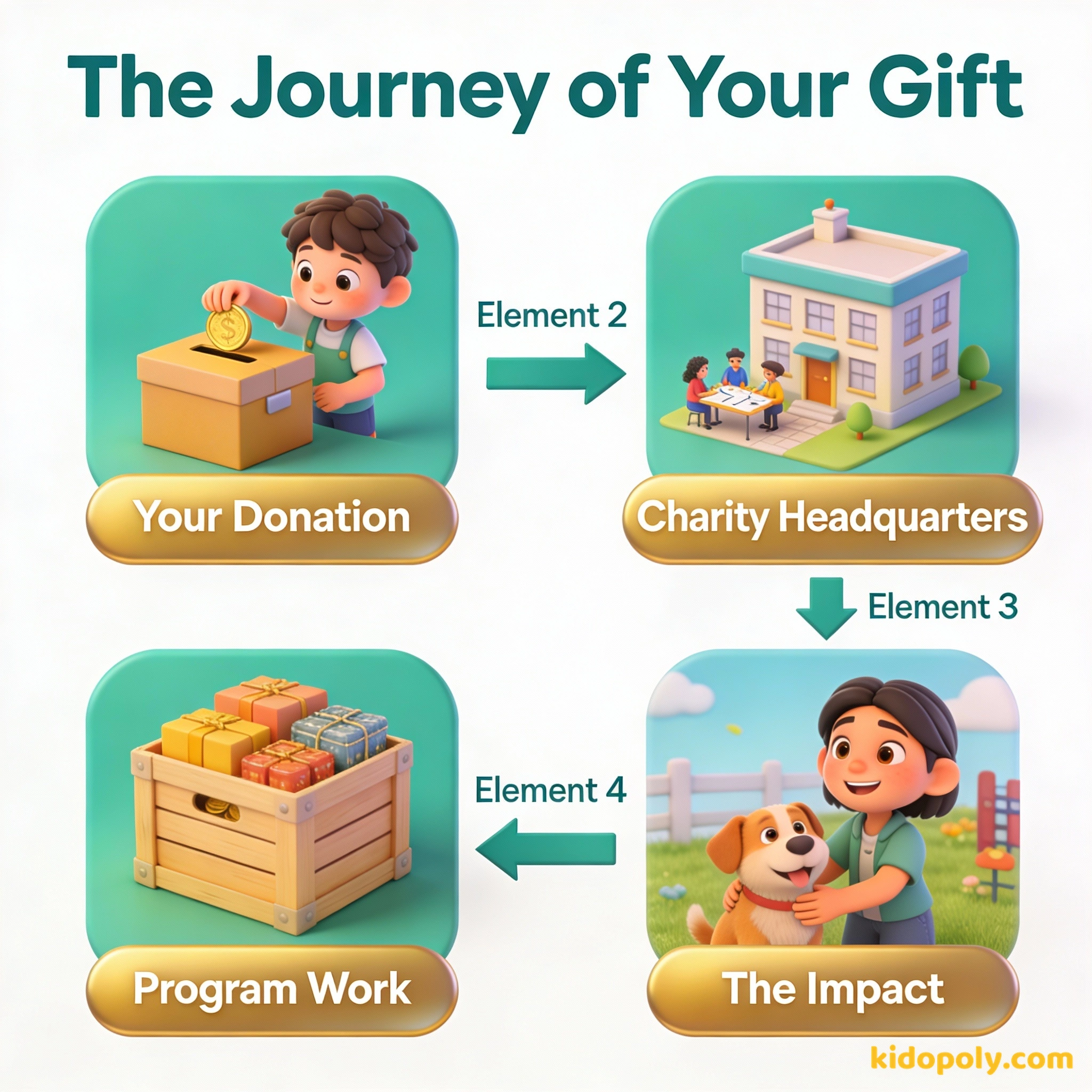
Charities collect Donations from thousands of people. By pooling all that money together, they can do big things that one person could not do alone. They use that money to pay for their programs, but they also have to pay for things like electricity for their offices and salaries for the people who work there. This is called Overhead or administration costs.
Being a Smart Giver
Not all charities spend their money the same way. When you are deciding where to give, it is smart to do a little research. You want to make sure your money is actually reaching the cause you care about.
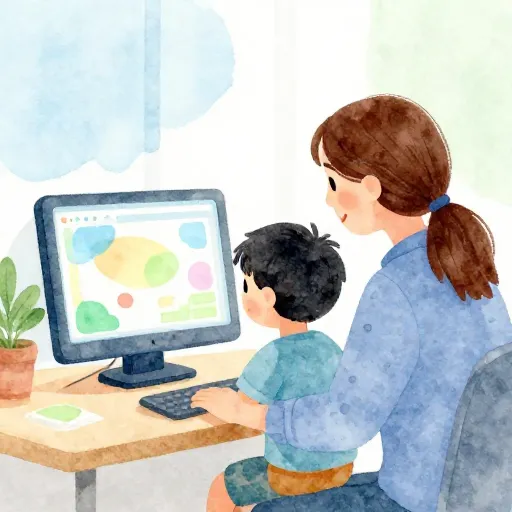
Before you give to a charity, visit a website like Charity Navigator or GuideStar with a parent. Type in the name of a charity you like and see what percentage of their money goes directly to helping people versus paying for their offices.
A good rule of thumb is the 80/20 rule. Try to find charities that spend at least 80 percent of their money on their actual programs, and no more than 20 percent on things like advertising or office rent. This ensures your gift has the biggest possible Impact.

No one has ever become poor by giving.
The Give, Save, Spend Framework
You do not have to be a millionaire to be a philanthropist. In fact, many people use a simple system to manage their pocket money. It is called the Give-Save-Spend framework. You can read more about the basics of managing your cash on our budgeting-basics page.
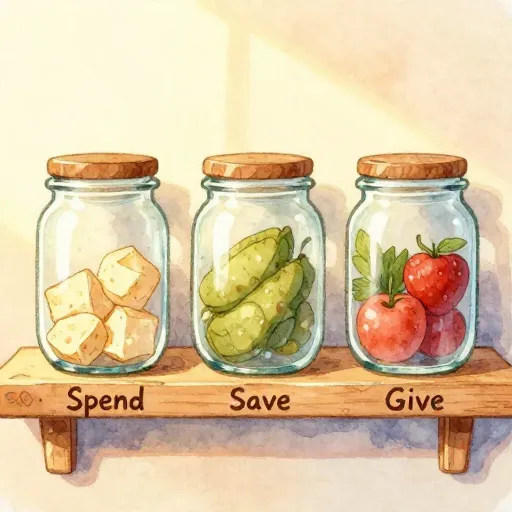
Imagine you have three glass jars on your desk. Every time you get 10 dollars, you put 7 in Spend, 2 in Save, and 1 in Give. At the end of the year, you have helped yourself, your future self, and a stranger who needed help. That is a triple win!
Instead of putting all your money in one place, you divide it into three jars:
- Spend: Money for things you want right now, like a comic book or a snack.
- Save: Money for big goals in the future, like a new bike or a video game console.
- Give: Money set aside specifically to help others.

Finn says:
"If I only have a little bit of pocket money, should I wait until I have a huge pile to give it, or is it better to give a tiny bit every month?"
Can Small Amounts Really Help?
You might think that your five pounds or ten dollars won't make a difference. But small amounts add up fast! This is where Money Math gets exciting. If 100 kids in your school all gave just 1 pound, that is 100 pounds for a local charity. That could buy dozens of meals for shelter animals or plant several new trees in a park.
If you save just 50p every week for a year, you will have £26.00 to donate! That £26.00 could: - Buy 52 cans of cat food for a shelter - Provide clean water for one person for a whole year - Buy 5 brand new books for a school library
Even a small donation helps a charity plan for the future. When charities know they can count on many small gifts, they can start bigger projects because they know the community supports them. Every penny has a purpose when it is part of a bigger plan.

An investment in knowledge pays the best interest.
Giving More Than Money
Sometimes you might not have extra money to give, and that is perfectly okay! You have two other things that are just as valuable: your time and your skills. This is called Volunteering.
- Time: You could spend an afternoon helping clean up a local park or reading to younger kids.
- Skills: If you are great at drawing, you could make posters for a bake sale. If you are good at tech, you could help a local group set up a website.
- Awareness: Simply telling your friends and family about a cause you care about helps. When people know about a problem, they are more likely to help solve it.
Mira says:
"Giving isn't just about the cash. When you spend your Saturday picking up litter, you're investing your 'time-currency' into the Earth!"
Making Your Choice
Choosing where to give is a big decision because it reflects what you care about. Do you love animals? Are you worried about the environment? Do you want to help other kids get the school supplies they need? There is no wrong answer.
Remember, your money has Value, and choosing where to send it is like voting for the kind of world you want to live in. You can learn more about how we decide what things are worth on our value-of-money page.
Some people like to give a little bit of money every single month. This helps charities pay their regular bills, like rent and electricity.
Others prefer to save up their 'Give' jar for a whole year and make one big donation to a specific project they really care about.
Something to Think About
If you were given £100 today that you HAD to give to a charity, which cause would you choose and why?
Questions About Money & Society
Is it okay if I only give a very small amount?
How do I know if a charity is a scam?
Can I start my own charity?
You Are a World-Changer
Giving is not just about the money you leave behind, it is about the difference you make in people's lives. Whether you are putting a coin in a jar or spending an hour helping a neighbor, you are practicing the superpower of generosity. What is the first small step you can take today to help a cause you care about?