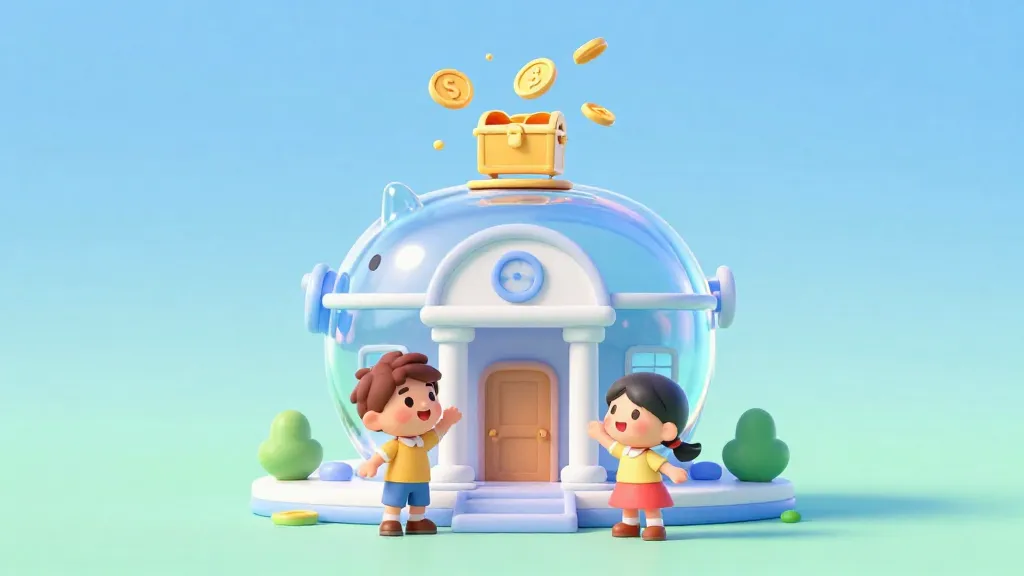
Imagine you have been saving coins in a jar for months, and you finally have 50 dollars. If you leave that jar on your shelf for a year, you will still have exactly 50 dollars. But what if there was a way to make that money grow without doing any extra chores?
A savings account is a special type of bank account designed to keep your money safe while it earns interest. Instead of sitting still in a piggy bank, your money goes to work in a secure financial institution where it can grow over time.
Most people start their financial journey with a piggy bank or a jar under the bed. It is a great way to see your progress, but physical cash has two big problems: it is easy to lose, and it never grows on its own. That is where a bank comes in.
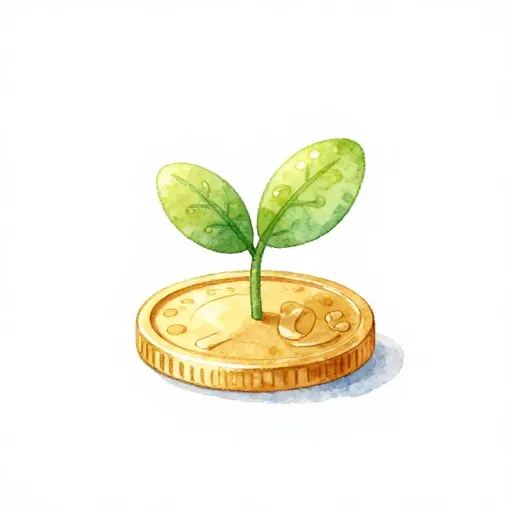
Imagine your money is a tiny seed. If you keep it in a dry jar, it stays a seed forever. If you put it in a savings account, it is like planting it in rich soil. The bank provides the 'water' (interest) that helps it grow into a tree.
A bank is a business that looks after people's money. When you open a kids savings account, you are essentially hiring the bank to be a high-tech bodyguard for your cash. They keep your money in a giant, secure system and keep a digital record of every penny you own.

Mira says:
"I remember when I moved my birthday money from my desk drawer to the bank. It felt like my money finally graduated to the 'big leagues'!"
How the Bank Pays You to Save
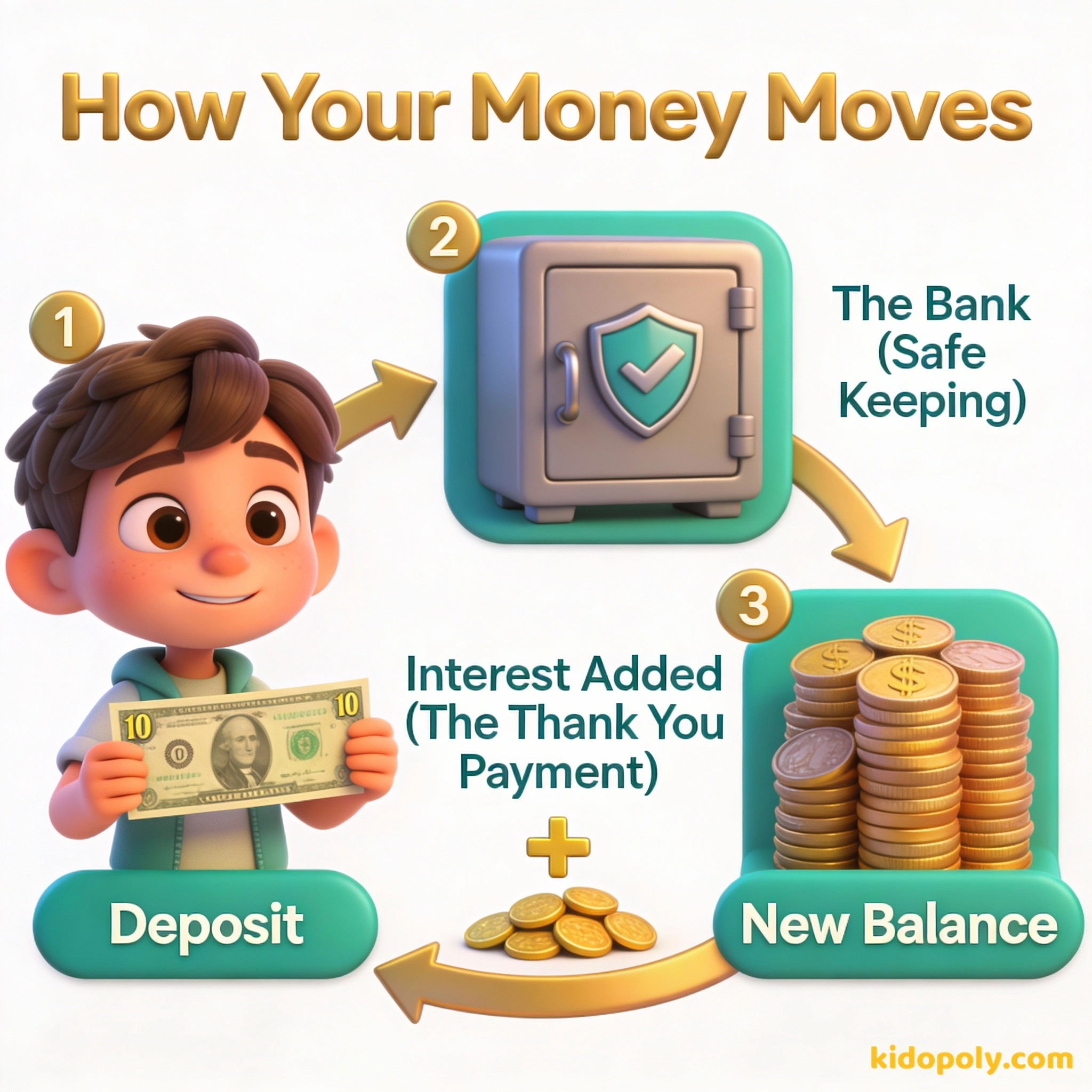
The coolest part of a savings account is something called interest. Think of interest as a 'thank you' payment from the bank. Because you are letting the bank hold onto your money, they pay you a small amount of extra money every month.

Someone is sitting in the shade today because someone planted a tree a long time ago.
The amount of extra money you get depends on the interest rate. This is a percentage that tells you how much the bank will pay you based on your balance, which is the total amount of money in your account. The more you save, the more the bank pays you.
Let's look at the numbers: If you have $100 in an account with a 5% interest rate: Year 1: You earn $5.00 in interest. New Balance: $105.00. You didn't do any work, but you have $5 more than you started with!
Keeping Your Money Safe
You might wonder: what happens if the bank loses my money? In the United States and the United Kingdom, your money is protected by the government. If the bank has a major problem, the government steps in to pay you back your money.
In the US, the FDIC has protected bank deposits since 1933. Since then, not a single depositor has lost a penny of insured funds due to a bank failure. That is a 100% safety record!
In the US, this protection is called the FDIC. In the UK, it is called the FSCS. As long as your bank has this protection, your savings are guaranteed to be safe up to a very large amount of money, usually much more than any kid would have in their account!

Finn says:
"So if the bank is a bodyguard for my money, do they literally keep my specific 10 dollar bill in a box with my name on it?"
Types of Kids Accounts
Because you are under 18, you usually cannot open a bank account entirely by yourself. You will need a parent or guardian to help you set it up. There are a few different ways these accounts can be organized:
- Joint Accounts: Both you and your parent own the account together. You both can see the balance and put money in.
- Custodial Accounts: This is an account managed by an adult for your benefit. They look after the money until you are old enough to take over.
- Youth Accounts: These are designed for older kids and teens, often coming with more features as you get closer to being an adult.
Putting Money In and Taking It Out
When you put money into your account, it is called a deposit. You can do this by taking cash to the bank or using a machine. When you want to use your money to buy something, you make a withdrawal.
Mira says:
"Not exactly, Finn! They keep track of the amount digitally. It is like how a library knows you have 3 books out, even if they don't know exactly which physical copy you have."
Most savings accounts have rules about withdrawals. Since the account is meant for saving, the bank might limit how many times you can take money out each month. This is actually helpful because it encourages you to let your money stay put and grow through compound-interest-explained.

A penny saved is a penny earned.
What You Need to Get Started
Opening an account is pretty simple, but you will need a few things before you head to the bank. Most banks require a small amount of money to start, called a minimum deposit. This might be as little as 1 dollar or 5 dollars.
You can see your money every day, it is easy to spend, but it can be lost or stolen easily.
It is super safe, it grows with interest, but it takes a little more effort to go get it when you want to spend.
You will also need to prove who you are. The bank will ask for your ID, like a birth certificate or passport, and your parent will need their ID too. Once the paperwork is finished, you will get a statement every month showing how much you saved and how much interest you earned.
The only way you will ever have financial freedom is when your passive income-money you earn while you sleep-is greater than your expenses.
Next time you go to the bank with your parent, ask to see a 'deposit slip.' Even if you don't have money to save that day, looking at how the form works will help you feel like a pro when you are ready to open your own account.
Your Future Self Will Thank You
Starting a savings account now is one of the smartest things you can do for your future. Even if you only save a few dollars a week, you are building a habit that will last a lifetime. You are learning how-banks-work while making your money work for you.
Something to Think About
If you started a savings account today, what would be the 'Big Goal' you would want to save for over the next five years?
There are no wrong answers here. Some people save for a specific toy, while others save just to feel secure and ready for the future. Talk with your family about what 'financial freedom' might look like for you.
Questions About Saving
At what age can I open a savings account?
How much money do I need to start?
Is my money safe if the bank closes?
Ready to be a Saver?
Now that you know how savings accounts work, the next step is finding the right one for you. Check out our guide on the best-savings-account-for-kids to see what features you should look for, or ask your parents which bank they use!
