Imagine your friend buys a £15 phone case, gets bored of it in a week, and then buys another one. You spend two minutes checking reviews, find a better one for £8, and still love it six months later.
That is not just luck: it is a skill called smart spending. It is about building a spending toolkit that helps you get more of what you actually love without running out of cash.
Most people think spending money is the easy part of life. You see something you like, you hand over your cash, and you walk away with a new toy or game.
But there is a big difference between just spending and smart spending. Smart spenders know how to spot a deal, avoid sneaky traps, and make their pocket money last much longer.

Price is what you pay. Value is what you get.
The Wait-a-Minute Rule
The biggest enemy of your wallet is the impulse buy. This is when you see something shiny and feel like you MUST have it right this second. Usually, that feeling disappears by the next morning.
To beat this, use the 24-hour rule. If you see something that is not a basic necessity, tell yourself you will wait exactly one day before buying it. If you still want it 24 hours later, it might be a good choice.
The Receipt Challenge: Next time you go shopping with an adult, look at the receipt when you get home. Circle everything that was an impulse buy (something not on the list). Add up the cost and imagine what else you could have bought with that total!

Finn says:
"So if I wait 24 hours and still want that new hoodie, does that mean it's definitely a smart buy?"
The Three Questions Test
Every time you are standing in a shop or hovering over a 'Buy Now' button online, run your potential purchase through this quick mental filter. It only takes ten seconds, but it can save you months of regret.
- Do I actually need it? Think back to our guide on needs-vs-wants to see where this fits.
- Can I afford it right now? Checking your budgeting-basics will tell you if you have the cash without sacrificing other goals.
- Will I still use it next month? If the answer is no, you are probably just excited about the 'newness' of it.

Beware of little expenses: a small leak will sink a great ship.
The Math of Quality
Sometimes, the cheapest item is actually the most expensive one in the long run. If you buy a pair of £5 headphones that break in two weeks, and you have to keep replacing them, you end up spending more than if you bought a sturdy £20 pair once.
This is why smart spenders look for value, not just the lowest price. A great way to figure this out is using a trick called cost-per-use math.
Cost-Per-Use Breakdown: Item A: £10 T-shirt that falls apart after 2 washes. (£5 per wear) Item B: £20 T-shirt that lasts for 50 washes. (£0.40 per wear) Which one is actually cheaper in the long run?
Watch Out for Spending Traps
Companies spend millions of pounds trying to get you to part with your money. They use sneaky tricks that make you feel like you are missing out if you don't buy right now.
One common trap is the limited edition tag. Just because there are only 500 of something doesn't mean it is actually worth having. Another trap is in-app purchases in games, where small £1 or £2 charges add up to a massive bill before you even notice.

Mira says:
"I've noticed that 'limited edition' skins in my favorite game are usually just different colors of the same old ones!"
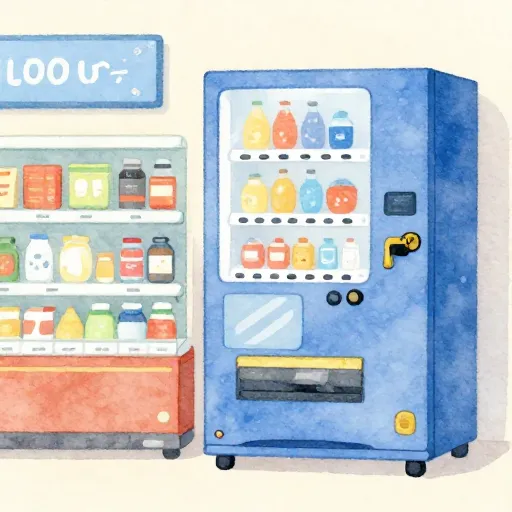
Vending machines are often 'convenience traps'. A bottle of water might cost £2 in a machine, but you can often buy a pack of six bottles for the same price at a supermarket. You are paying extra just for the machine to be close by!
The Satisfaction Curve
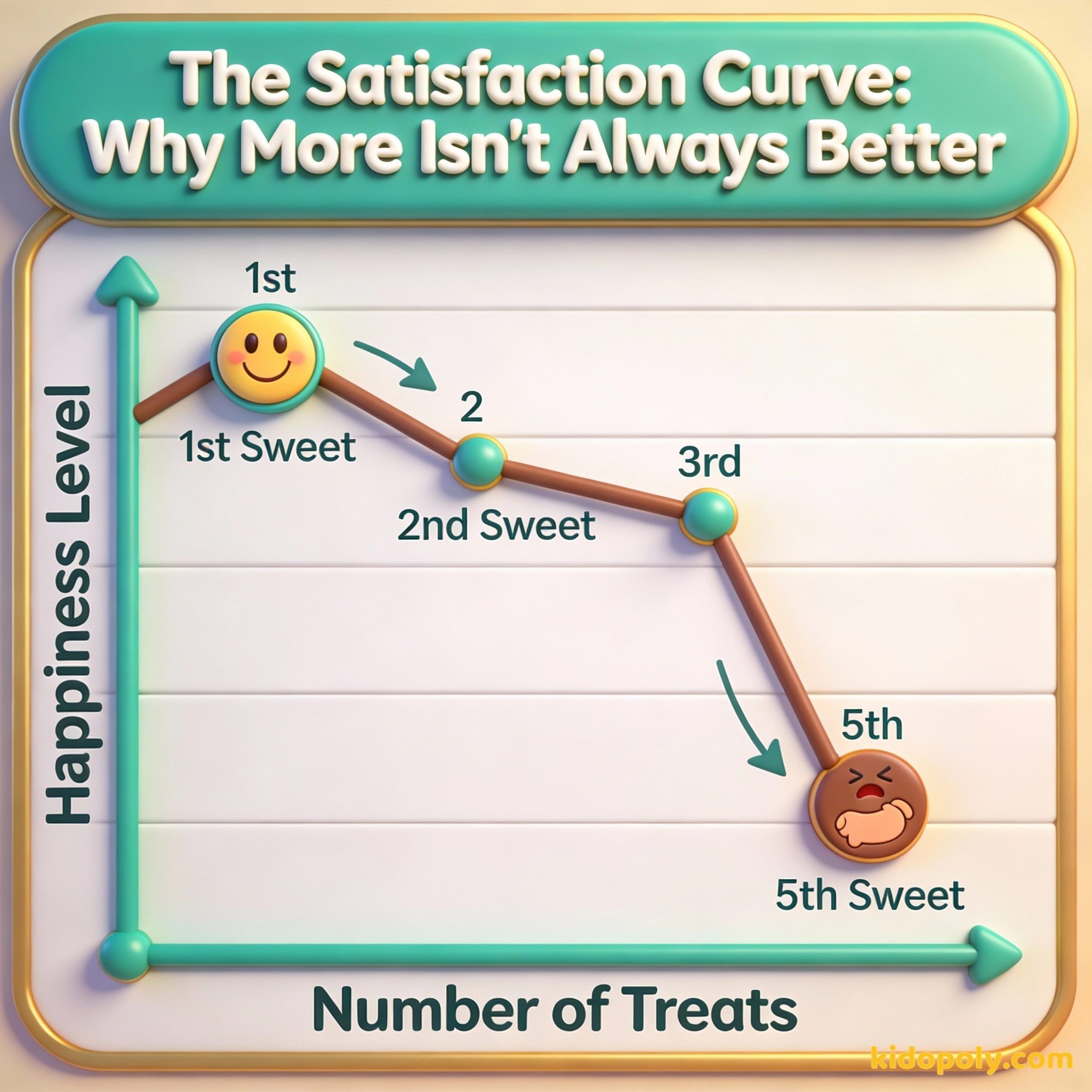
Did you know that the more you buy of something, the less you enjoy each piece? This is called the satisfaction curve. The first sweet you eat tastes amazing. The second is still great. By the tenth sweet, you might actually feel a bit sick.
Spending works the same way. Buying one new game is exciting. Buying five at once means you won't have time to enjoy any of them properly. Smart spending means knowing when you have 'enough'.
Become a Spending Detective
Before you spend a large amount of your savings, you should always do your research. A smart spender acts like a detective, looking for clues to see if a product is actually as good as the box says.
- Read reviews: Look for what people say after they have owned the item for a few months.
- Ask friends: If a friend already has the item, ask them: "Is it still fun, or is it gathering dust?"
- Check the competition: Is there a similar item that does the same thing for less?
Finn says:
"I used to buy the cheapest footballs, but they always popped. Now I buy the mid-range ones because they last the whole season!"

Too many people spend money they haven't earned, to buy things they don't want, to impress people they don't like.
Buying the cheapest option saves me money right now so I can buy more things.
Buying a higher-quality version might cost more today, but it saves money because I won't have to replace it.
Your Spending Toolkit
By using these tools, you are taking control of your money. You are moving from being a 'passive spender' who just reacts to adverts, to a 'smart spender' who makes their money work for them.
Remember, the goal isn't to never spend money. The goal is to spend it on things that truly make you happy for a long time.
Imagine your money is a team of tiny workers. Every time you spend a pound, you are sending one worker away. Smart spending is about making sure those workers only leave for a really important mission!
Something to Think About
If you could only buy one thing this whole month, what would it be and why?
There is no right or wrong answer here. Think about what brings you the most long-term happiness versus just a quick thrill.
Questions About Spending & Budgeting
Is spending money always bad?
How do I know if a review is honest?
What if I really want something that is on sale right now?
You are the Boss of Your Cash
Now that you have the tools, you can start practicing! Try using the three questions on your next purchase. Once you've mastered spending, why not see how these choices affect your budgeting-basics? Your future self will thank you!
