Homeschooling Statistics 2026 - Key Facts and Trends
For decades, homeschooling was seen as a fringe choice, but in 2026, it has firmly established itself as a mainstream educational path for millions of families. The data reveals a story not just of growth, but of diversification - parents from every background are prioritizing safety, personalization, and mental health over traditional institutional schooling. For families and educators alike, understanding these numbers is no longer optional; it is essential to grasping the future of childhood education.
Key Takeaways
- Homeschooling has stabilized at roughly 5-6% of the US student population, comprising over 3 million students.
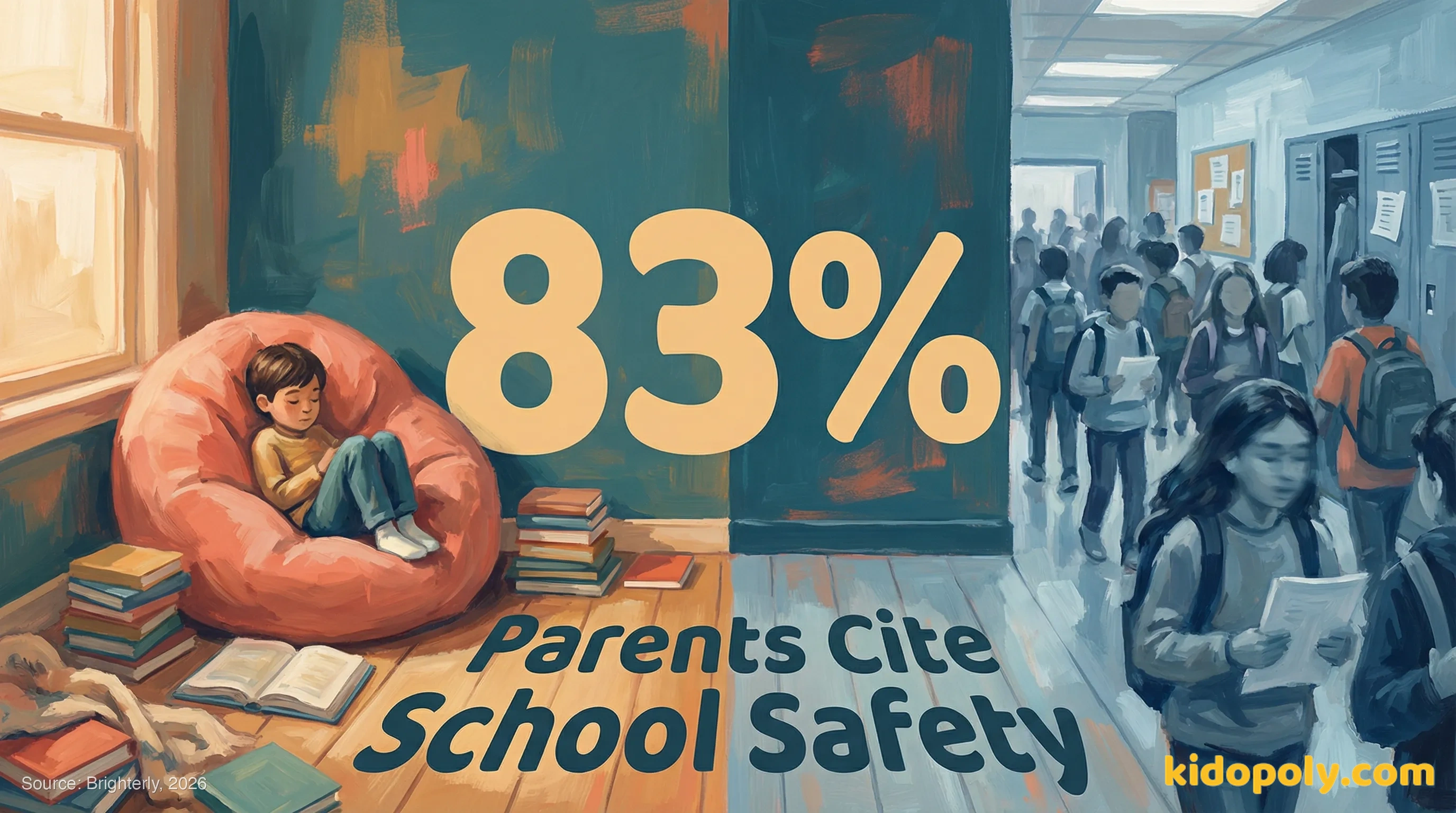
- Safety is the #1 driver, with 83% of parents citing school environment concerns like bullying and drugs.
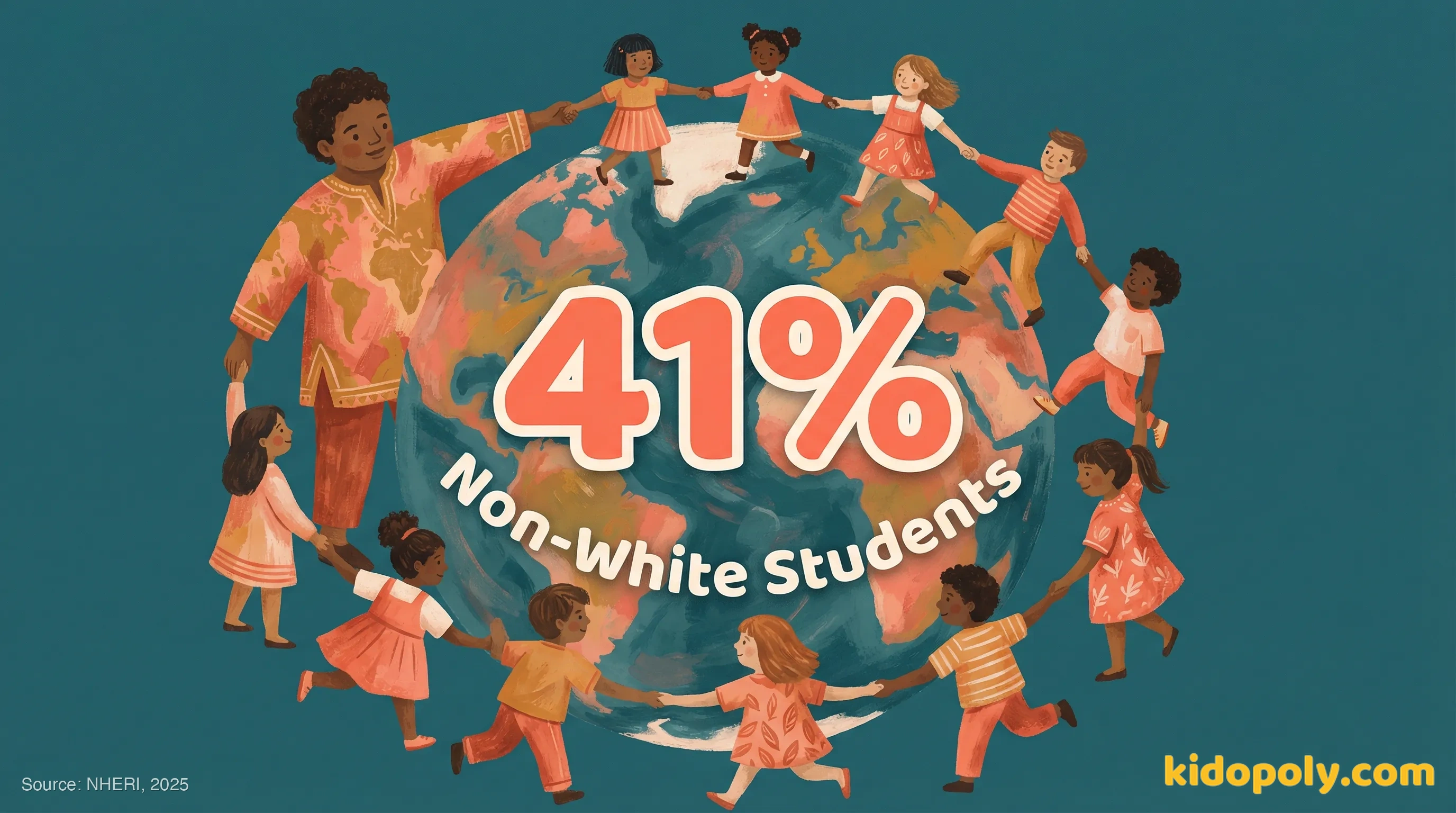
- The movement is diverse: 41% of homeschool students are non-white, with significant growth in Hispanic families.
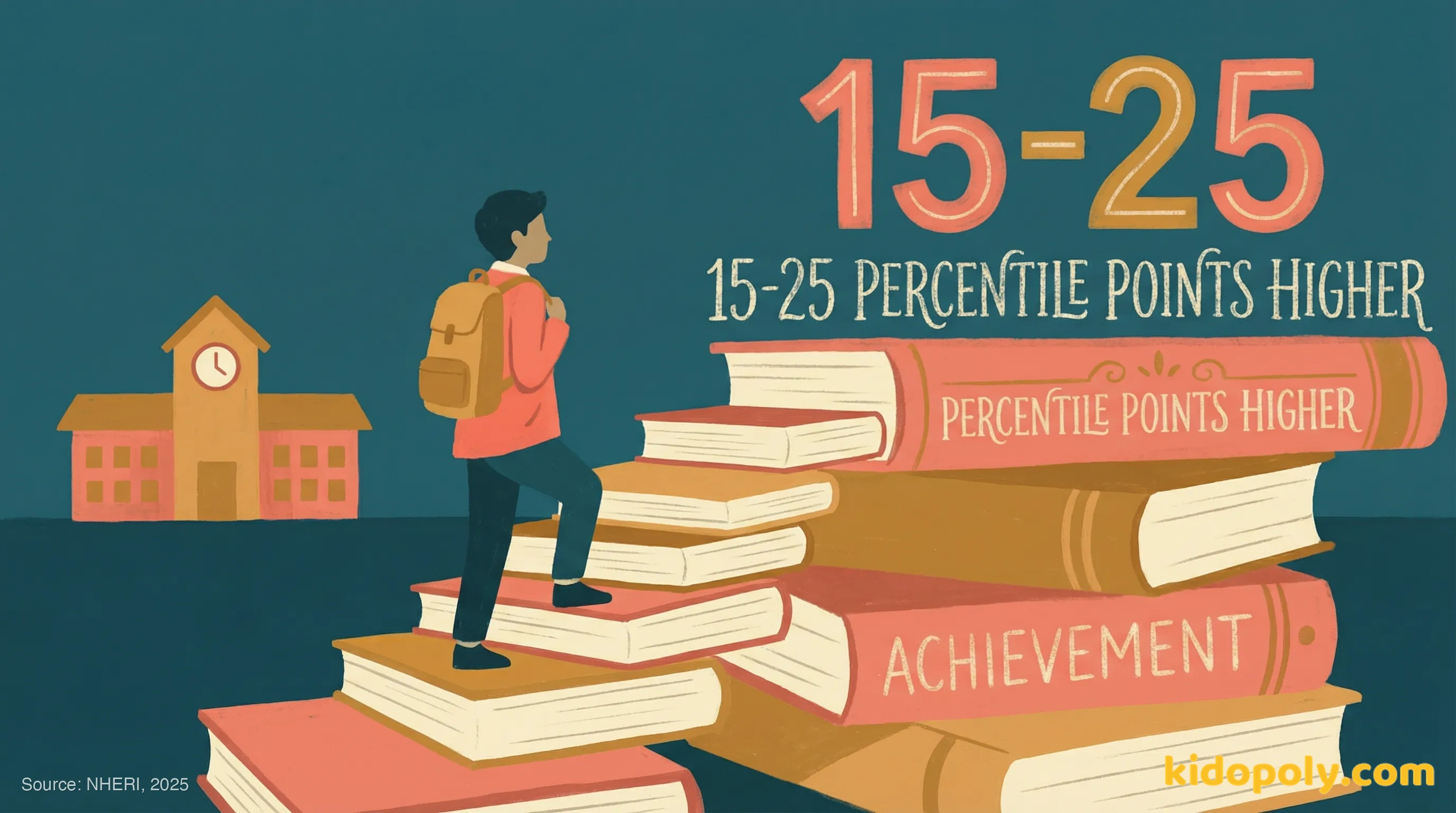
- Academic outcomes remain strong, with homeschoolers scoring 15-25 percentile points higher on standardized tests.
- Taxpayers save an estimated $51 billion annually due to families absorbing the cost of education.
Enrollment and Growth: The New Normal
Estimated Homeschooled Children in the US (2025)
Up from 1.5 million in 2018, representing a massive shift in educational choice.
Growth of Homeschooling Enrollment (Millions)
Top States for Homeschooling (Percentage of Students)
| State | Homeschool Rate |
|---|---|
| Alaska | 10.4% |
| North Carolina | 9.0% |
| South Dakota | 6.5% |
| Missouri | 6.4% |
| Idaho | 5.9% |
Why Families Are Choosing Home Education
Parents Citing School Safety/Environment as a Major Reason
Concerns include safety, drugs, and negative peer pressure.
Top Reasons for Homeschooling
| Reason | Percentage of Parents |
|---|---|
| Concern about school environment (safety, drugs, peers) | 80% |
| Desire to provide moral instruction | 75% |
| Emphasis on family life together | 75% |
| Dissatisfaction with academic instruction | 73% |
Source: National Center for Education Statistics (NCES) (2022)
Most Important Reason for Homeschooling
Source: National Center for Education Statistics (NCES) (2022)
Are parents choosing homeschooling because of special needs?
Demographics: A diverse Movement
Homeschool Students Who Are Non-White
The movement has diversified significantly, mirroring national demographics.
Homeschool Enrollment by Race/Ethnicity (Household Pulse Survey)
| Demographic | Percentage of Homeschool Population |
|---|---|
| White | 60% |
| Hispanic or Latino | 19% |
| Black | 12% |
| Two or more/Other races | 7% |
| Asian | 2% |
Academic and Social Outcomes
Percentile Points Higher on Standardized Tests
Homeschooled students consistently outperform public school peers academically.
Achievement Gap: Black Students
Does homeschooling affect a child's social skills?
Cost and Global Impact
Annual Estimated Cost of Education Per Student
| Education Type | Estimated Cost |
|---|---|
| Public School (Taxpayer Cost) | $16,446 |
| Homeschooling (Parent Cost) | $600 |
| Homeschooling (Curriculum/Activities Range) | $500 - $2,500 |
Homeschooled Children in the UK (2024)
Up from 92,000 the previous year, showing strong international growth.
Common Questions from Families
How much does homeschooling actually cost a family?
Is homeschooling really growing or was it just a pandemic phase?
How do homeschoolers fare in college admissions?
What Families and Educators Can Do
What Parents Can Do
- Research your state's specific regulations - states like Alaska have very different reporting requirements compared to states like Massachusetts.
- Connect with local co-ops immediately; socialization data shows success comes from active community engagement like sports and volunteering.
- Budget for the 'hidden' costs of homeschooling, such as field trips ($100-$300/year) and extracurriculars ($100-$500/year), not just textbooks.
What Educators Can Do
- View homeschooling families as partners, not competitors; 15% of parents choose homeschooling specifically due to dissatisfaction with academic instruction.
- Offer 'a la carte' access to school resources like band, sports, or advanced science labs to bridge the gap for local homeschoolers.
- Address the safety concerns cited by 83% of homeschooling parents by rigorously improving school climate and anti-bullying protocols.
Sources (4)
- 1. Brighterly: Homeschooling Statistics 2026 (2026) https://brighterly.com/blog/homeschooling-statistics/
- 2.
- 3. National Center for Education Statistics (NCES) (2022) https://nces.ed.gov/fastfacts/display.asp?id=91
- 4. Education Next: Census Bureau Data (2024) https://www.educationnext.org/new-u-s-census-bureau-data-confirm-growth-in-homeschooling-amid-pandemic/