Literacy Statistics 2026 - Key Facts and Trends
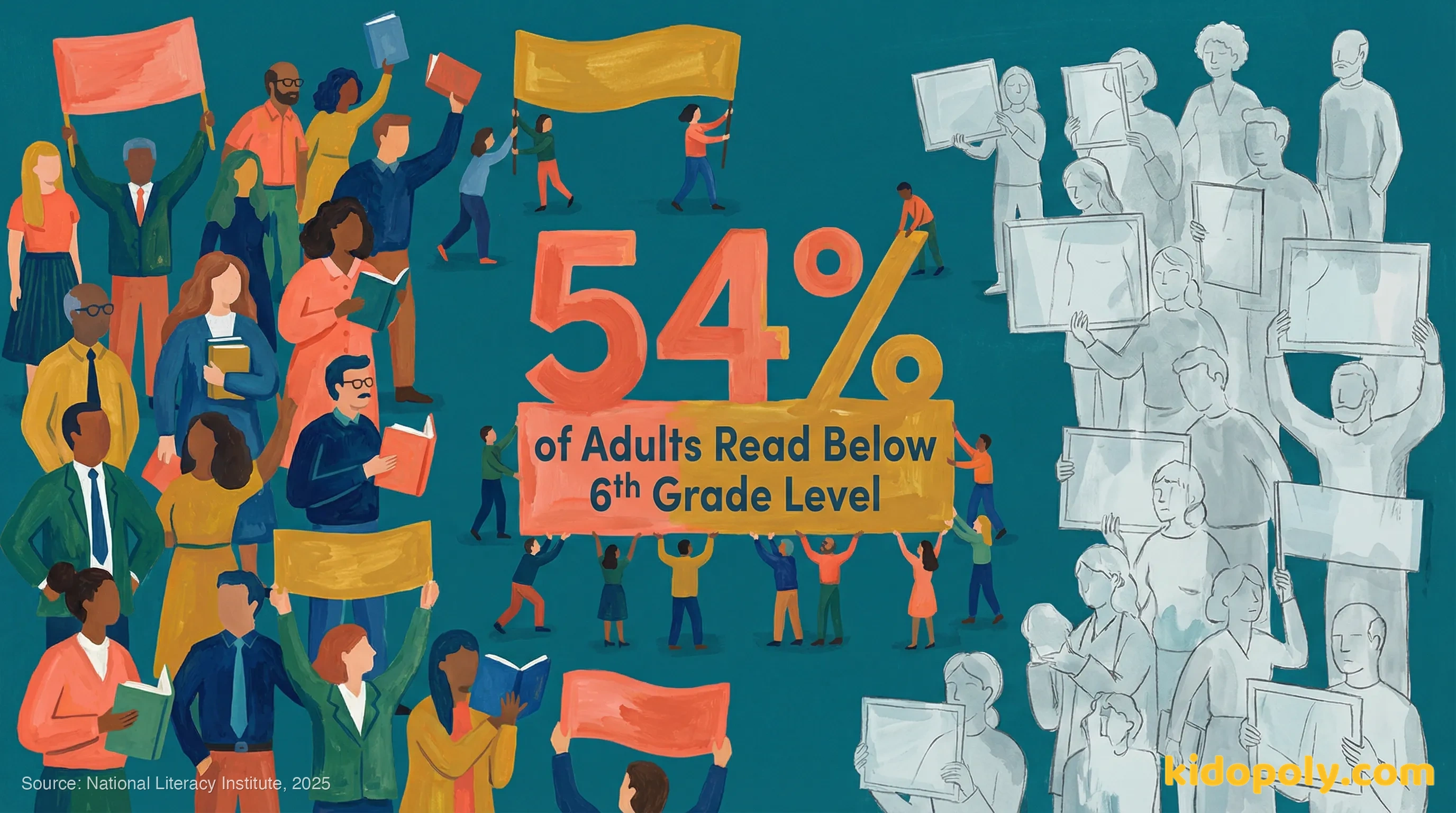
Reading isn't just a school subject; it is the foundation for a child's entire future. Yet, the latest data reveals a stark reality: 54% of U.S. adults read below a sixth-grade level, a statistic that ripples through families and the economy. For parents and educators, understanding these numbers is the first step toward closing the gap and ensuring every child has the tools to succeed.
Key Takeaways
- 54% of U.S. adults read below a 6th-grade level, costing the economy $2.2 trillion annually.
- Only 33% of 4th graders are proficient in reading, with 40% scoring below the basic level.
- 70% of U.S. prison inmates cannot read above a 4th-grade level.
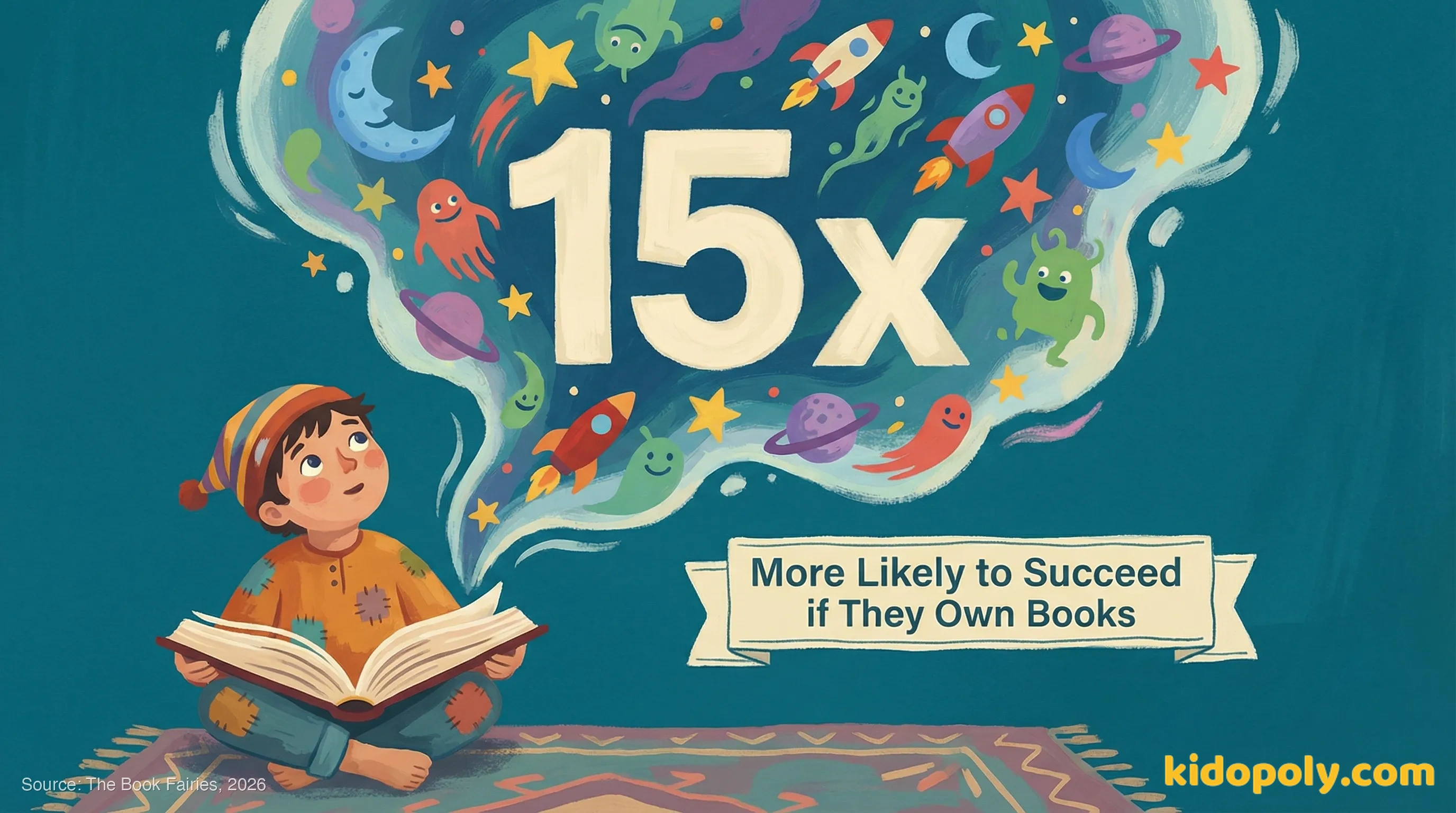
- Children who own books are 15 times more likely to read above their expected age level.
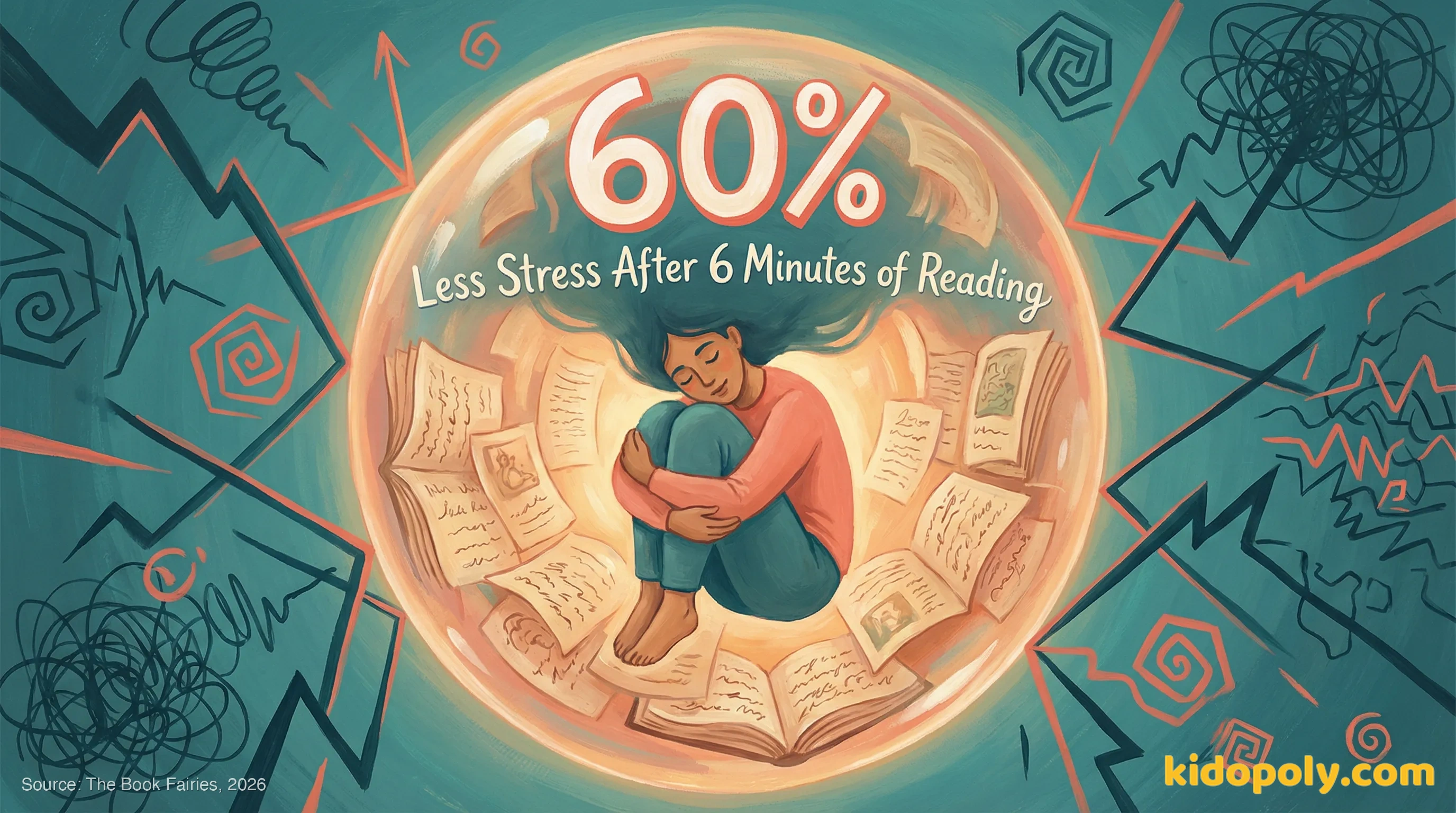
- Reading for just 6 minutes a day can reduce stress levels by 60%.
The State of Reading Proficiency
of 4th Graders Not Proficient
Only 33% of fourth-grade students performed at or above the NAEP Proficient level in reading.
Source: Brighterly: Child Literacy Statistics United States 2026 (2026)
4th Grade Reading Proficiency Levels (2024)
Source: Brighterly: Child Literacy Statistics United States 2026 (2026)
Below Basic Reading Level
The percentage of 4th graders scoring below the 'Basic' level is the highest recorded since 1992.
Source: Brighterly: Child Literacy Statistics United States 2026 (2026)
Adult Literacy & Economic Impact
Adults Struggle to Read
Approx. 54% of U.S. adults aged 16-74 lack literacy proficiency, reading below a 6th-grade level.
Source: National Literacy Institute: 2024-2025 Literacy Statistics (2025)
Adult Literacy Levels in the U.S. (2024-2025)
| Metric | Statistic | Impact |
|---|---|---|
| Illiterate | 21% | ~43 million adults |
| Below 6th Grade Level | 54% | Limited job options |
| Literate (Medium/High) | 79% | Fully functional skills |
Source: National Literacy Institute: 2024-2025 Literacy Statistics (2025)
of Young Adults Functionally Illiterate
Almost 5 million students ages 16-24 are functionally illiterate despite many holding high school diplomas.
Source: MetaMetrics: Declining Literacy Rates (Measured Insights) (2026)
The Achievement Gap
Highest and Lowest Literacy Rates by State (2026)
| State | Performance Group | Adult Literacy Rate |
|---|---|---|
| New Hampshire | Highest | 94.2% |
| Minnesota | Highest | 94.0% |
| North Dakota | Highest | 93.7% |
| California | Lowest | 76.9% |
| New York | Lowest | 77.9% |
| Florida | Lowest | 80.3% |
Source: World Population Review: U.S. Literacy Rates by State 2026 (2026)
8th Grade Students Scoring 'Below Basic' by Race (2024)
Source: Brighterly: Child Literacy Statistics United States 2026 (2026)
Higher Dropout Rate
Students in poverty with poor reading skills are 6 times less likely to graduate than proficient peers.
Source: Brighterly: Child Literacy Statistics United States 2026 (2026)
Global Comparisons
U.S. Global Rank
The United States ranks 36th in global literacy rates, trailing many developed nations.
Source: National Literacy Institute: 2024-2025 Literacy Statistics (2025)
Top Countries by Reading Achievement (PIRLS 2021)
| Country/System | Average Scale Score | Comparison to U.S. |
|---|---|---|
| Singapore | 587 | Higher |
| Hong Kong | 573 | Higher |
| Russia | 567 | Higher |
| United States (Bridge) | 548 | - |
| Australia | 540 | Lower |
Real-World Impact: Health and Society
of Inmates Cannot Read
Approximately 70% of inmates in U.S. prisons cannot read above a 4th-grade level.
Does reading actually improve my child's mental health?
of Juvenile Offenders
85% of youth involved in the juvenile court system are classified as functionally illiterate.
What Families and Educators Can Do
More Likely to Succeed
Children who own books are 15 times more likely to read above their age level than peers without books.
How many books do we need at home to make a difference?
What Parents Can Do
- Read to your child for at least 20 minutes a day; regular engagement improves test scores and reduces stress.
- Fill your home with books - owning books makes a child 15x more likely to read above grade level.
- Start early: children of adults with low literacy are 72% more likely to struggle, so modeling reading yourself breaks the cycle.
Sources (7)
- 1. Brighterly: Child Literacy Statistics United States 2026 (2026) https://www.brighterly.com/blog/literacy-statistics/
- 2. National Literacy Institute: 2024-2025 Literacy Statistics (2025) https://www.thenationalliteracyinstitute.com/2024-2025-literacy-statistics
- 3. MetaMetrics: Declining Literacy Rates (Measured Insights) (2026) https://www.metametrics.com/resources/measured-insights-february-2026/
- 4. World Population Review: U.S. Literacy Rates by State 2026 (2026) https://worldpopulationreview.com/state-rankings/us-literacy-rates-by-state
- 5. PIRLS 2021 International Results in Reading (2023) https://pirls2021.org/results/achievement/overall/
- 6. Regis College: Child Illiteracy in America (2024) https://online.regiscollege.edu/blog/child-illiteracy
- 7.
