Single Parent Statistics 2026 - Key Facts and Trends
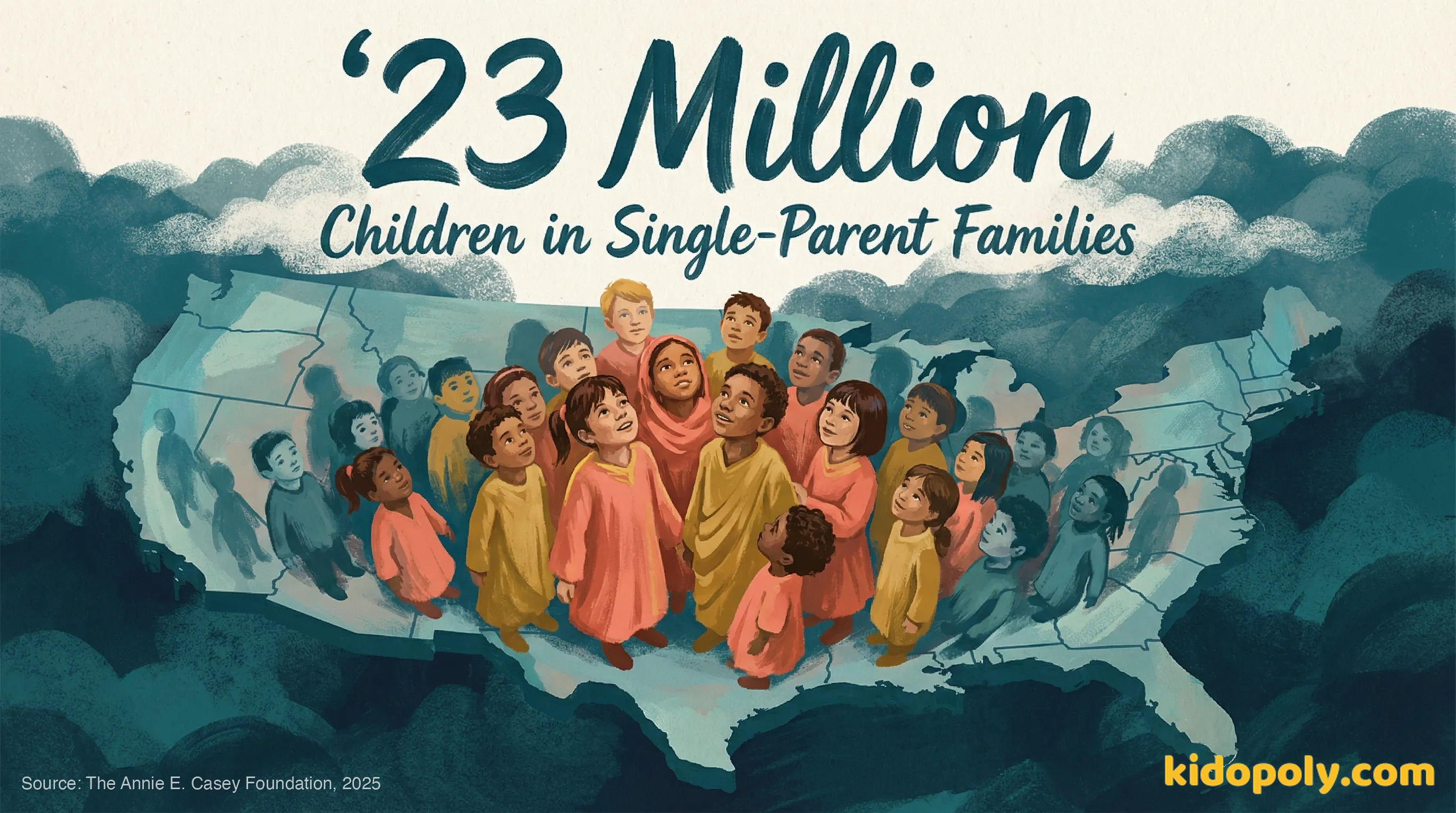
For millions of families, the 'village' it takes to raise a child looks different than it did a generation ago. Today, the United States has the world's highest rate of children living in single-parent households, a reality that shapes the daily lives of over 23 million kids. For parents and educators, understanding these numbers isn't about labeling families - it's about recognizing the resilience required to parent alone and identifying where schools and communities can step in to fill the gaps.
Key Takeaways
- The U.S. has the world's highest rate of children living in single-parent households at 23%.
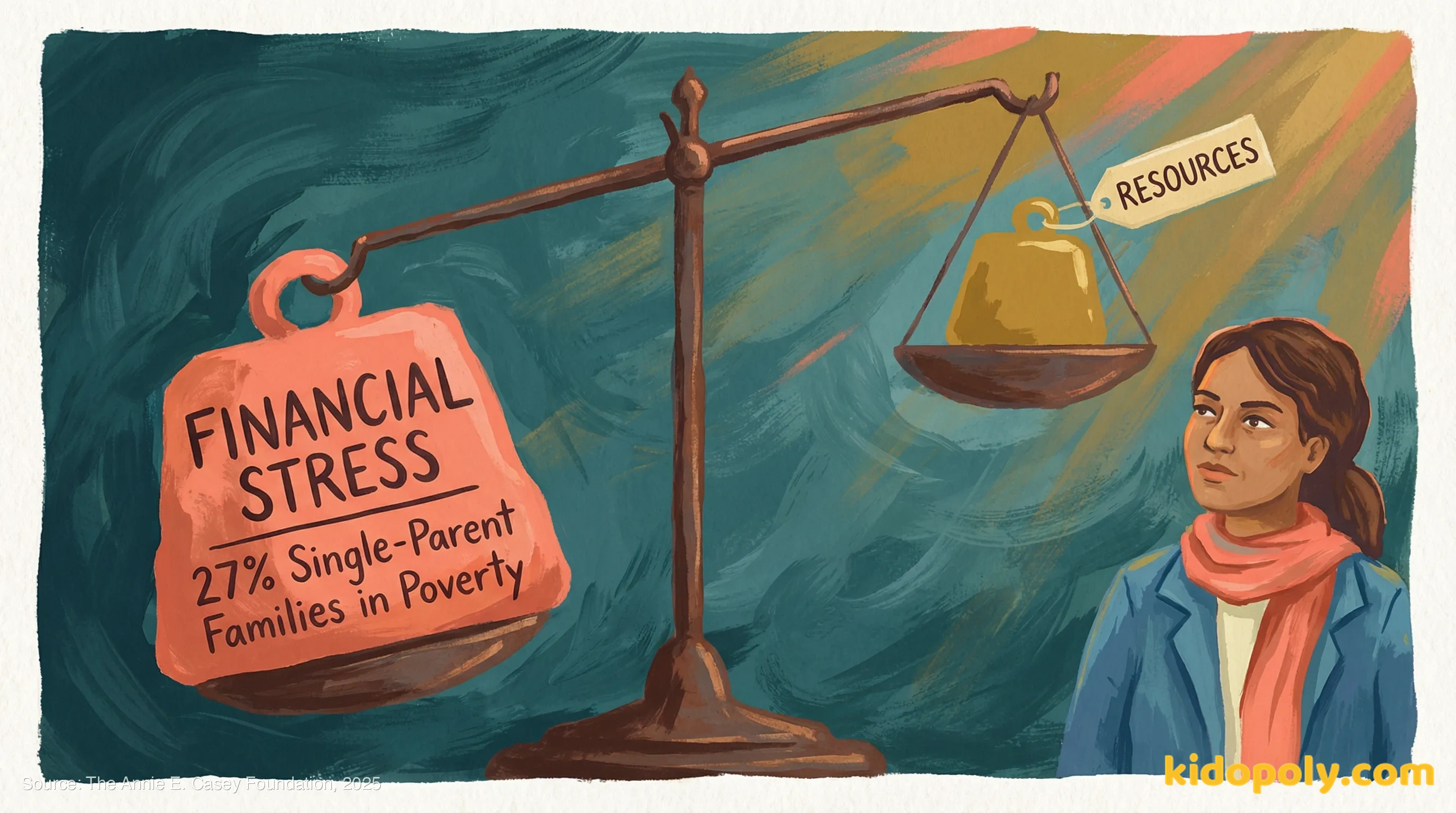
- 27% of single-parent families live below the poverty level, compared to 6% of married-couple families.
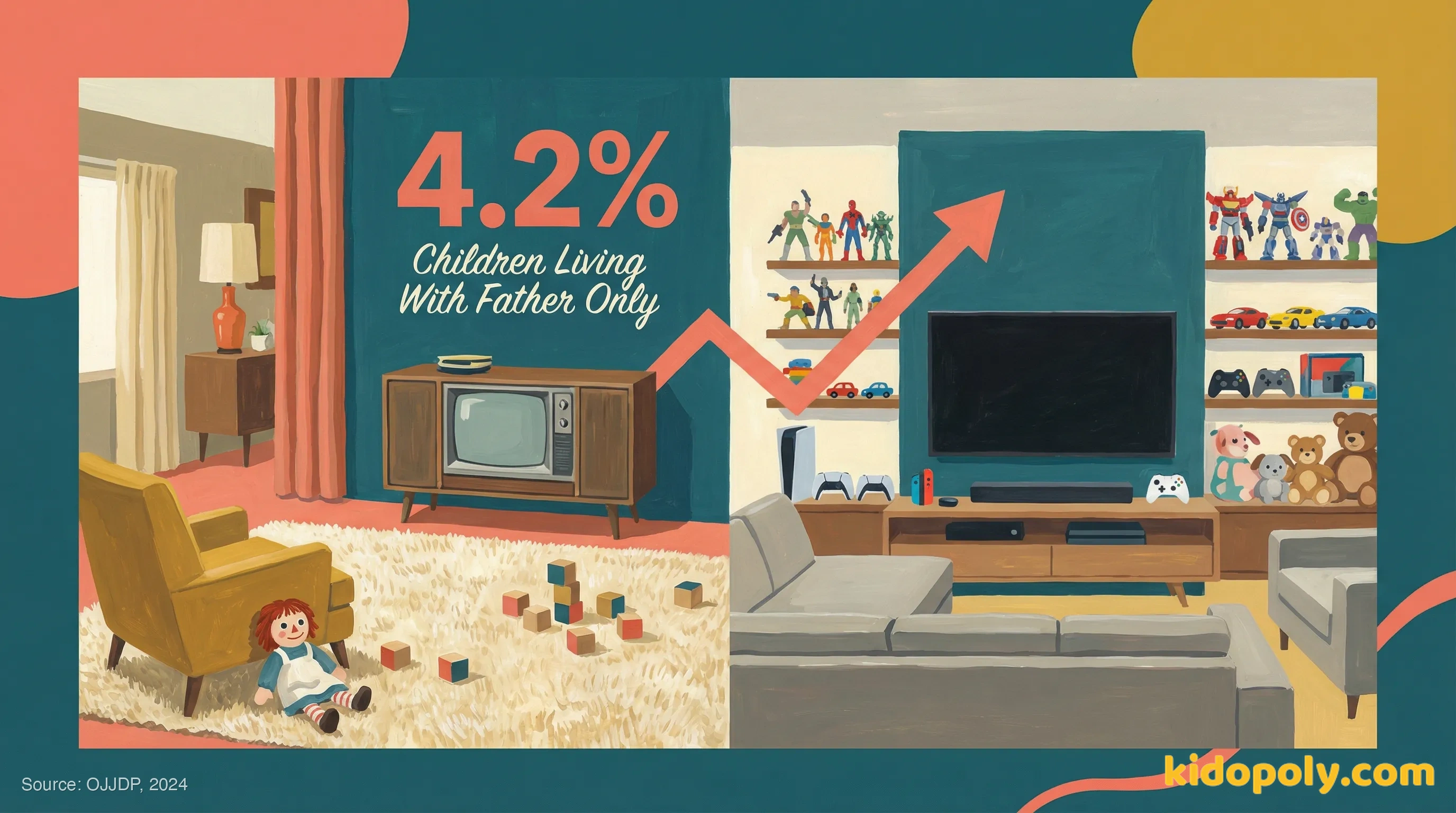
- Since 1970, the percentage of children living with only their father has nearly quadrupled to 4.2%.
- Single mothers are 7 times more likely to live in poverty than married couples.
- Racial disparities are significant: 64% of Black children live in single-parent families compared to 24% of White children.
The Scale of Single Parenting
Children in single-parent families in the U.S.
This represents about one in every three kids across America.
of U.S. children live with one parent and no other adults
More than three times the global average of 7%.
Source: Pew Research Center (2019)
Share of Children in Single-Parent Households (Global Comparison)
| Country | Share of Children |
|---|---|
| United States | 23% |
| Canada | 15% |
| India | 5% |
| Nigeria | 4% |
| China | 3% |
Source: Pew Research Center (2019)
A Look at the Families
Percentage of Children in Single-Parent Families by Race (2023)
| Race/Ethnicity | Percentage |
|---|---|
| Black | 64% |
| American Indian / Alaska Native | 50% |
| Latino | 42% |
| Multiracial | 38% |
| White | 24% |
| Asian and Pacific Islander | 16% |
Distribution of Children in Single-Parent Families by Parent Type
College students raising children without a partner
Balancing higher education with solo parenting duties.
Source: The Life of a Single Mom (2024)
How Family Structures Have Changed (1970-2023)
Rise of Single-Parent Living Arrangements (1970-2023)
Shift in Living Arrangements for U.S. Children
| Living Arrangement | 1970 | 2023 |
|---|---|---|
| Living with two parents | 85.2% | 71.1% |
| Living with mother only | 10.8% | 20.9% |
| Living with father only | 1.1% | 4.2% |
The Economic Challenge
of single-parent families live below the poverty level
Compared to just 6% of married-couple families.
Higher poverty likelihood for single mothers
Single mothers are seven times more likely to live in poverty than married couples.
Source: The Life of a Single Mom (2024)
States with Highest Share of Single-Mom Households (2024)
| State/District | Share of Households |
|---|---|
| Washington D.C. | 29% |
| Mississippi | 24% |
| Louisiana | 23% |
| Alabama | 20% |
| Georgia | 20% |
Source: Visual Capitalist (2024)
Common Questions from Parents & Educators
Are single-parent kids less likely to finish school?
How does single parenting affect a child's mental health?
Do most single parents receive government assistance?
Is the number of single fathers increasing?
Does living with a single parent mean a child will live in poverty?
What We Can Do
What Schools Can Do
- Audit school schedules and event times to ensure they don't exclude working single parents who cannot swap shifts.
- Provide access to trauma-informed support services, as children in changing family structures may experience higher levels of stress.
- Avoid language that assumes a 'two-parent' norm in communications (e.g., addressing letters to 'parents' rather than 'mom and dad').
What Communities & Policymakers Can Do
- Strengthen financial safety nets, including affordable housing and paid family leave, which directly reduce parental stress.
- Expand access to high-quality early childhood education, supporting both child development and parental employment.
- Create 'two-generation' community strategies that build job skills for adults while providing education for kids.
Sources (5)
- 1.
- 2. The Annie E. Casey Foundation (2025) https://www.aecf.org/blog/child-well-being-in-single-parent-families
- 3. OJJDP Statistical Briefing Book (2024) https://www.ojjdp.gov/ojstatbb//population/qa01201.asp?qaDate=2023&text=yes&print=yes&maplink=link2
- 4. The Life of a Single Mom (2024) https://thelifeofasinglemom.com/single-mom-statistics-the-truth-about-single-moms/
- 5. Visual Capitalist (2024) https://www.visualcapitalist.com/mapped-the-share-of-single-mom-households-in-each-u-s-state/