
Slavery Ends, The Beatles Climb Charts!
Welcome to February 1st, a day packed with history that truly changed the world! We’re jumping from the serious step of abolishing slavery in the US to the birth of modern music in America. Plus, get ready to meet some super-smart dictionary makers! February 1st proves that big events can happen in politics, culture, and even word-nerd history on the very same day.
Did you know that on this day in 1865, President Lincoln signed the 13th Amendment, a massive step in American history? Just a few years later, on February 1, 1964, The Beatles hit their first US number one! It’s wild how one date can hold moments of deep change and moments of pure, fun excitement.
What Happened on This Day
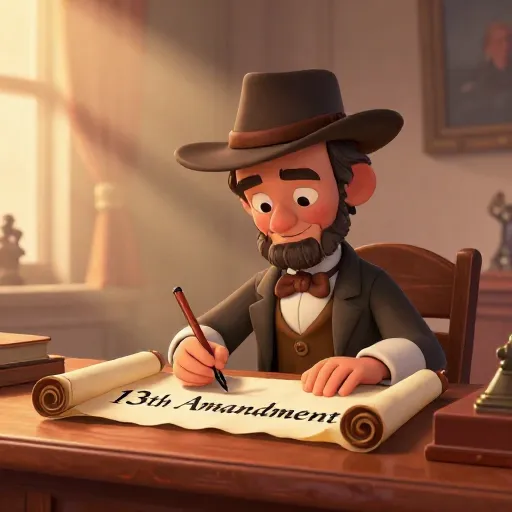
Lincoln Signs the 13th Amendment to End Slavery
This was a HUGE day for freedom in the United States! President Abraham Lincoln signed the 13th Amendment to the Constitution. Think of an amendment like a super-important rule added to the country's main rulebook. This one officially declared that slavery was over everywhere in the U.S. It took a long, hard fight to get here, and this signing was a massive victory for human rights and equality for millions of people.
Learn more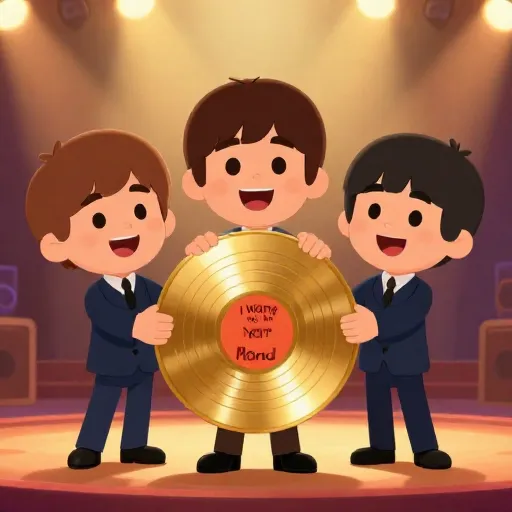
The Beatles Conquer America: 'I Want to Hold Your Hand'
Imagine four lads from Liverpool suddenly becoming the biggest band in the entire world! On February 1, 1964, The Beatles scored their very first Number One hit in the USA with the catchy tune, 'I Want to Hold Your Hand.' This moment kicked off 'Beatlemania' in America. It was the start of a musical revolution that changed pop music forever—talk about a catchy tune making history!
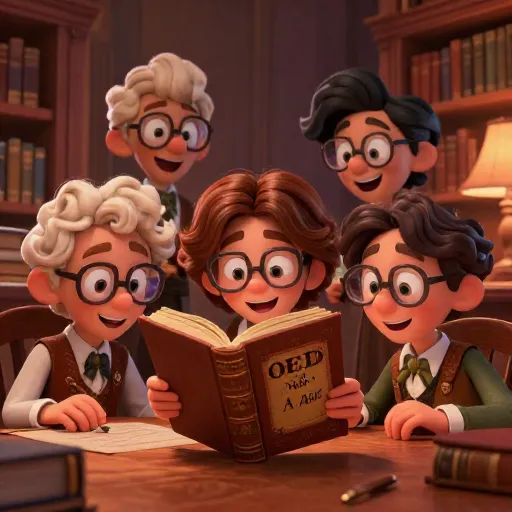
The Dictionary Giants Publish Their First Volume
The Oxford English Dictionary (OED) is like the ultimate encyclopedia for the English language—it has *all* the words! On February 1, 1884, the very first part (called a fascicle) finally came out. It only covered words starting with A to Ant! It took the dedicated editors and workers nearly 40 years to finish the whole thing. Imagine writing a dictionary so big it takes a lifetime to complete!
Learn more
Greensboro Sit-In Sparks the Civil Rights Movement
Four brave college students in Greensboro, North Carolina, decided they were tired of being treated unfairly. They walked into a Woolworth's lunch counter and simply sat down, asking to be served—even though they were refused service because of the color of their skin. This peaceful 'sit-in' was an act of powerful, non-violent protest. It caught on fast and became a major spark that helped fuel the fight for civil rights across the country.
Learn more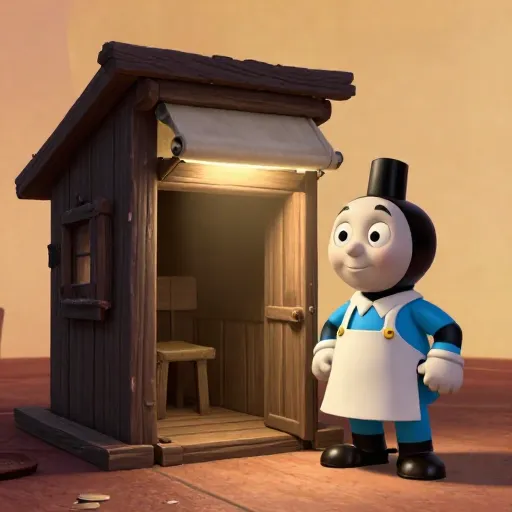
Thomas Edison Films His First Movie Scene
Before you could stream movies or watch cartoons on a tablet, someone had to invent a way to film moving pictures! On February 1, 1893, Thomas Edison finished building his first motion picture studio, nicknamed the 'Black Maria,' in New Jersey. This little shack was where he shot his very first moving films. Think of it as the world's first tiny, slightly goofy movie set for the biggest inventor around!
Learn moreFun Facts About February 1
- February 1st is the official start of Black History Month in the United States!
- Texas voted to leave the USA and join the Confederacy on this day in 1861.
- In 1946, the very first United Nations Secretary-General, Trygve Lie, was chosen.
- The huge Mayon Volcano in the Philippines had one of its deadliest eruptions on Feb 1, 1814.
A Look Back in Time
February 1st often marks crucial turning points! The 1860s event with Lincoln showed a huge shift towards equality after a devastating war. The 1960s sit-ins highlight the power of young people demanding fairness peacefully, setting the stage for major social change. Meanwhile, in the world of technology and culture, we see the slow, massive labor of creating something lasting, like a giant dictionary, alongside the sudden, energetic explosion of pop culture with The Beatles. It’s a day where deep foundation-laying meets chart-topping fun.
Born on This Day
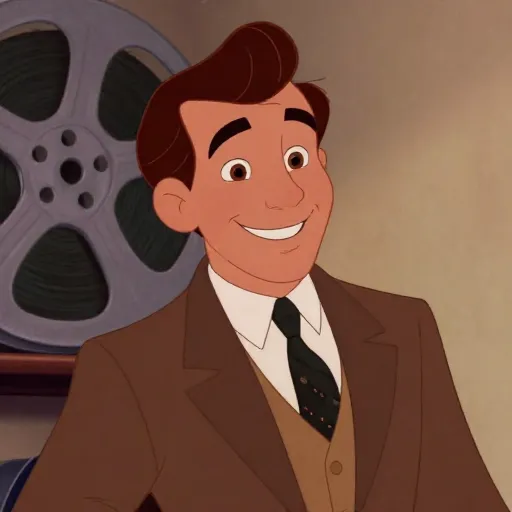
Clark Gable
Known as the 'King of Hollywood,' Clark Gable was a super famous American movie star, especially famous for his role in the classic film *Gone with the Wind*. He had a dashing smile and was one of the biggest leading men of the 1930s and 40s. He even won an Oscar!
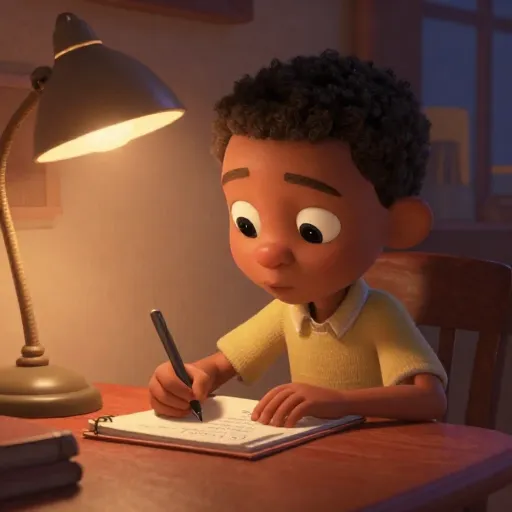
Langston Hughes
Langston Hughes was an amazing American poet, writer, and leader of the Harlem Renaissance. He wrote beautiful and powerful poems that captured the everyday life and struggles of African Americans. His words helped change how people saw art and history in America.
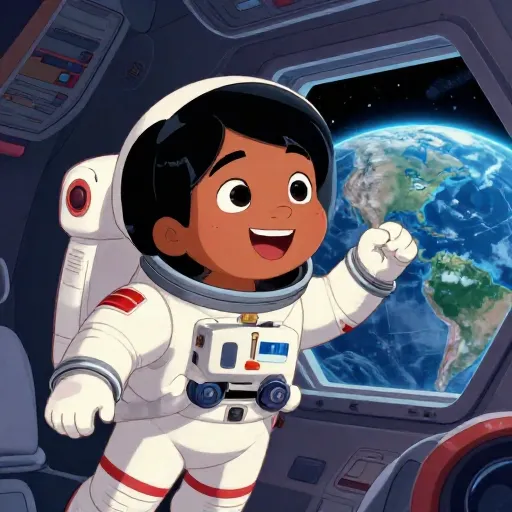
Kalpana Chawla
Kalpana Chawla was an incredible Indian-American engineer and astronaut who made history as the first woman of Indian origin in space! She flew on two Space Shuttle missions. Sadly, she was lost with the Columbia crew in 2003, but her bravery inspires future explorers every day.
Learn more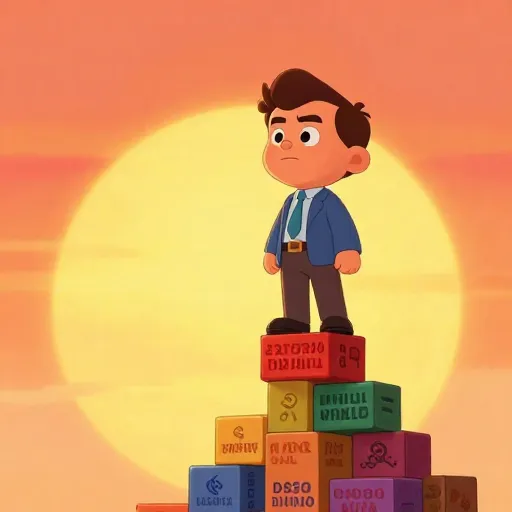
Boris Yeltsin
Boris Yeltsin was a very important Russian politician who became the first-ever President of the Russian Federation after the Soviet Union broke up. Leading a huge country through such a massive change was a tough job! He was a key figure in world events in the early 1990s.
Learn more