Stars, Stripes, and Space Monkeys!
Welcome to History's Not Boring for June 14th! Today, we celebrate the birth of something totally iconic: the U.S. flag! We’ll also jump to the Space Age to meet a brave little traveler. Plus, a medieval city gets its official name. Get ready for some truly awesome history that’s anything but dusty!
Did you know that on this date, the USA officially adopted the 'Stars and Stripes'? Imagine the sewing work! That same national pride was echoed centuries earlier when a medieval German town was founded. From ancient pride to modern space travel, June 14th is a day where flags were waved for very different reasons!
What Happened on This Day
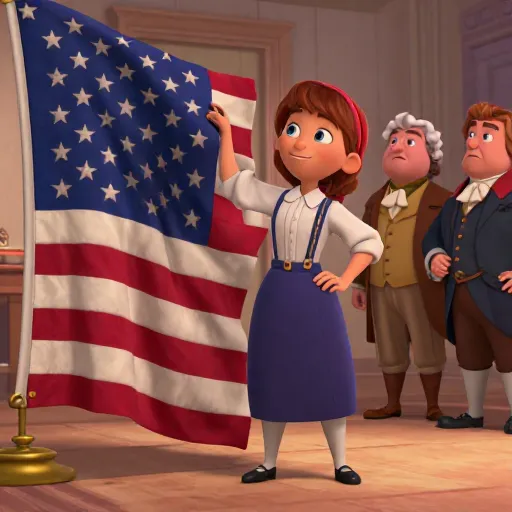
The Stars and Stripes Flag is Adopted!
Imagine being a brand-new country trying to figure out what your flag should look like! On June 14, 1777, the Second Continental Congress decided on the very first design for the United States flag—the 'Stars and Stripes' with thirteen stripes and thirteen stars. It’s like picking the perfect team colors! This decision is why Americans celebrate Flag Day every year on this very date. Pretty cool that a simple piece of cloth holds so much history, right?
Learn more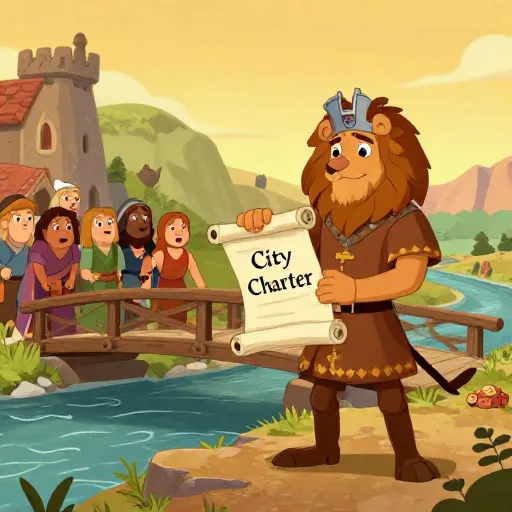
The City of Munich is Officially Founded
Long, long ago, in what is now Germany, a powerful leader named Henry the Lion decided he wanted a city right by the River Isar. On June 14, 1158, he officially founded the city of Munich! Think of it like buying a plot of land and officially calling it 'My Awesome Town.' This city grew from a small settlement into a major European hub. Imagine having a birthday that marks the official birth certificate of a whole city!
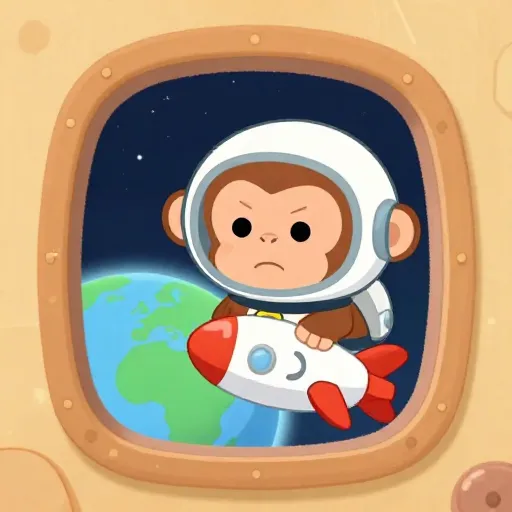
The First Monkey in Space Takes Flight
Forget Lassie on TV—in 1949, a rhesus monkey named Albert II became the first primate in space! Launched by the US in a captured German V-2 rocket, Albert reached 83 miles up. That's way past the clouds! While it was a quick trip and sadly, Albert didn't make it back safely, this flight was a huge, brave step for space exploration. It proved that living things could survive the wild ride into the upper atmosphere, paving the way for human astronauts later on.
Learn more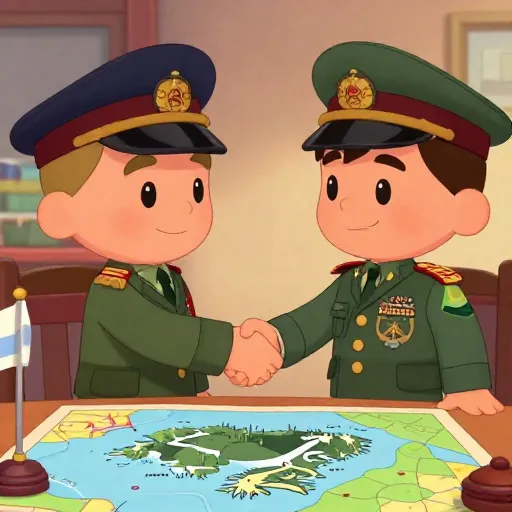
The Falklands War Ends with a Surrender
After 74 days of intense fighting between the UK and Argentina over a group of islands called the Falklands, the war finally ended on June 14, 1982. Argentine forces surrendered to the British troops in the main town of Stanley. It was a big moment that settled a long-running dispute over who should control the islands. Think of it like a super serious, international game of tug-of-war that finally stopped when one side dropped the rope!
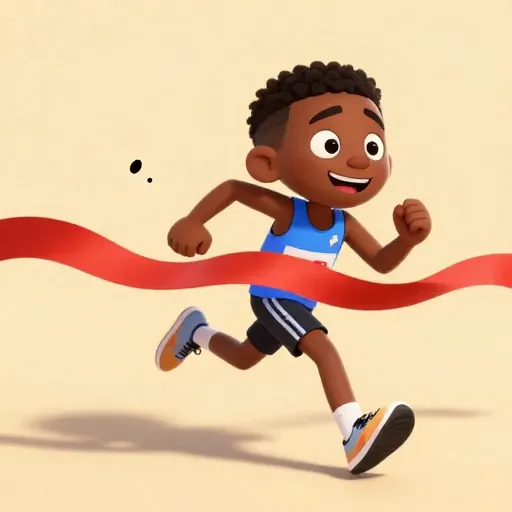
A Super Speedy 100-Meter Dash World Record
Talk about speed! On this day in 2005, Asafa Powell from Jamaica absolutely smashed the world record for the 100-meter sprint, crossing the finish line in a mind-blowing 9.77 seconds! That’s faster than you can probably snap your fingers more than twice! This record stood for a while and made Powell one of the fastest men ever. Imagine trying to catch a picture of him—he’d already be done!
Fun Facts About June 14
- June 14th is officially celebrated as Flag Day in the United States!
- Albert II, the monkey in space, traveled 83 miles high in 1949.
- The first Canadian Parliament opened in Kingston on this day in 1841.
- The first batch of Bourbon whiskey was reportedly distilled in Kentucky on June 14th!
A Look Back in Time
June 14th often falls during the early summer in the Northern Hemisphere, which is why we see events like the start of the US Army (1775) and the adoption of the flag (1777)—it’s a time of new beginnings and national pride! This date bridges eras, from the founding of medieval Munich to the beginning of the Space Race with Albert II. It also marks the end of a modern conflict, the Falklands War in 1982, showing how history is always being made, whether with flags, rockets, or on battlefields.
Born on This Day

Harriet Beecher Stowe
Harriet was an amazing author who wrote *Uncle Tom's Cabin*, a powerful book that showed the harsh reality of slavery. Her story was so moving that it helped change how many people thought about freedom and fairness in the United States. What a way to use words as a superpower!
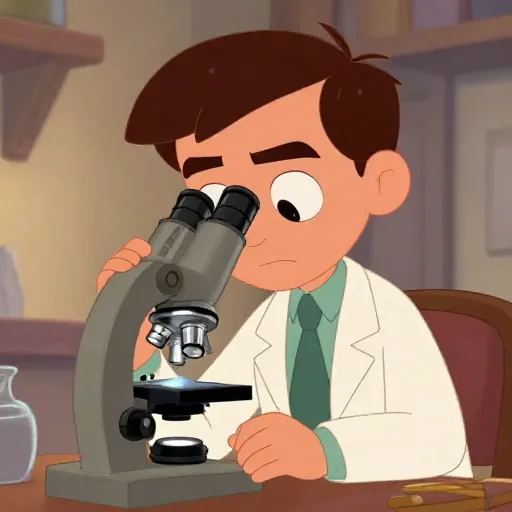
Alois Alzheimer
Dr. Alois Alzheimer was a German doctor who studied the brain. He was the first person to describe the disease we now call Alzheimer's disease. He spent his life trying to understand how the brain works and why sometimes it struggles as people get older. A super important brain scientist!
Learn more
Margaret Bourke-White
Margaret was a super brave photographer who helped create *Life* magazine! She was the first woman accredited as a war correspondent during World War II, capturing powerful images from the front lines and even concentration camps. She showed the world what was happening with her camera lens. Talk about capturing history!

Che Guevara
Ernesto 'Che' Guevara was an Argentine doctor who became a famous revolutionary figure, especially known for his role in the Cuban Revolution. He believed strongly in fighting for the poor and against powerful governments. His image, often seen with his beret and star, became an icon for change around the world.