It's June 29th: Phones, Speedboats, and High Courts!
Welcome to June 29th on History's Not Boring! Today is a wild mix of days—from explorers discovering new lands to modern tech giants changing how we text. We've got stories about epic journeys, super-fast rides, and even a time the highest court in the US pressed the pause button on the death penalty. Let's dive into the past!
Get ready for a double dose of incredible speed! In 1927, pilots made history by flying across the Pacific Ocean, and in 1986, Richard Branson blitzed across the Atlantic in a speedboat, setting a new speed record. It proves that when humans are determined, they can move faster than ever, whether by plane or by powerboat!
What Happened on This Day
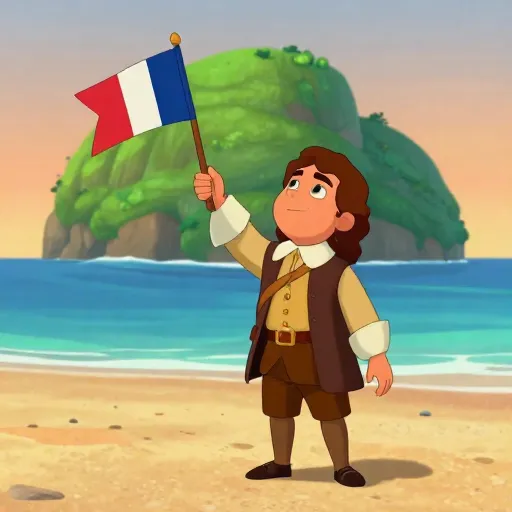
Explorer Jacques Cartier Reaches Island Paradise
French explorer Jacques Cartier was sailing around what is now Canada when he landed on a beautiful island on June 29, 1534. He thought it was so gorgeous, calling it the 'best-tempered region one can possibly see!' He claimed the land for France, and that island is what we now know as Prince Edward Island. Imagine being the first person from your country to see a whole new place—what an adventure!
Learn more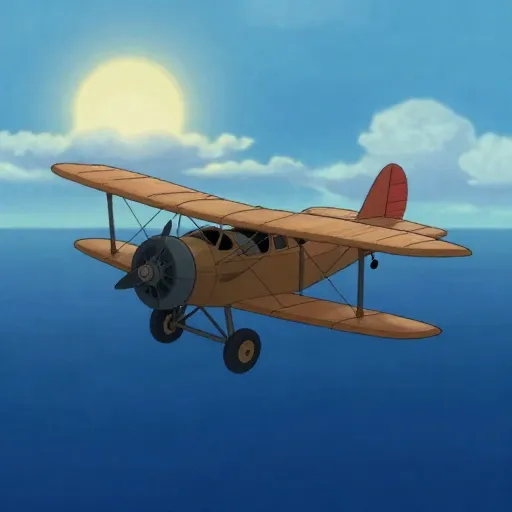
First Flight Across the Huge Pacific Ocean
Flying from the US mainland to Hawaii seemed like an impossible dream until June 29, 1927! Two U.S. aviators, Lester Maitland and Albert Hegenberger, completed the first successful flight across the massive Pacific Ocean. Their plane, the 'Bird of Paradise,' took over 25 hours! Think about that—your longest video game session is probably shorter than their flight time. This really pushed what people thought was possible in aviation.
Learn more
The United States Gets Its Interstate Highways
President Dwight D. Eisenhower signed the Federal-Aid Highway Act, kicking off the creation of the massive U.S. Interstate Highway System! Imagine connecting almost every major city with super-fast, multi-lane roads—it was like giving the whole country a major system upgrade! Eisenhower was inspired by Germany’s Autobahn during WWII and knew better roads meant better defense and easier travel. Goodbye, bumpy dirt roads; hello, superhighways!
Learn more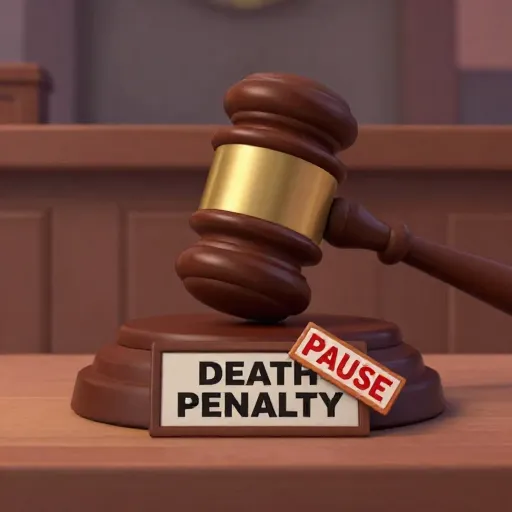
Supreme Court Pauses the Death Penalty
In a 5-4 vote, the U.S. Supreme Court ruled that the way the death penalty was being used at the time was unconstitutional—it violated the Eighth Amendment against 'cruel and unusual punishment.' This decision temporarily stopped all executions in the US and freed over 600 people on death row! It was a huge, controversial decision that made states rethink how they wrote their laws about serious punishments. It shows that laws can change when people question if they are fair.
Learn more
The First Super-Smart Phone Hits the Shelves
Remember when phones were just for calling and maybe a simple game of Snake? That changed when Apple released the very first iPhone on June 29, 2007! It wasn't just a phone; it was a tiny computer with a big, beautiful touchscreen that you could swipe and pinch. It kicked off the smartphone revolution we live in today. People waited in super long lines just to be the first to get one!
Learn moreFun Facts About June 29
- In 1986, Richard Branson broke the Atlantic speed record in a boat called the Virgin Atlantic Challenger II.
- On this day in 1972, the US Supreme Court temporarily halted all death penalty sentences.
- The world's first Miss Universe pageant was held on June 29, 1952, and a Finn named Armi Kuusela won!
- The United States National Forest Service was established on June 29, 1891.
A Look Back in Time
June 29th sits right at the start of summer in the Northern Hemisphere, often feeling like a time for movement and big changes! The events span from the Age of Exploration in the 16th century, showing early European contact with North America, to the mid-20th century when America was rapidly building up its infrastructure for cars and defense with the Interstate System. The later 20th and 21st-century events show how quickly technology and legal systems can evolve—from dramatic artistic choices like a dancer defecting (Mikhail Baryshnikov on this date in 1974) to the launch of the device that put the internet in everyone's pocket.
Born on This Day
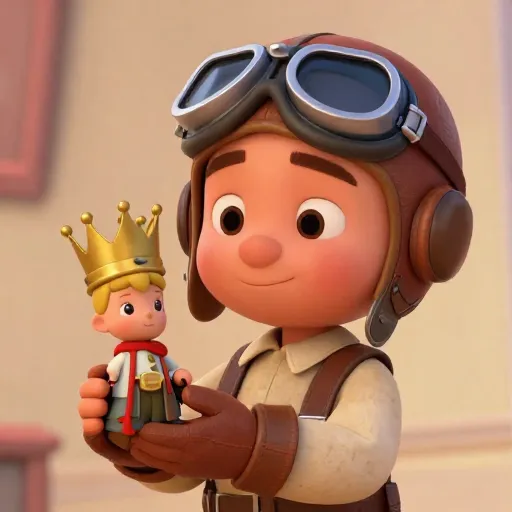
Antoine de Saint-Exupéry
This French pilot and writer gave us one of the most beloved children’s stories ever: *The Little Prince*! He flew planes for a living and turned his incredible adventures in the sky into poetic books before mysteriously vanishing during a flight in WWII.

William Mayo
Dr. William Mayo was a brilliant surgeon who, along with his brother and father, co-founded the world-famous Mayo Clinic in the USA. They were pioneers, inventing new ways to perform operations and treating patients from all over! Talk about a family business in helping people!
Learn more
Julia Lathrop
Julia Lathrop was a champion for kids! She became the very first woman to lead a U.S. federal bureau—the Children’s Bureau. She fought hard to investigate and improve conditions for children, tackling issues like child labor and infant health. What a trailblazer!

Giacomo Leopardi
Giacomo was an Italian poet and philosopher known for his deep, sometimes sad, but beautiful poetry. He loved learning so much as a kid that he taught himself Greek and Latin, but it made him pretty unhealthy. His writing explored big ideas about life and nature.