From Firsts to Famous Art Museums!
Get ready, history explorers! November 7th has a mix of awesome moments, from giant leaps for women in politics to the birth of world-changing science. It’s a day where new ideas—whether in government or on canvas—made their mark. Let’s dive into the archives and see what cool things went down on this date!
Did you know that on this day, a woman shattered a political ceiling to become the first female member of the U.S. Congress? Also, later on, a major museum opened its doors, changing how people see art forever! It’s a reminder that history is made by brave people and bold ideas.
What Happened on This Day
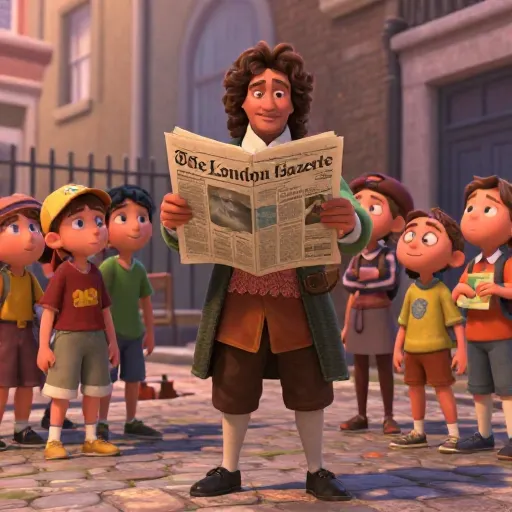
The London Gazette First Appears!
Imagine getting your news on a single piece of paper that comes out regularly—that’s what happened in 1665! The *London Gazette* hit the streets, making it the oldest surviving journal still published today. Before this, news traveled slowly, maybe by word of mouth or just a few quickly printed flyers. This official paper started giving people a regular way to read about government announcements and what was happening around London. It’s like the ancient version of a daily news app!
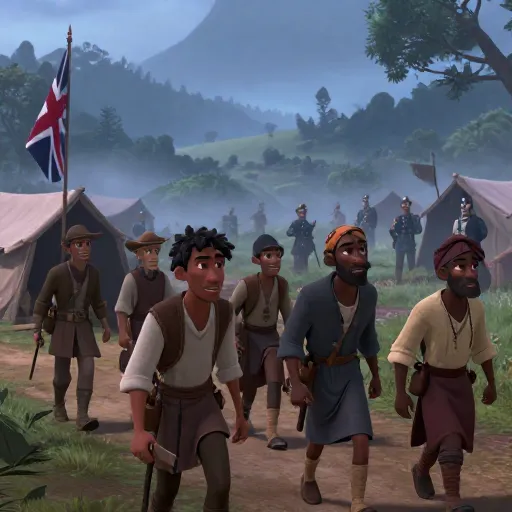
Freedom Offered to Slaves in Virginia
During the American Revolution, the Governor of Virginia, Lord Dunmore, made a huge, controversial promise on this day in 1775. He declared that any enslaved person who left their colonial masters and joined the British army would be granted freedom! This was one of the first mass emancipations offered during the war. It was a shocking move that added fuel to the fire between the colonies and Great Britain, showing how the fight for freedom was complicated for everyone involved.
Learn more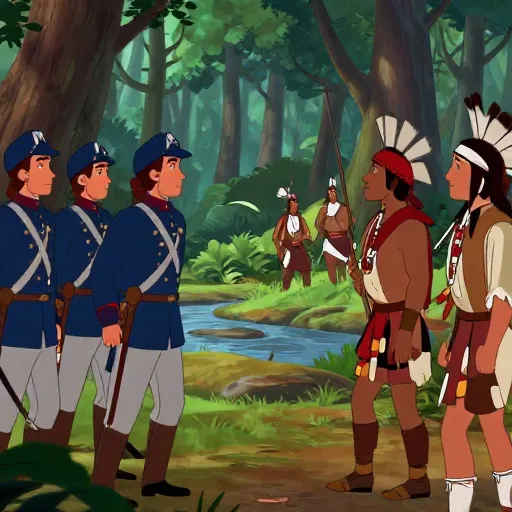
Battle of Tippecanoe Creek Fought
Picture this: A group of American settlers led by William H. Harrison marched against a Native American confederacy led by Tecumseh's brother, Tenskwatawa, near Prophetstown in Indiana. Harrison's forces defeated the Shawnee at the Battle of Tippecanoe Creek. This battle was a major setback for the Native American resistance movement and is an important (and sometimes sad) part of the story of early American expansion and conflict.
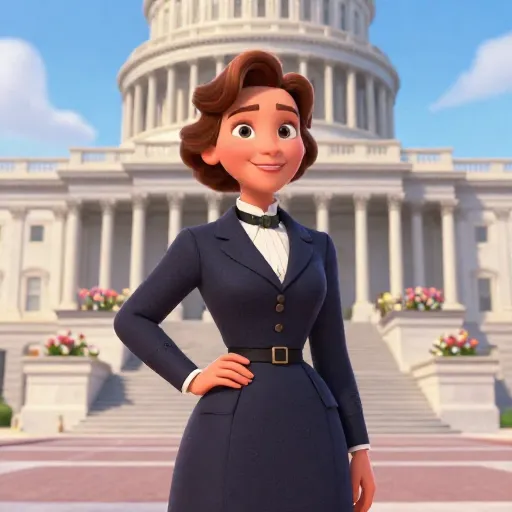
First Woman Elected to U.S. Congress!
History was made when Jeannette Rankin, a Republican from Montana, was elected to the U.S. House of Representatives! She became the very first woman to ever serve in Congress. Imagine being the first person in your whole class to tackle a brand-new subject—that's what Jeannette did for women in American politics. It took a long time, but this was a massive step forward for equality in government!
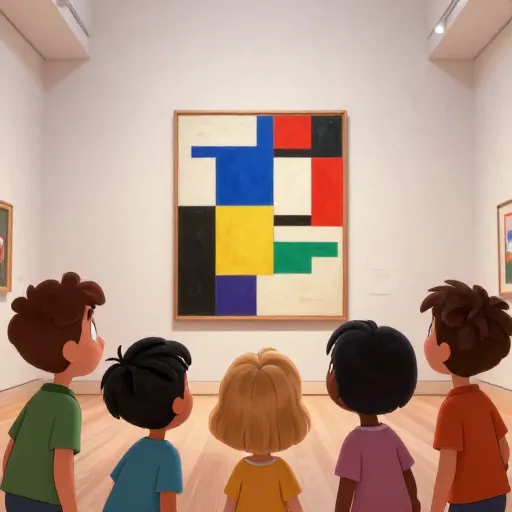
Museum of Modern Art (MoMA) Opens Doors
Get ready to look at art differently! On this day in 1929, the Museum of Modern Art, or MoMA, opened in New York City. Back then, people were used to old-school paintings, but MoMA decided to show off exciting new styles like Cubism and Surrealism. It was like introducing abstract, mind-bending art to the world! This museum quickly became one of the most important places for modern art, showing that art doesn't always have to look like a perfect photograph.
Fun Facts About November 7
- In 1917, the October Revolution in Russia, which brought the Bolsheviks to power, was celebrated on November 7th for decades!
- The oldest surviving newspaper in the world, The London Gazette, started publishing on November 7, 1665.
- The original, infamous Tacoma Narrows Bridge collapsed in a windstorm on November 7, 1940, just months after opening!
- In 1989, L. Douglas Wilder became the first elected African American governor in US history, winning in Virginia.
A Look Back in Time
November 7th often lands right in the thick of autumn, and historically, it has seen a mix of political upheaval and groundbreaking cultural moments. In the early 1700s, it saw a performance of a great work by Bach, showing culture thriving even then. Later, as the US expanded and politics shifted, events like the Battle of Tippecanoe (1811) and the election of the first woman to Congress (1916) show a nation constantly changing its rules and borders. Opening MoMA in 1929 signaled a new era for art, proving that this date is great for 'firsts' and new beginnings.
Born on This Day
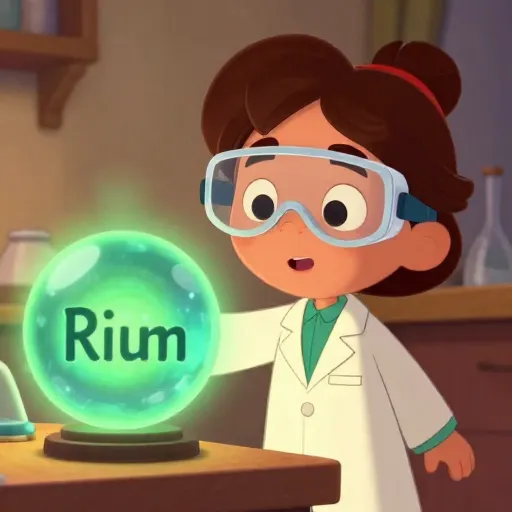
Marie Curie
This brilliant Polish-French scientist was a total superstar! She was the first woman to win a Nobel Prize and is the *only* person ever to win Nobel Prizes in two different sciences (Physics and Chemistry). Her research on radioactivity helped us understand atoms and led to new ways to fight diseases.
Learn more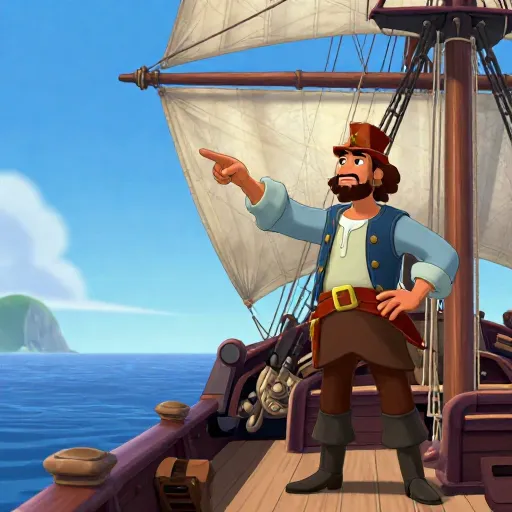
James Cook
Captain James Cook was an amazing explorer and map-maker! He sailed all around the Pacific Ocean, charting huge areas of the world that Europeans hadn't seen before, including New Zealand and the east coast of Australia. He was so good at navigation that his maps were used for hundreds of years!
Learn more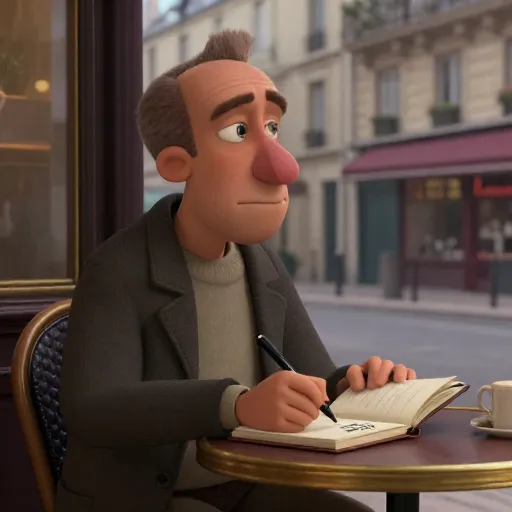
Albert Camus
Albert Camus was a French writer and philosopher who thought deeply about life’s big questions—like what makes life worth living when things feel unfair. He wrote famous books like *The Stranger* and *The Plague*. He even won the Nobel Prize in Literature for his powerful ideas!
Leon Trotsky
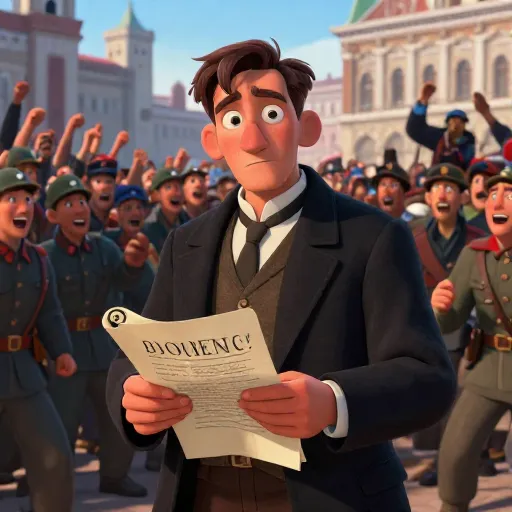
Leon Trotsky was a super important Russian revolutionary who helped lead the Bolsheviks to power during the October Revolution. He was a passionate speaker and thinker who created the Red Army. His ideas about revolution were huge in early Soviet history, though he later clashed with Joseph Stalin.
