1The Magic of Air Plants
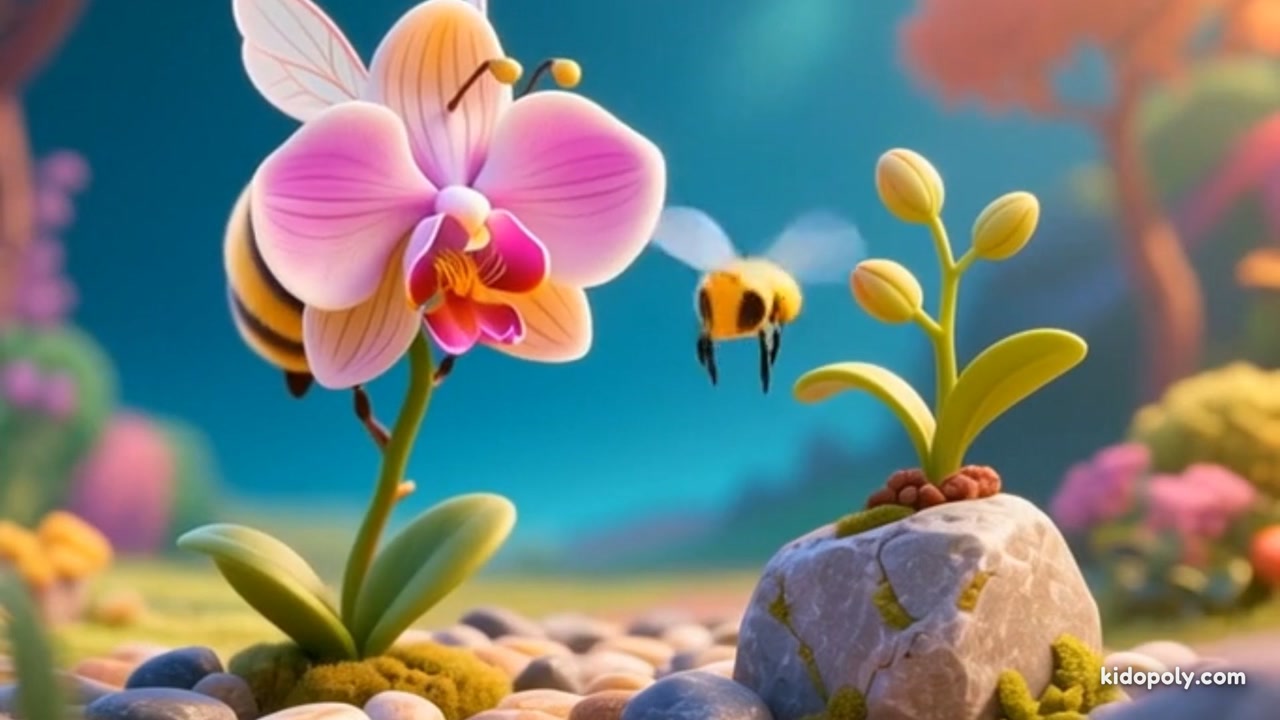
Most plants are homebodies that stay stuck in the dirt, but air plants are the ultimate travelers of the botanical world! Known scientifically as epiphytes, these incredible living things have figured out how to survive without ever touching the ground. There are more than 600 different types of air plants, often called Tillandsias, and they can be found hanging out on tropical tree branches, jagged rocks, or even perched on the sides of cliffs. Instead of using roots to eat, they use them like high-tech safety harnesses to clip themselves onto high places so they can catch the best breeze.
2How Do They Drink Without Soil?
You might wonder how a plant stays hydrated if it doesn't have roots in the damp earth. Air plants have a secret weapon called trichomes! These are tiny, silvery scales covering their leaves that act like microscopic sponges. When it rains or the morning is misty, these trichomes spring into action, soaking up moisture and nutrients directly from the atmosphere. Because they don't need heavy pots of soil, some air plants are light enough to be carried by the wind until they find a new place to hook on and grow.
3Tiny Ponds in the Sky
Some of the most famous air plants are Bromeliads, which grow in a unique spiral shape. The center of the plant acts like a natural bucket, catching and storing gallons of rainwater over time. These "tank" plants actually create their own tiny ecosystems! In the wild, a single Bromeliad can hold enough water to support a whole neighborhood of tiny creatures. Scientists have found that tree frogs, colorful beetles, and even rare aquatic insects use these floating plant-ponds as their homes, nurseries, and swimming pools high up in the rainforest canopy.