Music 1:00

Ancient Music Mystery for Kids

1The First Sounds of Human History

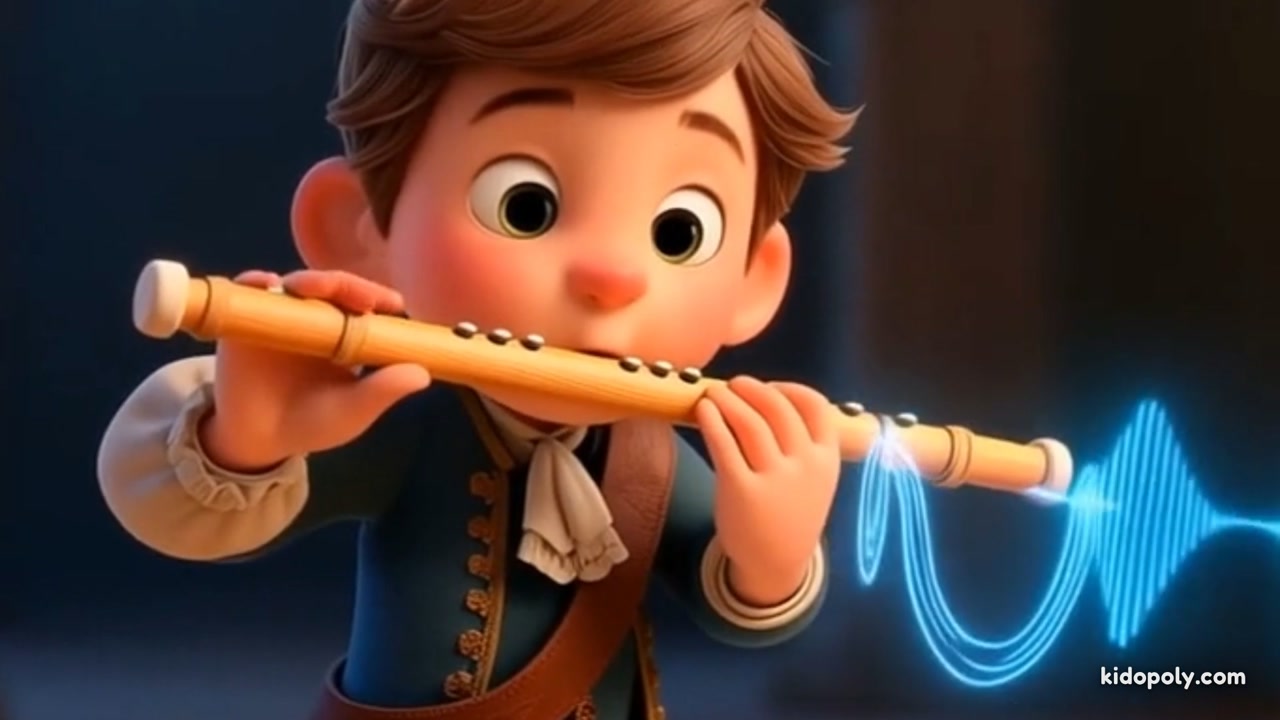
Imagine walking through a forest 40,000 years ago and hearing the clear, whistling notes of a flute. Long before pianos or guitars existed, our ancestors were already talented musicians! The very first instruments weren't made in factories; they were crafted from the world around them. Hunters and gatherers used hollowed-out bird bones, mammoth ivory, and even reindeer antlers to create wind instruments. These early people discovered that by poking holes in a bone, they could change the pitch of the sound, creating the world's first melodies. These sounds were used to tell stories around a campfire, mimic bird calls, or bring the community together for special ceremonies.

2Royal Rhythms and Golden Harps

As civilizations grew, so did the complexity of their music. In Ancient Egypt, music was considered a gift from the gods. Musicians were highly respected and often performed in massive temples or for the Pharaoh in royal palaces. They played beautiful stringed instruments called lyres and harps, which were often decorated with gold, silver, and precious stones. In addition to strings, they used the 'sistrum,' a magical metal rattle used by priestesses. Archaeologists have found ancient paintings showing large orchestras with singers, dancers, and flute players, proving that music was the heartbeat of ancient city life.

3Solving the Mystery of Lost Songs

How do we know what a song sounded like if there were no MP3 players or YouTube videos thousands of years ago? This is where music detectives, known as archaeomusicologists, come in! They study ancient carvings and paintings to see how musicians held their instruments. When they find a physical instrument, like a 2,000-year-old clay drum, they often use 3D printing to create an exact replica. By playing these copies, scientists can hear the same notes that echoed through ancient valleys. Combining science with art helps us realize that while technology has changed, the human love for a catchy beat has stayed exactly the same.

Video Transcript

Introduction

Imagine music from thousands of years ago, played on instruments made of bone, stone, or clay! Ancient people made music for celebrations, stories, and ceremonies, just like we do today. Uncovering these old instruments and understanding how they were played gives us clues about life long, long ago. It is like time-travelling with sound, hearing echoes from the past.

Key Facts

Did you know the oldest musical instrument ever found is a flute made from a hollowed-out bird bone, discovered in Germany and believed to be over 40,000 years old? Or that ancient Egyptian harps and lyres were often beautifully decorated and played for royalty and in religious ceremonies? Many early instruments, like simple drums or rattles, were made from natural materials found nearby, such as animal skins, gourds, or hollow logs.

Think About It

How do historians know what ancient music sounded like, since there were no recording devices back then?

The Answer

Historians use many clues to guess what ancient music might have sounded like. They study archaeological finds like ancient instruments, which can sometimes still be played or replicated. They also look at old drawings, carvings, and writings that describe music and musical performances. By studying the cultures and their likely uses for music, and by understanding basic sound physics, they can make educated guesses about the rhythms, melodies, and sounds of the past.

Frequently Asked Questions

What was the very first musical instrument ever made?

The oldest instrument ever found is a flute made from a vulture's wing bone, discovered in Germany, which is over 40,000 years old! However, scientists believe the very first instruments were likely the human voice and clapping hands, which leave no fossils behind.

How did ancient people make strings for their instruments?

Instead of using nylon or metal, ancient musicians used natural materials like silk, plant fibers, or 'catgut,' which was made from dried animal intestines. These materials were surprisingly strong and could produce beautiful, vibrating tones when plucked on a harp or lyre.

Can we still play instruments found by archaeologists?

While most ancient instruments are too fragile to be played today, some made of stone or sturdy clay still work! To keep the original artifacts safe, experts usually build exact copies called 'replicas' to test the sounds and see what kind of scales ancient people used.

Did ancient music have a specific purpose?

Yes, music was rarely just for fun; it was used for important jobs like signaling hunters, healing the sick, or celebrating a successful harvest. Many cultures believed music had magical powers that could connect them to their ancestors or the gods.

Watch More Videos

Discover fun educational videos about science, history, animals, and more.

Explore All Videos
Audience Debug