Science 1:00

Master Pretenders for Kids

1Nature’s Most Clever Costumes

In the wild, things are not always what they seem! While some animals use camouflage to disappear into the background, the "Master Pretenders" use a special skill called mimicry. This isn't just about hiding; it's about standing out and looking like someone else entirely. Imagine a tiny, harmless fly putting on a yellow-and-black striped suit to look like a scary wasp. Because birds and other predators have learned that wasps have painful stings, they stay far away from the fly, too! This clever evolutionary trick allows over 250 different species of flies to live safely just by looking tough.

2The Secret of the Copycats

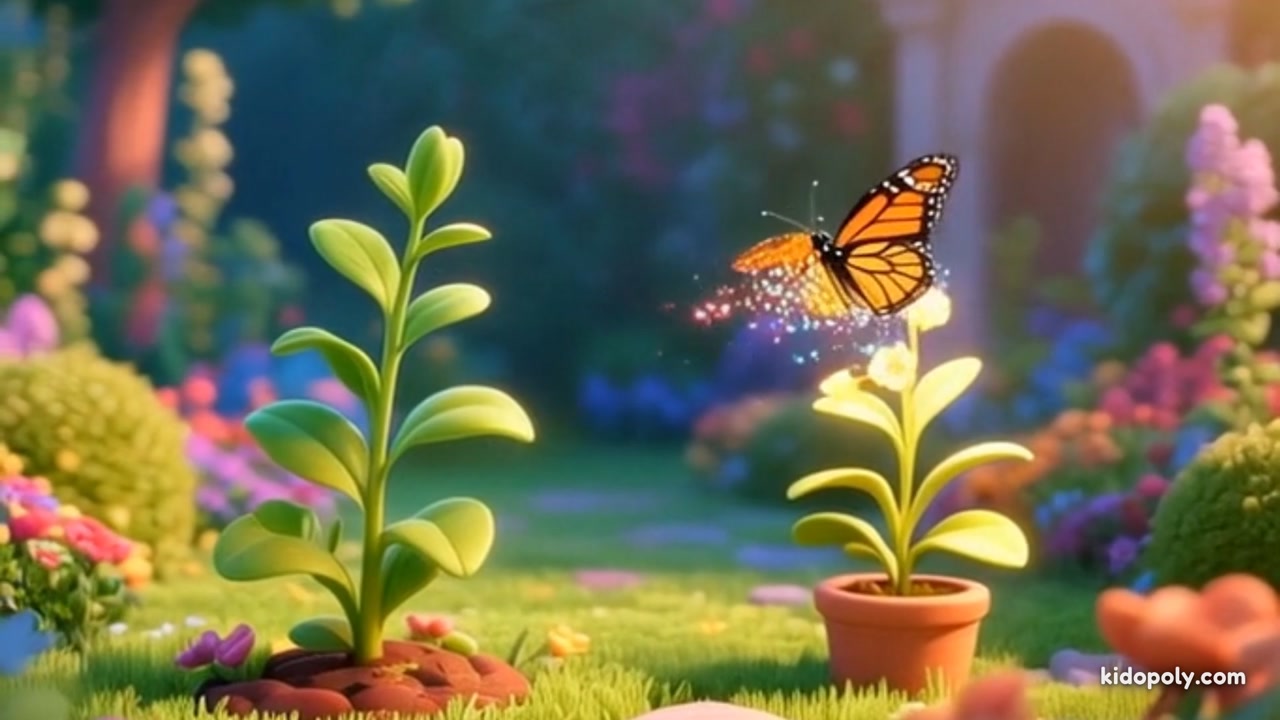
Scientists call one of the most famous types of pretending "Batesian mimicry." This is named after Henry Walter Bates, a scientist who studied butterflies in the Amazon rainforest over 150 years ago. He noticed that the Viceroy butterfly looks almost exactly like the Monarch butterfly. This is a big deal because Monarchs eat milkweed, which makes them taste terrible and even poisonous to birds. By copying the Monarch’s bright orange and black wing patterns, the Viceroy sends a clear message to hungry birds: "Don't eat me, I'm gross!" even though the Viceroy is actually quite a tasty snack.

3Hunting with a Disguise

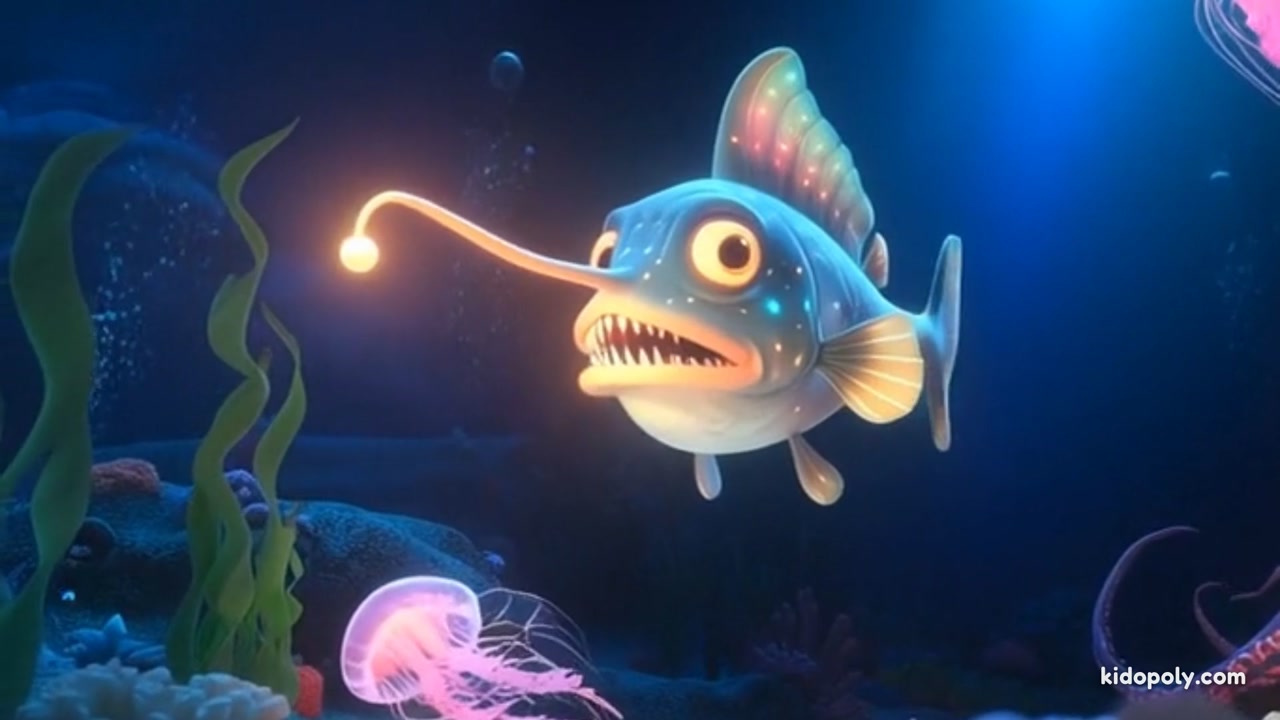
Pretending isn't just for protection; it's also a way for hunters to catch their dinner. This is known as aggressive mimicry. Some animals, like the Zone-tailed hawk, fly in a specific way to look like a harmless vulture. Since small mammals aren't afraid of vultures (who only eat animals that are already dead), they don't run away. This allows the hawk to swoop down and catch its prey by surprise! Whether it is for safety or for a meal, mimicry is one of the most amazing survival tools used by the 8.7 million species of animals on our planet.
Video Transcript

Introduction

Some animals are amazing actors, pretending to be something else entirely! This trick is called mimicry. It is not just about blending in, like camouflage. Instead, these clever creatures copy the looks or even the actions of other animals to fool predators or prey. It is like an animal wearing a fancy dress costume to stay safe or get a meal!

Key Facts

Did you know there is a type of mimicry where a harmless animal pretends to be a dangerous one? For example, the non-poisonous Viceroy butterfly looks almost identical to the poisonous Monarch butterfly, making birds avoid both! Also, some hoverflies look just like stinging wasps, even though they cannot sting at all.

Think About It

If an animal pretends to be another, what are two big reasons they might do this?

The Answer

Animals use mimicry mainly for two big reasons: protection and food. By pretending to be a dangerous animal, they can scare away predators without actually being harmful themselves. Or, by mimicking something else, they can sneak up on their prey without being noticed, making it easier to catch a meal.

Frequently Asked Questions

What is the difference between mimicry and camouflage?

Camouflage is when an animal tries to blend in with its surroundings, like a green frog on a leaf. Mimicry is when an animal pretends to be a different living creature, like a harmless moth looking like a scary hornet to frighten away enemies.

Can animals mimic sounds instead of just looks?

Yes, some animals are amazing sound copycats! For example, the Burrowing Owl can make a sound exactly like a rattlesnake's rattle to scare predators away from its underground nest. The Lyrebird can even mimic the sounds of chainsaws and camera shutters!

Why do some butterflies have bright colors if they are trying to hide?

Bright colors in nature are often a 'warning signal' to tell predators that the animal is poisonous or tastes bad. Animals use mimicry to copy these bright colors so that predators will get confused and leave them alone, thinking they are dangerous.

How many animals use mimicry to survive?

There are thousands of different species that use mimicry, including insects, birds, snakes, and even sea creatures. It is one of the most successful ways for animals to survive in the wild without needing big claws or sharp teeth.

Watch More Videos

Discover fun educational videos about science, history, animals, and more.

Explore All Videos
Audience Debug