1Nature’s Most Clever Costumes
In the wild, things are not always what they seem! While some animals use camouflage to disappear into the background, the "Master Pretenders" use a special skill called mimicry. This isn't just about hiding; it's about standing out and looking like someone else entirely. Imagine a tiny, harmless fly putting on a yellow-and-black striped suit to look like a scary wasp. Because birds and other predators have learned that wasps have painful stings, they stay far away from the fly, too! This clever evolutionary trick allows over 250 different species of flies to live safely just by looking tough.
2The Secret of the Copycats
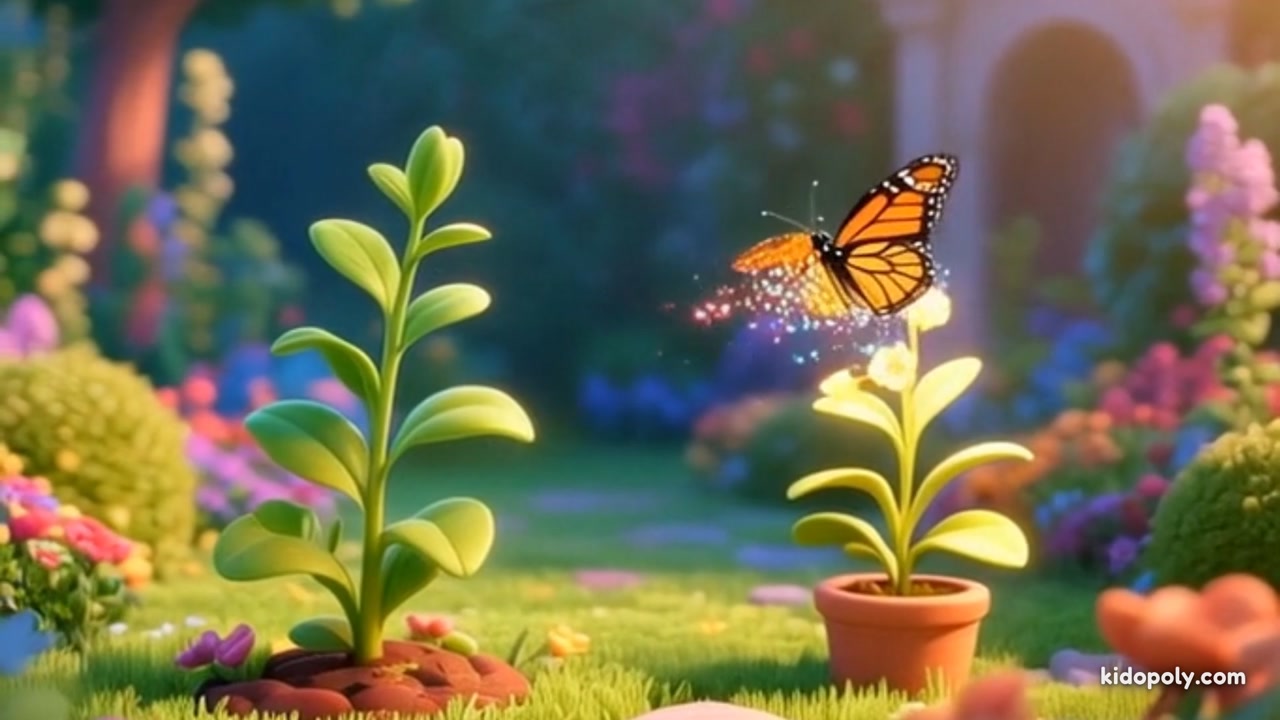
Scientists call one of the most famous types of pretending "Batesian mimicry." This is named after Henry Walter Bates, a scientist who studied butterflies in the Amazon rainforest over 150 years ago. He noticed that the Viceroy butterfly looks almost exactly like the Monarch butterfly. This is a big deal because Monarchs eat milkweed, which makes them taste terrible and even poisonous to birds. By copying the Monarch’s bright orange and black wing patterns, the Viceroy sends a clear message to hungry birds: "Don't eat me, I'm gross!" even though the Viceroy is actually quite a tasty snack.
3Hunting with a Disguise
Pretending isn't just for protection; it's also a way for hunters to catch their dinner. This is known as aggressive mimicry. Some animals, like the Zone-tailed hawk, fly in a specific way to look like a harmless vulture. Since small mammals aren't afraid of vultures (who only eat animals that are already dead), they don't run away. This allows the hawk to swoop down and catch its prey by surprise! Whether it is for safety or for a meal, mimicry is one of the most amazing survival tools used by the 8.7 million species of animals on our planet.