Art 1:00

Early Art Tools for Kids

1Nature’s Original Art Kit

Long before humans invented the wooden-handled brushes we use in school today, the world was one big art studio! Early artists, living tens of thousands of years ago, had to look around their environment to find tools that could help them tell stories on cave walls. While their own fingers were the very first tools used to smudge soft clay and charcoal, they soon discovered that nature provided even better options. They gathered sturdy bird feathers for fine lines and used soft moss or animal fur to create broad, textured strokes. These creative pioneers proved that you don't need a store-bought kit to be a master artist; you just need a little imagination and the world around you.

2The Very First Brushes

One of the cleverest inventions of the Stone Age was the 'chewed stick' brush. Ancient artists would take a small twig, usually from a flexible tree, and chew on one end until the wood fibers began to separate and fray. This created a soft, fan-like tip that worked exactly like the bristles on a modern paintbrush! To hold their primitive brushes together, they often used thin strips of animal hide or sticky tree resin. These early tools allowed them to paint incredibly detailed animals, like bison and mammoths, some of which are so well-preserved that we can still see the individual brushstrokes on cave walls in France and Spain today.

3Ancient Spray Paint Secrets

Did you know that ancient humans invented a version of the airbrush over 30,000 years ago? Instead of using a pressurized can, they used hollow bird bones or reeds. An artist would place their hand against a rock wall, hold a mouthful of liquid pigment (made from crushed rocks and water), and blow the paint through the hollow bone. This created a perfect 'negative' stencil of their hand. Archaeologists have found hundreds of these handprints in caves around the world, acting like ancient signatures. These early creators also used sharp pieces of flint to carve deep lines into stone, showing that art tools have always been about finding new ways to leave a mark on history.
Video Transcript

Introduction

Long, long ago, before people invented paintbrushes, how do you think artists made their drawings and paintings? They were incredibly creative, using whatever they could find around them! From their own fingers to sticks, feathers, or even blowing paint through hollow bones, they found many clever ways to make beautiful marks and images.

Key Facts

Did you know, the earliest artists often used their own fingers to smudge and spread paint on cave walls? Did you know, they sometimes chewed on sticks to make a frayed end that acted like a primitive paintbrush? Did you know, some ancient artists made stencils by placing their hand on a rock and blowing pigment around it through a hollow bone or reed.

Think About It

If you had no paintbrushes, what everyday items could you use to make art and create different marks?

The Answer

Without brushes, you could use many things! Your fingers are excellent for smudging and broad strokes. Sticks can make thin lines or textured marks. Leaves, sponges, or even scrunched-up paper can create interesting patterns. Feathers can make delicate lines, and you can even stamp with items like potatoes or bottle caps for fun shapes.

Frequently Asked Questions

What were the first paints made out of?

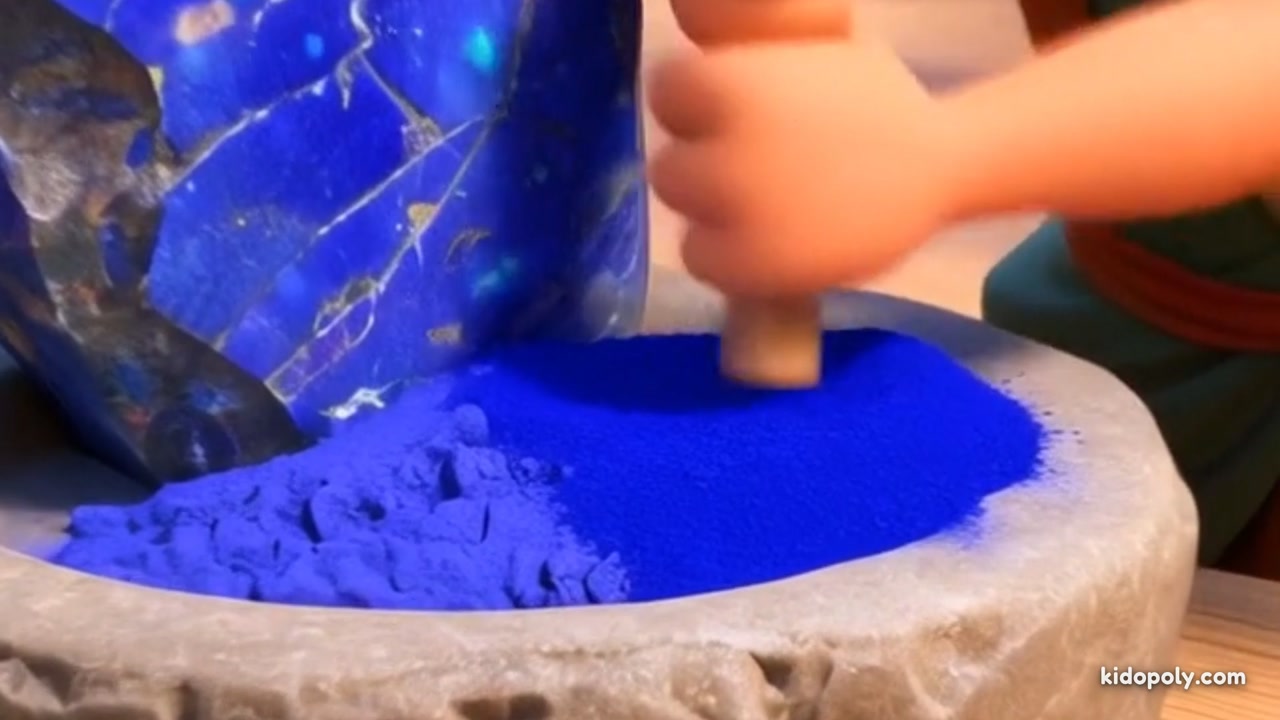
Early artists didn't have tubes of paint, so they made their own 'pigments' from natural minerals found in the earth. They crushed red and yellow ochre, black manganese, and charcoal into fine powders, then mixed them with water, animal fat, or even vegetable juice to make a paste that would stick to walls.

How did ancient artists paint in dark caves?

Since many famous paintings are found deep inside dark caves, artists had to bring their own light! They crafted simple lamps by hollowing out stones and filling them with animal fat and a wick made of moss or lichen. These flickering lamps provided just enough light for them to work for hours underground.

Did ancient artists use animal hair for brushes?

Yes, they certainly did! Beyond just using feathers and sticks, many early cultures tied bundles of hair from animals like horses, goats, or pigs to sticks using sinew or plant fibers. This allowed them to hold more paint at once and create much smoother, more controlled lines than they could with just their fingers.

Why did they chew on sticks to make art?

Chewing on the end of a stick was a smart way to break down the tough wood fibers into soft, flexible strands. This turned a hard piece of wood into a functional brush with 'bristles' that could soak up paint. It was a simple but effective invention that stayed in use for thousands of years!

Watch More Videos

Discover fun educational videos about science, history, animals, and more.

Explore All Videos
Audience Debug