Robots 1:00

Robots Lend Hand for Kids

1Your New High-Tech Helper

Imagine a friend that never gets tired of helping you! Assistive robots are special machines built to support people who have trouble doing things on their own. For example, some people use robotic exoskeletons, which are like wearable suits that use powerful motors to help someone walk if their legs are weak. These amazing inventions do not just do the work; they give people the freedom to move, explore, and play just like everyone else. This independence is one of the greatest gifts technology can provide.

2Super Sensors and Caring Hands

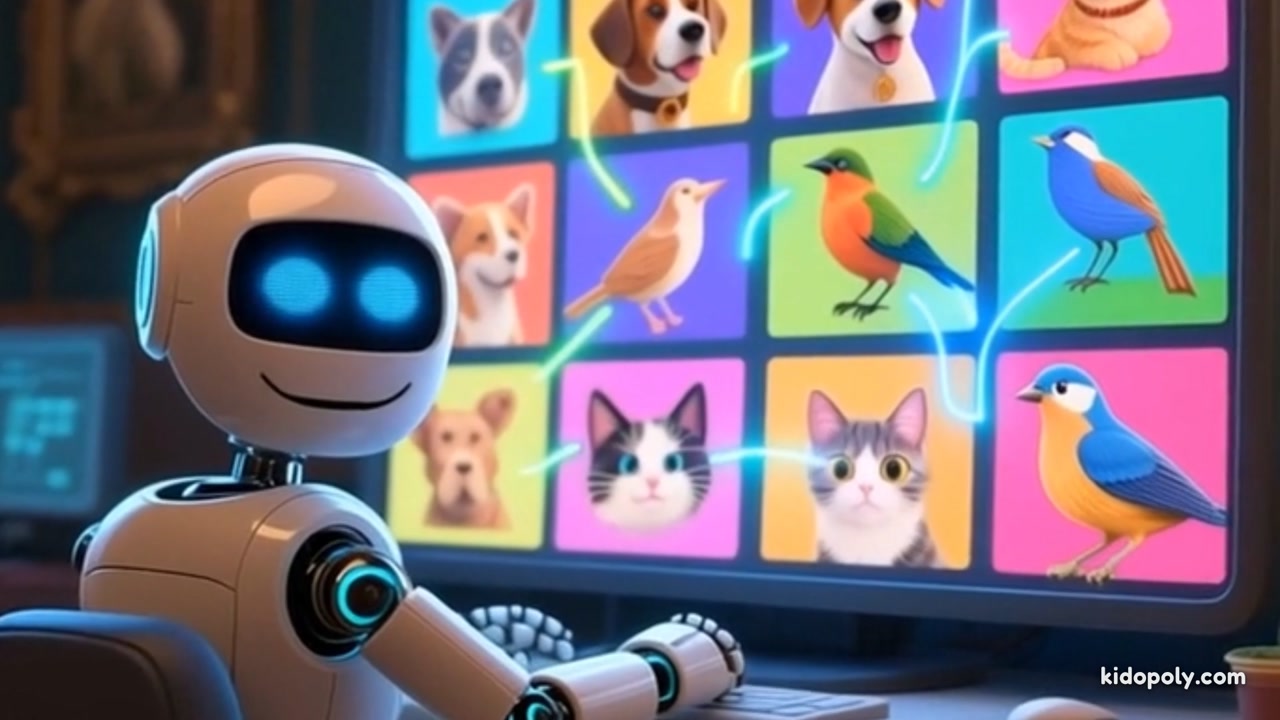
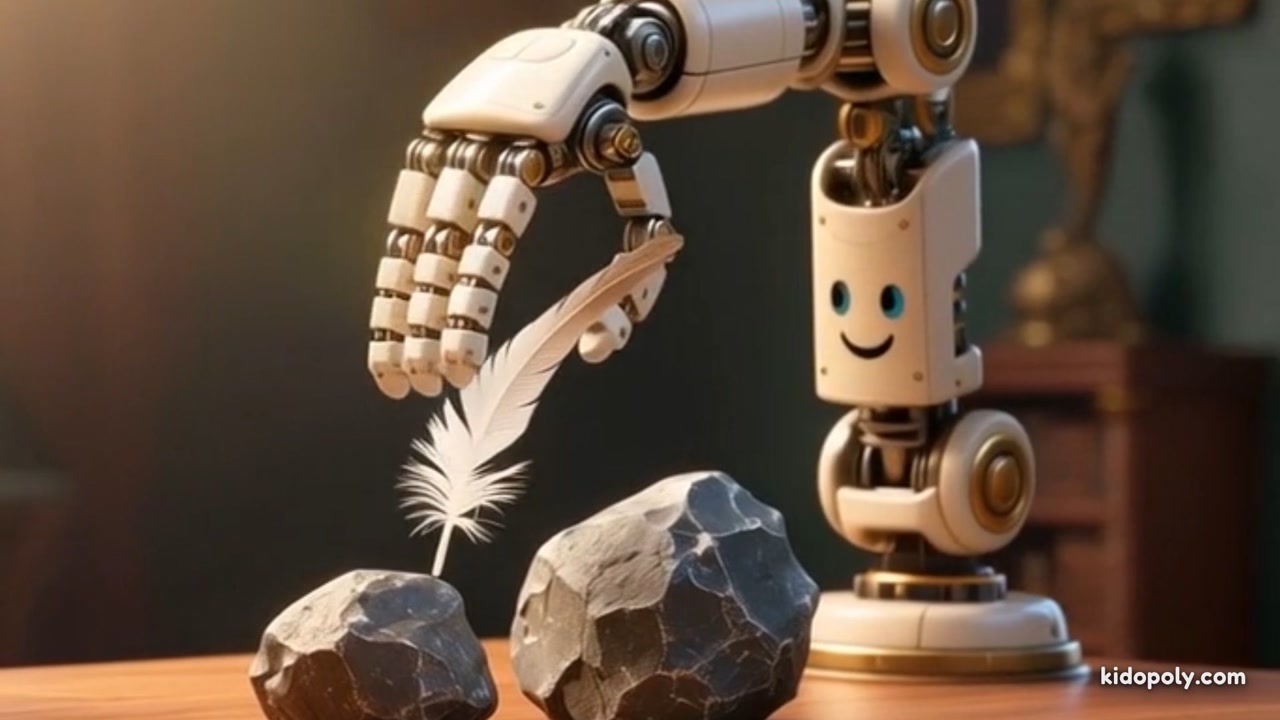
How does a robot know where to go? They use advanced technology called LiDAR and ultrasonic sensors, which act like high-tech eyes to see walls and furniture. This keeps them from bumping into things! Some robots are so precise they can pick up a tiny grape without squashing it or help someone brush their teeth. In hospitals, companion robots can even talk to patients to keep them from feeling lonely. These machines use ten or more different sensors to detect if a person is happy or sad, reacting with kind words or helpful actions.

3The Future of Friendly Robots

Safety is the most important part of building a helper robot. Engineers program them with force-limiting technology so they move very slowly and gently when they are near humans. In the future, we might see even more robots in our homes helping us tidy up our toys or even guiding us safely to the store. By learning to understand our voices and feelings, these robots are becoming more like caring partners than just cold pieces of metal. As we build better computers, these mechanical helpers will become even smarter and more reliable.
Video Transcript

Introduction

Imagine having a robot friend that helps you with everyday tasks! These are 'assistive robots,' and they are designed to lend a hand, especially to people who might find some tasks tricky. From helping to move around to picking up dropped items, these clever robots make life easier and more independent, allowing people to do more things on their own.

Key Facts

Did you know some assistive robots can help people who cannot use their arms by feeding them or helping them get dressed? Others can act as companions, reminding people to take medicine or even guiding visually impaired individuals safely through busy places. These robots use advanced sensors to understand their surroundings and react gently to human needs.

Think About It

If a robot is designed to help an elderly person at home, what is one really important thing the robot must be able to do to be truly helpful and safe?

The Answer

A very important thing is that the robot must be able to understand and safely respond to humans. This means understanding spoken commands, moving gently, avoiding bumping into things or people, and stopping if there is any danger. It also needs to be able to detect human emotions or needs, making it a caring and reliable helper, not just a machine.

Frequently Asked Questions

Can robots really help people get dressed?

Yes! Scientists have developed robotic arms that use soft grippers and clever cameras to guide clothes over a person's head or arms. These robots have to be very careful and slow so they do not pull too hard, making the morning routine much easier for someone who cannot move their hands well.

How does a robot see a person who needs help?

Most assistive robots use a combination of 3D cameras and heat sensors to locate people in a room. They can even recognize different faces, allowing them to remember exactly which medicine a specific person needs to take and at what time of day they need it.

Are these robots strong enough to carry a human?

Some definitely are! There are special transfer robots designed like sturdy cranes that can safely lift a person out of bed and into a wheelchair. These robots use heavy-duty hydraulic systems but are covered in soft materials to keep the person comfortable and safe during the move.

Do assistive robots have real feelings?

While they do not have feelings like humans do, they can be programmed to recognize social cues. This means they can see a smile or hear a sad tone of voice and respond with a kind message or a helpful action, which helps people feel more comfortable around them.

Watch More Videos

Discover fun educational videos about science, history, animals, and more.

Explore All Videos
Audience Debug