Birds 1:00

Bird Food Detectives for Kids

1Specialized Tools for Hungry Birds

Nature has given every bird a unique "tool kit" on its face! Imagine if you had to eat soup with a fork or a steak with a straw—it wouldn't work very well. Birds have evolved different beaks to match their favorite snacks. For example, a cardinal has a thick, strong beak perfect for cracking open tough seeds, while a shorebird might have a long, thin beak for reaching deep into the mud to find hidden treats. Some birds, like the colorful flamingo, even eat upside down! They use their beaks as a living sieve to filter tiny shrimp and algae out of the water, making them one of the most unique diners in the animal kingdom.

2The Mystery of the Owl Pellet

One of the coolest ways to be a bird detective is by looking at what an owl leaves behind. Because owls often swallow their prey whole, their stomachs have a tough job. They digest the soft parts, but they can’t handle things like tiny skulls, ribs, or thick fur. These leftovers are squeezed into a small, dry ball called a pellet and coughed back up. When a scientist (or a curious kid!) finds a pellet, they can carefully take it apart to see exactly what the owl had for dinner. It’s like finding a biological treasure chest that tells the story of the forest's food chain from the night before!

3Super Senses and Sweet Treats

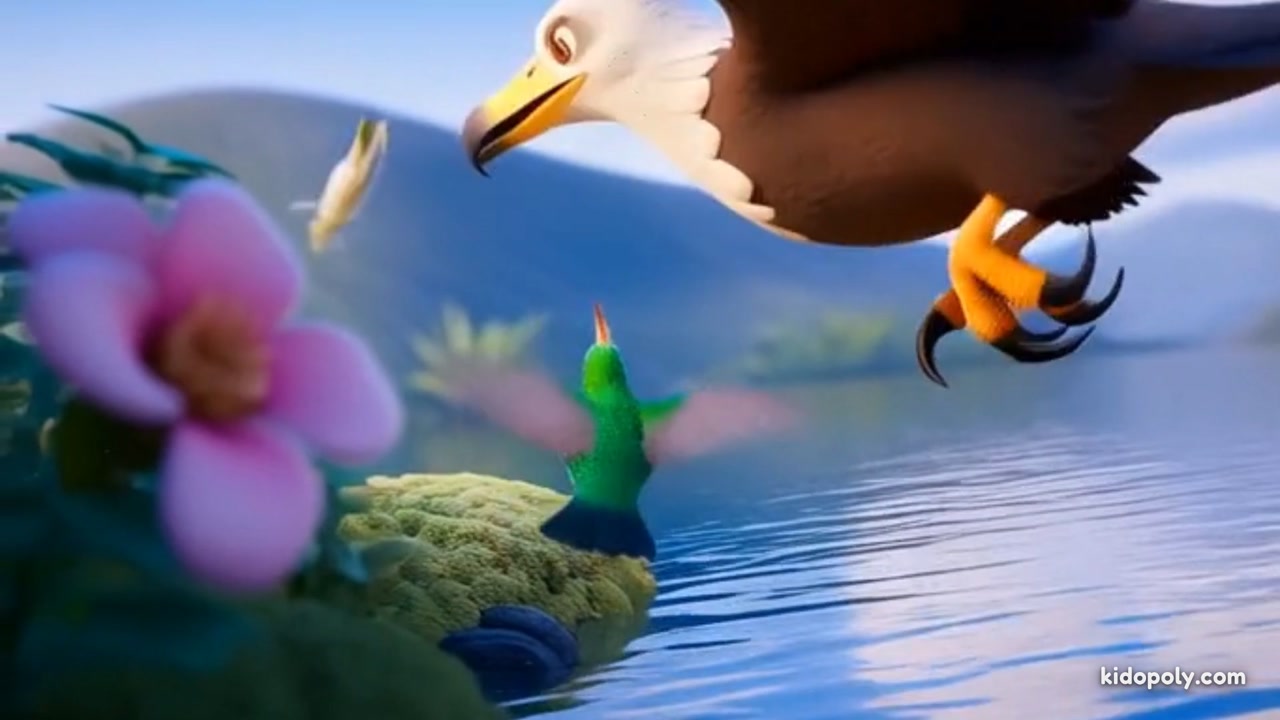
Finding food isn't just about having the right beak; it's about using "super senses" too. Robins can actually hear the tiny vibrations of worms moving underground, while some vultures can smell a snack from miles away! Did you know that most birds can't taste sweetness? However, the tiny hummingbird is a special exception. They have a high-energy lifestyle, flapping their wings up to 80 times per second, so they need the sugary "fuel" found in flower nectar. These little birds have special receptors on their tongues to find the best treats, making them the ultimate dessert detectives of the bird world.
Video Transcript

Introduction

Birds are incredible food detectives, each with a favourite menu and special way of eating it. From tiny seeds to wriggly worms, birds have adapted amazing ways to find, catch, and digest their meals. Sometimes, what they leave behind can tell us a whole story about what they have eaten, like a secret clue for us to discover!

Key Facts

Did you know owls often swallow their food whole, like small mice or insects? They cannot digest bones or fur, so they cough up a compact, furry ball called a pellet, which is like a tiny food diary! Some birds, like flamingos, have special beaks that filter tiny food particles from water, like a living sieve. Many birds cannot taste sweetness, but hummingbirds are one of the few that can!

Think About It

How can scientists use an owl pellet to figure out what an owl has been eating for dinner?

The Answer

Scientists can carefully break open an owl pellet and look at the tiny bones, teeth, and fur they find inside. By identifying these remains, they can tell exactly what creatures the owl has eaten, whether it was a mouse, a shrew, or even a small bird. It is like being a detective and piecing together a puzzle about the owl's diet!

Frequently Asked Questions

Why do different birds have different shaped beaks?

A bird's beak is like a specialized tool designed for the specific type of food they eat. For example, meat-eating hawks have hooked beaks for tearing, while hummingbirds have long, needle-like beaks to reach deep into flowers for nectar.

Are owl pellets basically bird poop?

No, owl pellets are actually coughed up from the owl's mouth, not passed through the digestive tract. Because the owl can't digest things like bones and fur, it packs them into a neat ball and spits them out to keep its stomach clean.

How do birds find worms under the grass?

Birds like robins use a combination of sight and sound to find their lunch. They often tilt their heads to the side to listen for the tiny rustling sounds that worms make as they move through the soil, then strike quickly with their beaks.

Do birds ever share their food?

While most birds hunt for themselves, many bird parents spend all day finding food to bring back to their hungry chicks in the nest. Some birds, like crows, are also very social and will call out to their friends when they find a big source of food so everyone can eat together.

Watch More Videos

Discover fun educational videos about science, history, animals, and more.

Explore All Videos
Audience Debug