Birds 1:00

Bird Navigation System for Kids

1Nature’s Built-in GPS

Imagine flying thousands of miles across an ocean without a smartphone or a paper map! Birds are the ultimate explorers, using a mix of incredible natural tools to find their way across the planet. While humans rely on satellites, birds look at the position of the sun during the day and the patterns of the stars at night to stay on course. Some species, like the Bar-tailed Godwit, are so efficient they can fly for over 7,000 miles non-stop without even stopping for a snack! They use these celestial cues to maintain a steady heading across vast, empty distances.

2Seeing the Invisible

One of the most mind-blowing facts about birds is their ability to "see" Earth's magnetic field. Scientists believe that special proteins in a bird's eyes allow them to perceive the magnetic pull as a colorful glow or a shaded area overlaid on their normal vision. This is called magnetoreception. It acts like a compass that never breaks! In addition to this "sixth sense," some birds have tiny crystals of a mineral called magnetite in their beaks. This helps them feel the intensity of the magnetic field, allowing them to pinpoint their exact location on a global scale.

3The Longest Commute on Earth

The Arctic Tern holds the world record for the longest commute in the animal kingdom. These small birds travel about 44,000 miles every single year, moving from the Arctic to the Antarctic and back again. To pull off this amazing feat, they don't just use one system; they use backups. If it is too cloudy to see the stars, they switch to smelling "scent maps" of the ocean or listening for infrasound—extremely low-frequency rumbles from waves hitting distant shores. By combining all these senses, birds can return to the exact same nesting spot year after year!
Video Transcript

Introduction

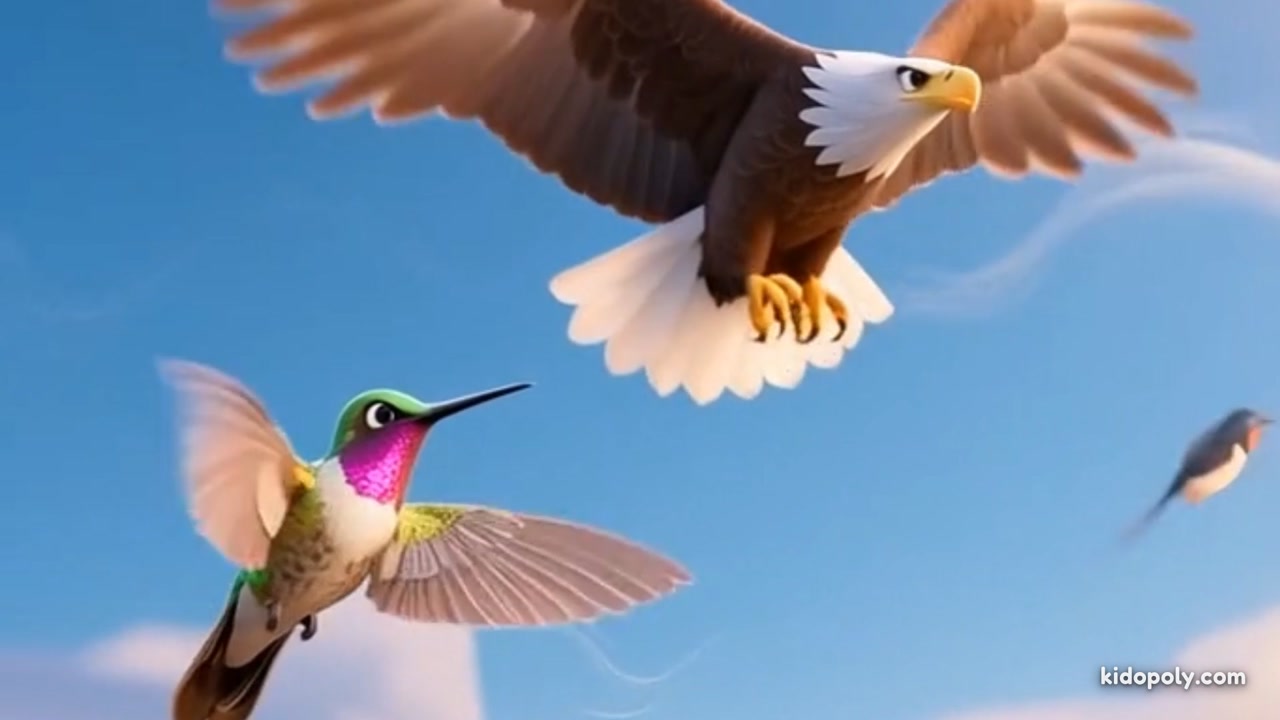
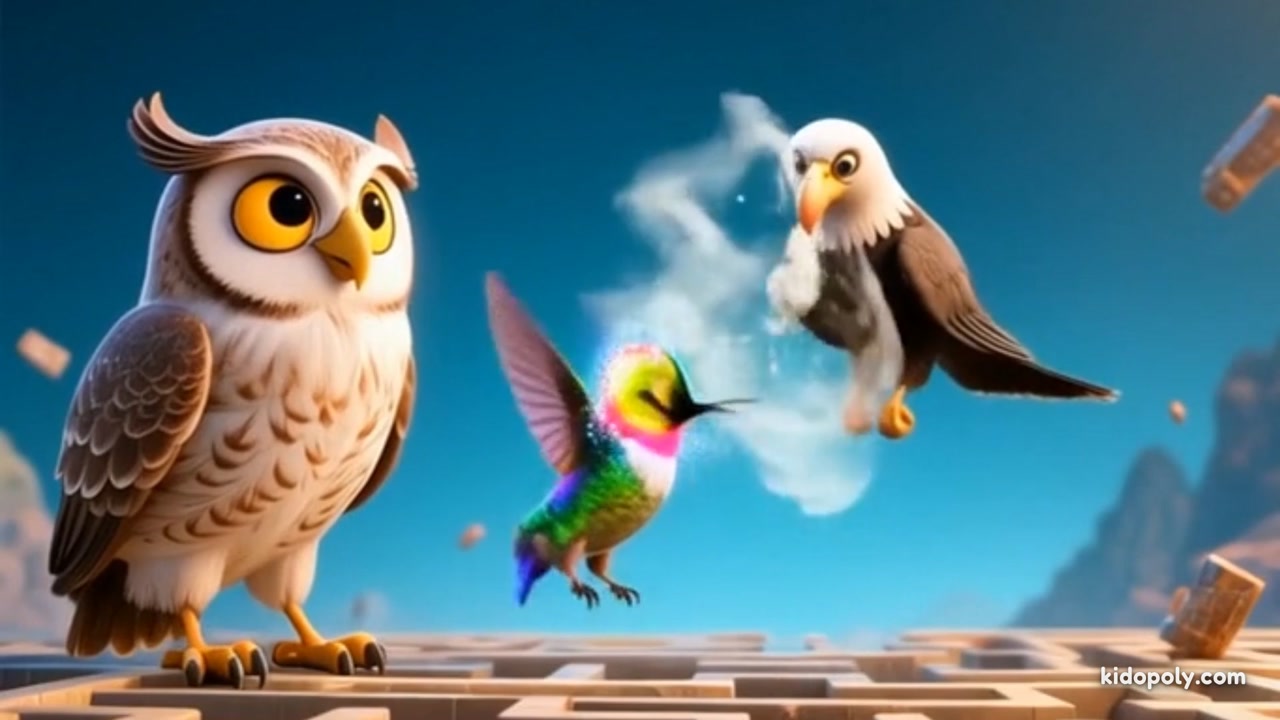
Birds have built-in navigation systems that would make any pilot jealous! Migrating birds use multiple natural compasses including Earth's magnetic field, the position of stars, the sun's location, and even smells and sounds. Some birds can detect magnetic fields through special cells in their beaks and eyes.

Key Facts

Did you know Arctic terns make the longest migration on Earth, flying from Arctic to Antarctic and back each year? Did you know birds can see magnetic fields as colors overlaid on their normal vision? Did you know some birds navigate using infrasound - extremely low sounds that travel thousands of kilometers?

Think About It

Why do you think birds that migrate thousands of miles almost always return to the exact same nesting spot year after year?

The Answer

Birds create incredibly detailed mental maps using multiple navigation tools working together! They remember magnetic signatures, star patterns, landscape features, and even smell maps. This combination of natural GPS systems allows them to pinpoint locations with amazing accuracy, just like having multiple backup navigation systems.

Frequently Asked Questions

How do birds find their way at night?

Many birds are "star-gazers" that learn the patterns of the constellations to help them steer in the right direction. They also use their internal magnetic compass, which allows them to feel the Earth's pull even in total darkness.

Do baby birds have to learn how to migrate?

It depends on the species! Some birds, like cranes, fly in family groups and learn the route from their parents. However, many other birds are born with a "genetic map" already programmed into their brains, allowing them to navigate thousands of miles alone on their very first trip.

Can weather or storms make a bird get lost?

Strong winds can sometimes blow birds off course, but they are experts at recalibrating. Because they have multiple backup systems—like smell, vision, and magnetic senses—they can usually find their way back to their original path once the weather clears.

What is a 'scent map' in bird navigation?

Some birds, especially seabirds, have an amazing sense of smell that helps them identify specific locations. They can remember the unique smells of different islands or coastlines, using them like aromatic landmarks to find their home from miles away.

Watch More Videos

Discover fun educational videos about science, history, animals, and more.

Explore All Videos
Audience Debug