1The Secret Language of Light and Smell
While humans use voices to share stories, insects live in a world of silent whispers. Instead of using mouths to speak, they use their entire bodies to send messages! Many insects have highly sensitive antennae that act like high-tech receivers, picking up chemical signals in the air. These chemicals, called pheromones, can tell an insect if a friend is nearby, if there is a tasty snack around the corner, or if a predator is approaching. It is a complex system of communication that happens right under our noses without us ever hearing a sound.
2Dancing Bees and Glowing Fireflies
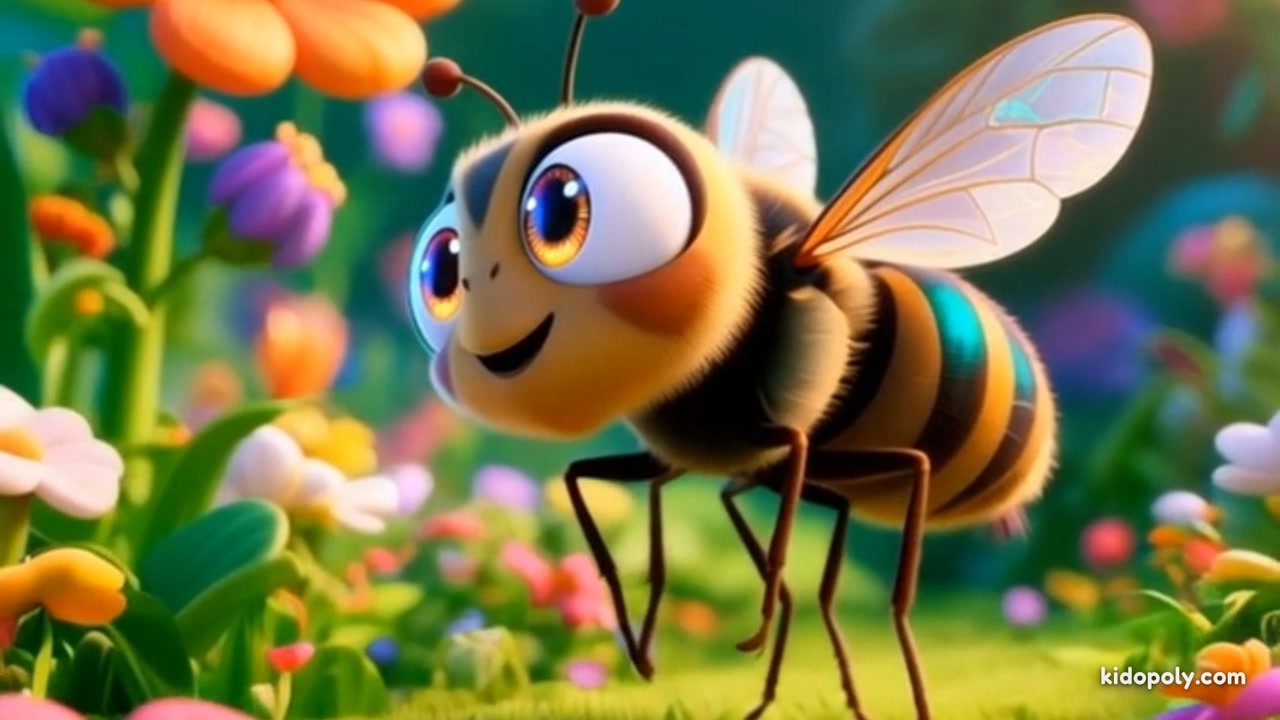
Some insects are masters of visual communication. Take the honeybee, for example. When a scout bee finds a patch of delicious flowers, she returns to the hive and performs a "waggle dance." By moving in a figure-eight pattern and shaking her body, she tells her sisters exactly which direction to fly and how far away the food is located. Fireflies use a different visual trick; they use bioluminescence to create flashes of light in the dark. Each species has a unique rhythm—like a blinking Morse code—that helps them identify their family members in a crowded forest.
3Teamwork Through Chemical Trails
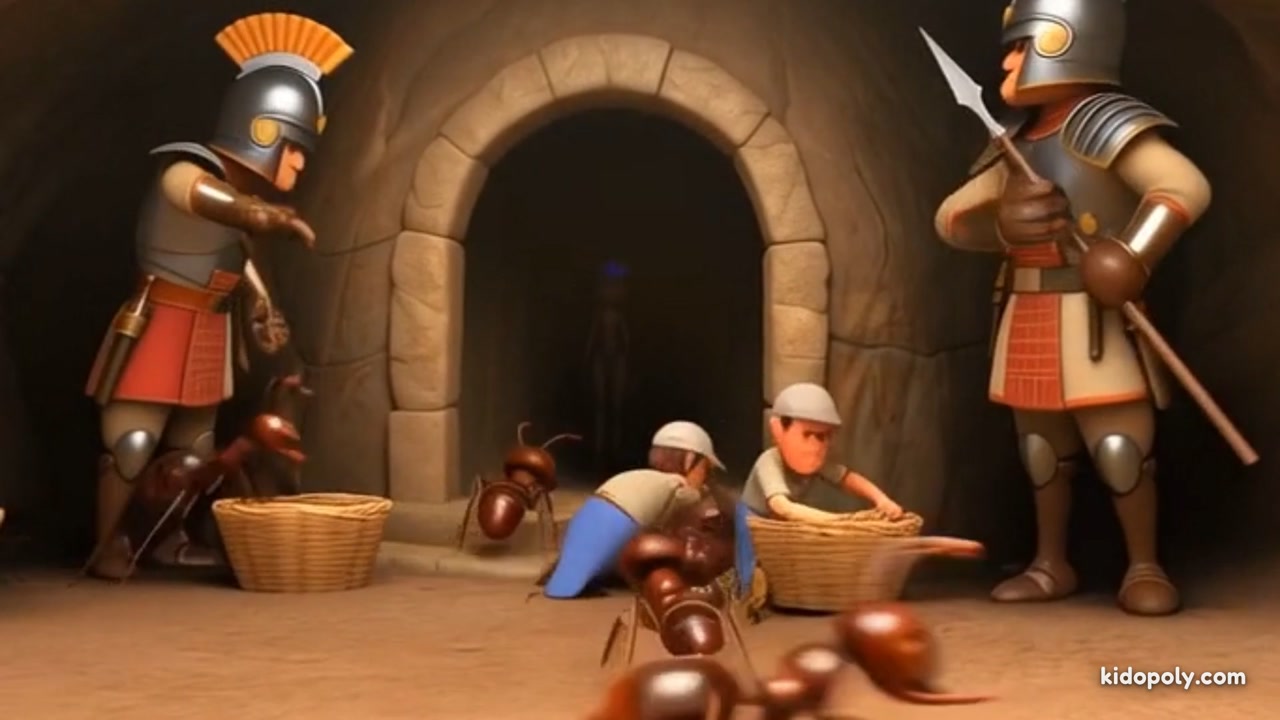
Communication is most important for insects that live in big groups, like ants. When an ant finds a crumb of cake, it doesn't just eat it alone; it leaves a scent trail all the way back to the colony. This invisible path acts like a glowing neon sign for other ants to follow. If the food source is extra large, more ants join the line, making the scent even stronger! This incredible teamwork is only possible because insects have mastered the art of talking without words, allowing millions of tiny creatures to work together as one big family.