1Prehistoric Masterpieces
Imagine crawling through a narrow, winding tunnel into a massive underground room where the walls are covered in giant, colorful animals. Long before humans built cities or wrote books, they were master artists! Some of the most famous cave art sites, like Lascaux in France, contain over 600 paintings. Because there was no sunlight deep inside these caves, these early creators had to work by the flickering glow of stone lamps filled with animal fat. This moving light would have made the painted mammoths and bison look like they were running across the rocky walls.
2The First Paint Sets
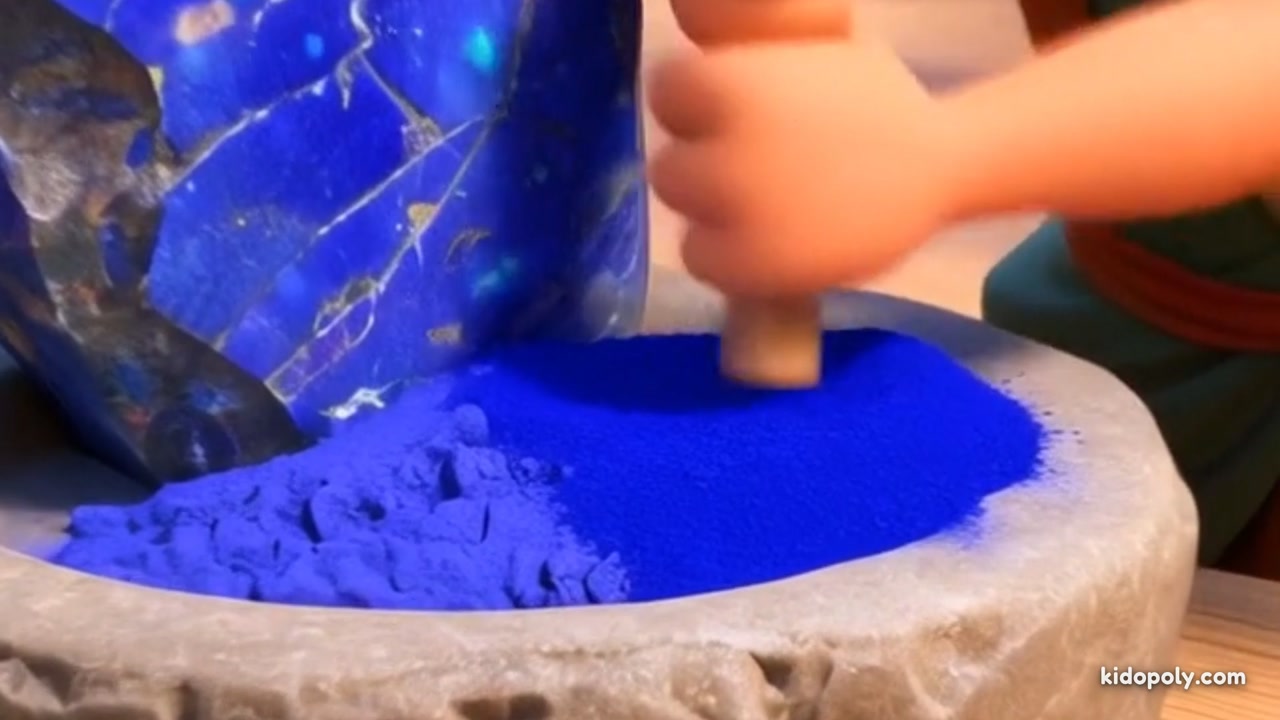
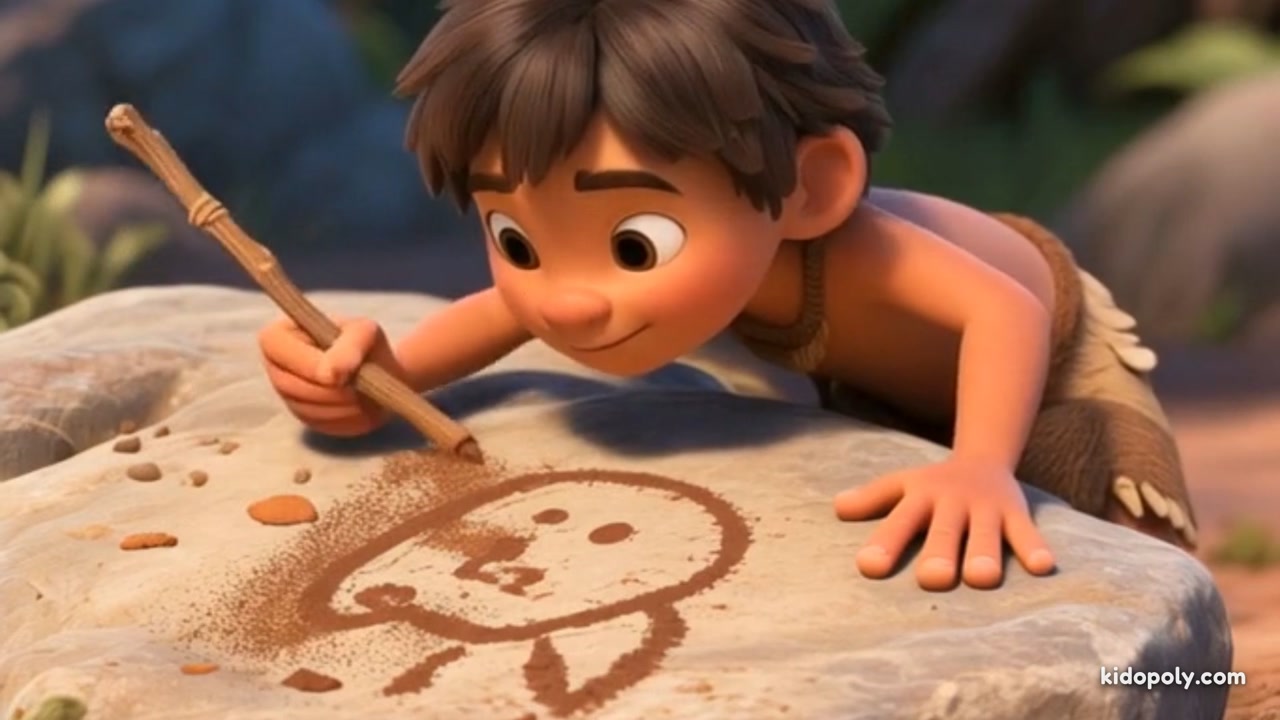
How did people make art without a craft store? They looked to nature! To create their vibrant palettes, Stone Age artists gathered colorful rocks and minerals from the earth. They used red and yellow ochre (a type of clay) and black charcoal from their fires. By grinding these into a fine powder and mixing them with water or sticky animal fats, they created a thick paint that has lasted for tens of thousands of years. They didn't just use their fingers, either; they fashioned brushes from animal hair and used hollow bird bones to blow paint onto the walls, creating the world's first spray-paint stencils.
3Messages Across Time
These ancient galleries aren't just pretty pictures; they are a window into the minds of people who lived during the Ice Age. Many of the animals shown, like the woolly rhino or the giant elk, are now extinct. Scientists believe these paintings might have been part of special ceremonies to help hunters find food, or perhaps they were a way to record important stories and myths. By leaving their handprints on the walls, these early humans left a permanent signature that says, "I was here," connecting us to our ancestors from over 40,000 years ago.