Geology 1:00

Cave Crystal Sculptures for Kids

1Nature's Silent Underground Artists

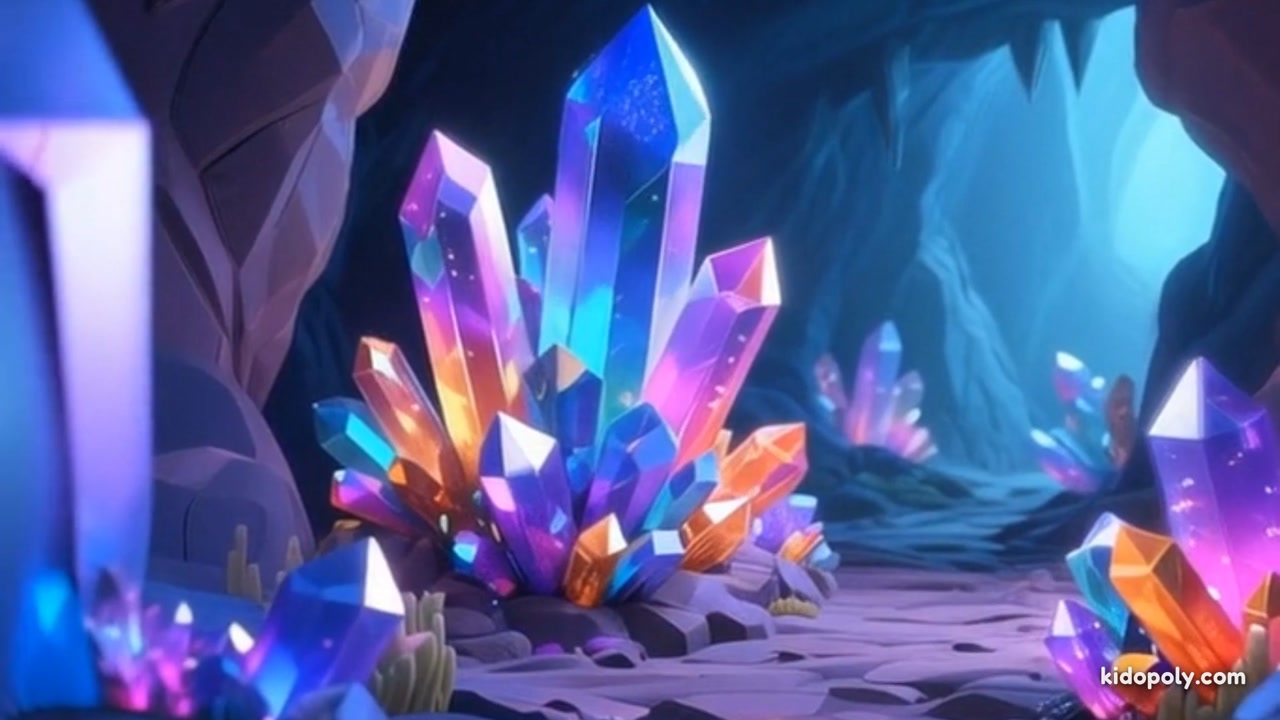
Deep beneath our feet, nature acts as a secret artist, carving out magnificent museums filled with sparkling treasures. These underground worlds are formed over millions of years as rainwater seeps through the soil and slowly dissolves soft rocks like limestone. As the water travels through the earth, it picks up a mineral called calcium carbonate. When this mineral-rich water finally reaches a cave, it drips from the ceiling, leaving behind tiny bits of stone that eventually grow into the amazing shapes we see today.

2Stalactites vs. Stalagmites

The most famous sculptures found in caves are stalactites and stalagmites. A great way to remember which is which is to think that stalactites hang "tight" to the ceiling, while stalagmites "might" reach the top one day! These formations grow at an incredibly slow pace. In many caves, it takes over 100 years for a formation to grow just one single inch. This means that a large pillar of cave crystal could be older than the ancient pyramids of Egypt!

3The Colorful Science of Cave Pillars

Sometimes, stalactites and stalagmites grow so much that they eventually meet in the middle, forming a solid "column" or pillar that looks like a tree trunk made of stone. These sculptures aren't always white; they can be orange, red, or brown depending on other minerals, like iron, found in the soil above. It is very important never to touch these formations if you visit a cave. The natural oils on human skin can act like a waterproof shield, preventing the water from depositing new minerals and stopping the crystal's growth forever.
Video Transcript

Introduction

Imagine walking into a hidden underground world, where water has worked for thousands of years to create sparkling crystal sculptures! Dripping water slowly leaves behind tiny bits of rock, building amazing shapes like icicles hanging from the ceiling (stalactites) and growing upwards from the floor (stalagmites). These silent artists create a truly magical scene.

Key Facts

Did you know that it can take hundreds or even thousands of years for stalactites and stalagmites to grow just one centimetre? The longest stalactite ever found is over 60 metres long! They are formed by mineral-rich water, usually containing calcium carbonate, dissolving rock from above and then depositing it as it drips.

Think About It

What would happen to these amazing cave formations if the water that makes them suddenly stopped dripping completely?

The Answer

If the water stopped dripping, the formations would stop growing! They need the constant, slow drip of water carrying dissolved minerals to build up their incredible shapes over thousands of years. Without it, the silent sculpting would cease, and the cave would become a frozen moment in time.

Frequently Asked Questions

What is the difference between a stalactite and a stalagmite?

Stalactites hang down from the cave ceiling like icicles, while stalagmites grow up from the floor. A great way to remember is that stalactites hang 'tight' to the ceiling, and stalagmites 'might' one day reach the top!

How fast do cave crystals actually grow?

Cave formations grow incredibly slowly, often taking hundreds or even thousands of years just to grow the width of a single centimeter. The speed depends on how much water is dripping and the amount of minerals dissolved inside each drop.

Why shouldn't you touch the crystals in a cave?

You should never touch cave crystals because the natural oils on your hands can ruin them. These oils create a coating that stops the mineral-rich water from sticking to the rock, which prevents the formation from growing any further.

What are cave crystals made of?

Most cave formations are made of a mineral called calcite, which comes from calcium carbonate. This is the same material found in seashells and even the chalk your teacher uses at school!

Watch More Videos

Discover fun educational videos about science, history, animals, and more.

Explore All Videos
Audience Debug