Weather 1:00

Cloud Shapes Predict for Kids

1Nature's Secret Sky Code

Clouds are more than just fluffy decorations in the sky; they are actually collections of tiny water droplets or ice crystals floating together. Meteorologists—scientists who study the weather—use these shapes to understand what is happening in the atmosphere. The height of a cloud is one of the biggest clues! High-altitude clouds, like wispy Cirrus clouds, usually sit more than 20,000 feet above the ground. Because it is so cold up there, these clouds are made entirely of ice, even during a hot summer day. When you see them, it often means the weather is about to change within the next 24 hours.

2Meet the Fluffy Cloud Family

You can identify most clouds by looking for three main shapes: Cirrus (wispy), Cumulus (puffy), and Stratus (flat). Puffy Cumulus clouds are the ones that look like floating cotton balls with flat bottoms. If they stay small and white, it is usually a sign of fair weather. However, if you see Lenticular clouds, which look like giant flying saucers or stacks of pancakes, you know there are strong winds blowing over mountains nearby. These strange-looking clouds stay in one place even when the wind is blowing hard, creating a spectacular sight for anyone looking up.

3Spotting the Storm Warnings

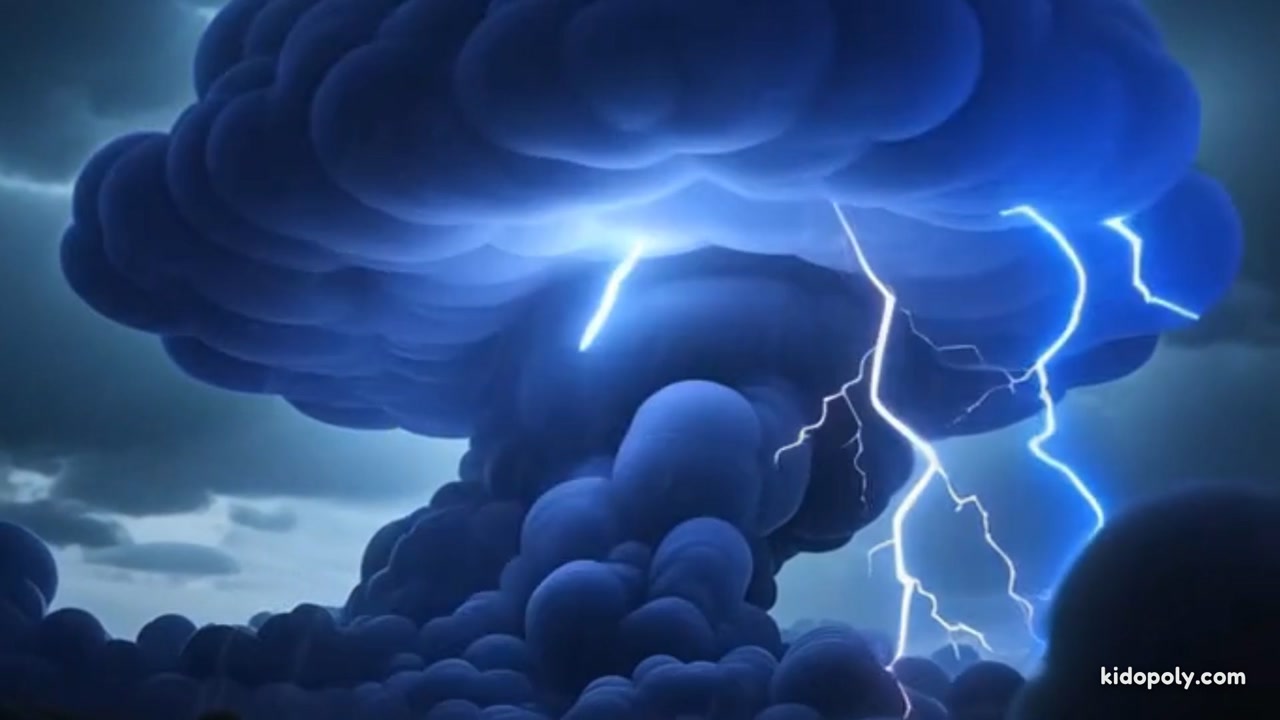
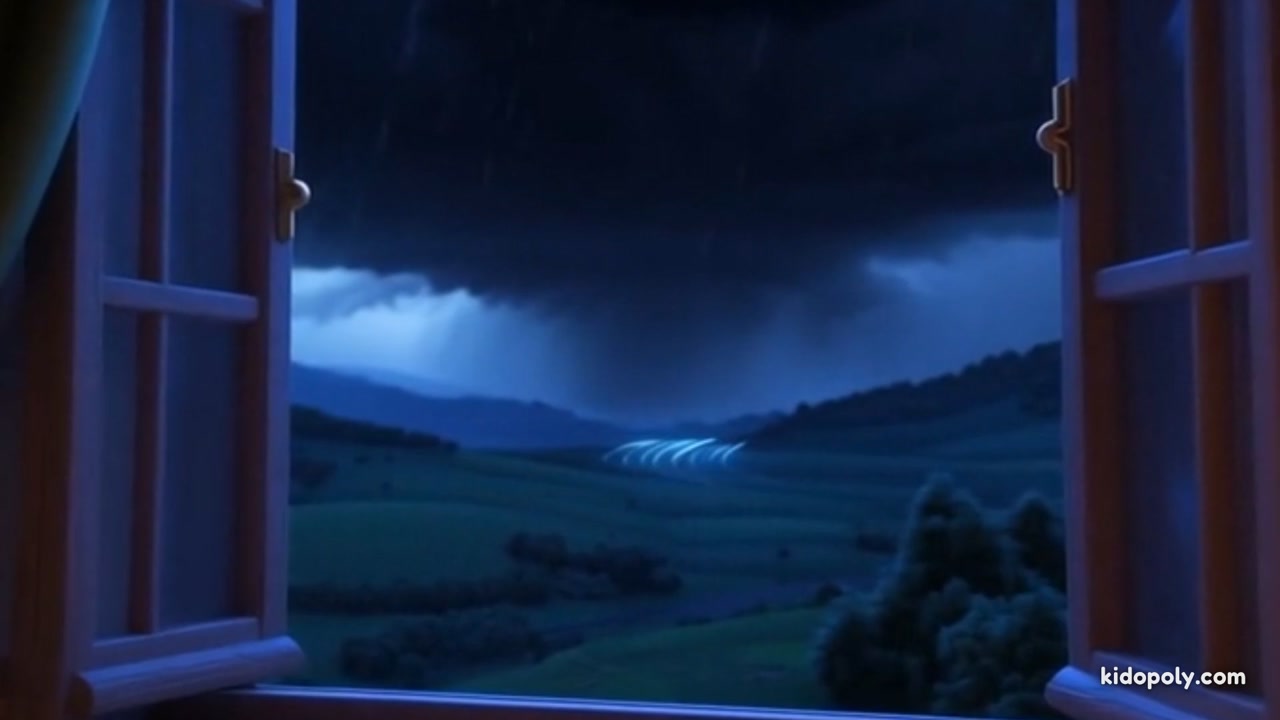
The most important cloud to recognize is the Cumulonimbus. These start as small, puffy clouds but grow vertically until they look like giant towers or mountains in the sky. They can reach the very top of the troposphere, where the wind flattens their tops into the shape of a blacksmith's anvil. If you see a cloud with a flat, anvil-shaped top, a thunderstorm is definitely on the way! These giant clouds can hold millions of tons of water and are responsible for heavy rain, hail, and even lightning, serving as nature's loudest warning to find a safe place indoors.
Video Transcript

Introduction

Did you know that clouds are like nature's very own weather report? Different shapes and heights of clouds can tell us what kind of weather is heading our way, whether it is sunshine, gentle rain, or a big storm! Learning to 'read' the clouds is a fun way to understand the sky and predict what the day might bring.

Key Facts

Did you know that some high, wispy cirrus clouds are made entirely of ice crystals, even on a warm day? Also, a special type of cloud called a 'lenticular cloud' looks like a stack of pancakes or even a flying saucer, often forming over mountains! And if you see small, puffy altocumulus clouds, it might mean thunderstorms are brewing later.

Think About It

If you see tall, dark clouds building up very high in the sky, what weather might be coming later?

The Answer

Tall, dark clouds that build up high are often 'cumulonimbus' clouds, which are storm clouds! They usually mean a thunderstorm is on its way, bringing heavy rain, thunder, and lightning, so it is a good idea to seek shelter indoors.

Frequently Asked Questions

Why do some clouds look like animals or objects?

This is usually caused by Cumulus clouds, which are very lumpy and constantly changing shape as air moves around them. Because they are low in the sky and have distinct edges, our brains try to find familiar patterns in them, like rabbits, cars, or faces!

What does a gray, flat sky mean?

A sky that looks like a solid gray blanket is covered in Stratus clouds. These clouds usually mean a dreary day with light mist or drizzle, but they don't typically bring the heavy thunder and lightning that puffy storm clouds do.

How fast do clouds move across the sky?

Clouds move at the same speed as the wind at their specific height, which can be over 100 miles per hour in the jet stream! High clouds like Cirrus often move much faster than the low clouds you see near the ground.

Can clouds tell us if it is going to snow?

Yes, if you see thick, low-hanging clouds that turn a dark, heavy gray, it usually means precipitation is coming. If the temperature near the ground is below freezing (32°F or 0°C), those water droplets will turn into snowflakes before they reach you!

Watch More Videos

Discover fun educational videos about science, history, animals, and more.

Explore All Videos
Audience Debug