Art 1:00

Natural Colours for Kids

1The Hunt for Nature’s Rainbow

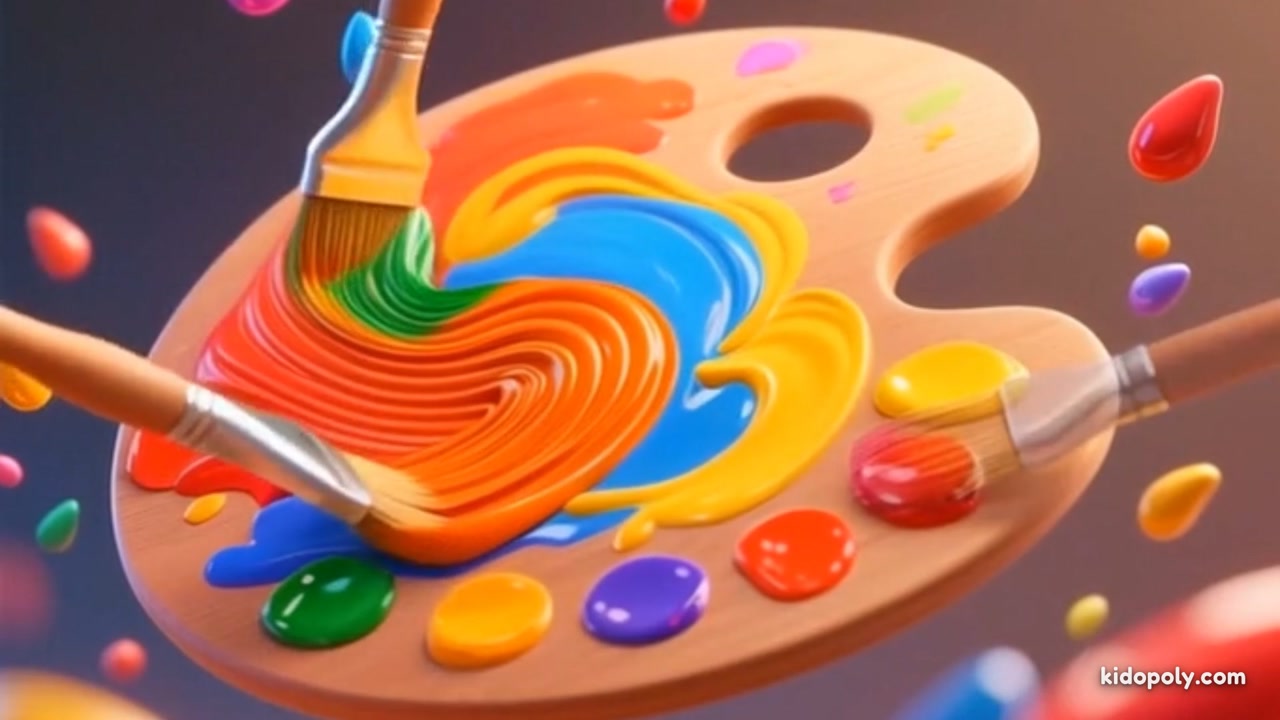
Thousands of years before you could walk into a shop and buy a set of watercolours, the world was an artist's laboratory! Early humans were part-detective and part-scientist, scouring the earth for vibrant materials to tell their stories. They didn't just look at flowers; they looked at the very ground beneath their feet. By grinding up earthy minerals like yellow and red ochre, they created the world's first paints. These "earth pigments" were so durable that we can still see them today on the walls of caves, looking just as bright as they did 30,000 years ago!

2Precious Stones and Tiny Bugs

Some colours were so hard to find that they were worth more than gold. One famous example is 'ultramarine', a deep blue made from a semi-precious stone called Lapis Lazuli. This stone had to be mined in the mountains of Afghanistan and carried thousands of miles across deserts. If an artist wanted a brilliant red, they might look for a tiny insect called the cochineal. By drying and crushing these little bugs, they extracted a powerful pigment called carmine. It takes about 70,000 of these tiny insects just to make one pound of red dye!

3The Magic of Ancient Chemistry

As civilizations grew, people learned to use heat and chemistry to invent brand-new shades. The Ancient Egyptians were masters of this; they created 'Egyptian Blue' around 2,500 BCE by mixing sand, copper, and lime, then heating it in a furnace to a scorching 900 degrees Celsius! This was the world's first synthetic pigment. Other artists used plants like indigo for deep blues or saffron for golden yellows. Whether it was boiling roots or crushing crystals, making paint was a magical process of turning the natural world into a masterpiece.

Video Transcript

Introduction

Before shops sold tubes of colourful paint, artists had to find their colours in nature! They discovered how to crush rocks, grind plants, and even use insects to create beautiful shades of red, blue, green, and yellow. It was a bit like being a detective and a scientist, searching the world for vibrant pigments.

Key Facts

Did you know, the expensive blue colour 'ultramarine' was originally made from grinding a precious stone called Lapis Lazuli, found far away in Afghanistan? Did you know, a brilliant red pigment called carmine was traditionally made by crushing tiny cochineal insects? Did you know, ancient Egyptians made a bright blue pigment, 'Egyptian Blue', using sand, copper, and lime, by heating them to a very high temperature.

Think About It

If there were no shops to buy paint, where would you find colours in nature to make your own art?

The Answer

You could find colours in many natural places! From colourful rocks and minerals like ochre for reds and yellows, to plants like indigo for blue or saffron for yellow, and even certain insects or types of soil. By crushing or processing them, you could extract their pigments to create paint.

Frequently Asked Questions

What was the first colour ever used in art?

The first colours used by humans were 'earth pigments' like red and yellow ochre, which are made from clay and iron. These were used in cave paintings tens of thousands of years ago because they were easy to find in the ground and lasted a very long time.

How did artists make paint stick to walls?

Because crushed rocks and plants are just powders, artists had to mix them with a 'binder' to make them liquid and sticky. They used all sorts of things from nature, including spit, animal fat, vegetable oils, and even egg yolks to make their paint stay put!

Is it true that some paint was made from mummies?

Yes, it sounds spooky, but in the 16th and 17th centuries, artists used a pigment called 'Mummy Brown.' It was actually made by grinding up ancient Egyptian mummies, though eventually, artists realized this wasn't a very respectful way to make art and stopped using it.

Can I make my own natural paint at home?

Absolutely! You can find colours in your kitchen or garden by using things like turmeric for yellow, beetroot for pink, or crushed charcoal for black. Just mix the juice or powder with a little bit of water and honey to create your very own natural palette.

Watch More Videos

Discover fun educational videos about science, history, animals, and more.

Explore All Videos
Audience Debug