Ocean 1:00

Tiny Reef Architects for Kids

1The World’s Smallest Construction Workers

Coral reefs are some of the most spectacular sights on Earth, and they are built by tiny animals called polyps! These soft-bodied creatures are no bigger than a pea, but they are master architects. To protect their squishy bodies, each polyp pulls a mineral called calcium from the seawater to build a hard, stony cup around itself. When thousands of these polyps grow next to each other, their skeletons connect to form the solid foundation of a reef. Because they grow so slowly—sometimes only 1 to 10 centimeters a year—the massive reefs we see today have actually been under construction for thousands of years!

2A Superpowered Team-Up

Did you know that corals have a secret partnership with tiny algae called zooxanthellae? These algae live safely inside the coral's skin and act like tiny solar panels. They take energy from the sun to create food, which they share with the coral to help it grow. In return, the coral provides the algae with a safe home and the nutrients they need to survive. This amazing team-up is also what gives coral reefs their vibrant pink, orange, and purple colors. This is why reefs grow best in shallow, clear water—the algae need plenty of bright sunlight to keep their coral friends healthy and strong!

3The Rainforests of the Sea

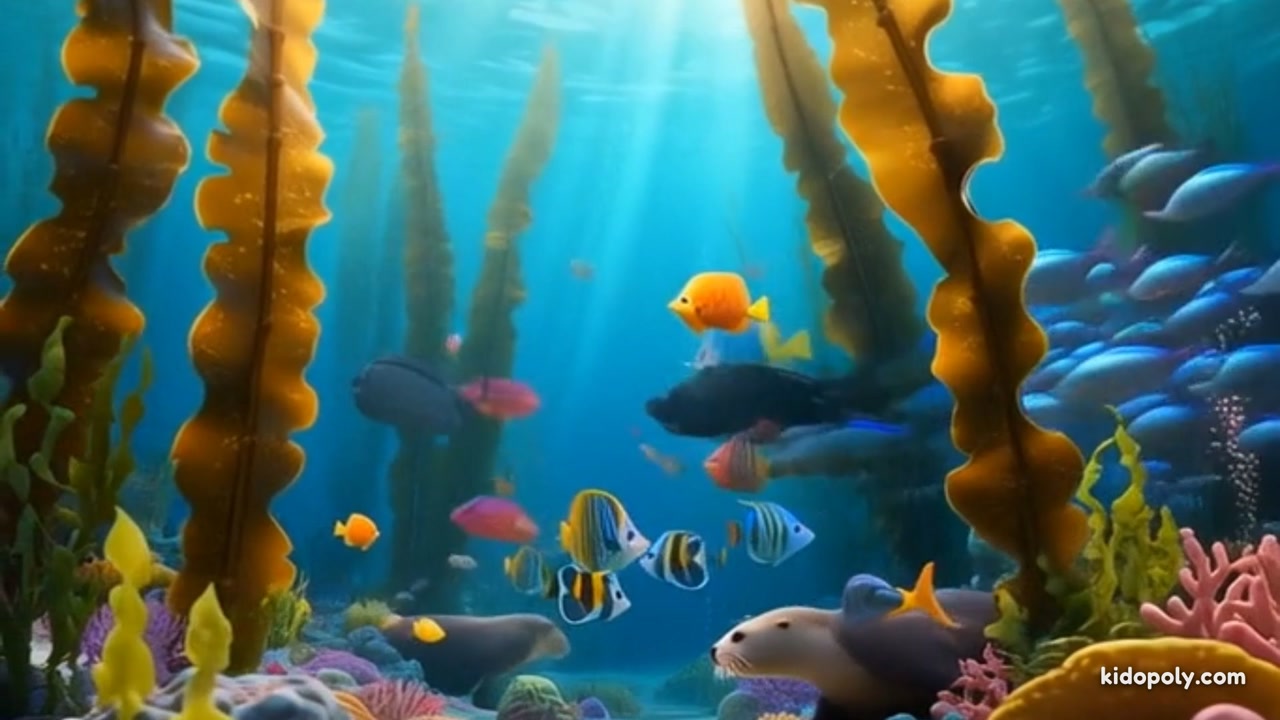
Even though coral reefs cover less than 1% of the entire ocean floor, they are home to more than 25% of all marine life! Because of this, scientists often call them the "rainforests of the sea." These underwater cities provide food and shelter for over 4,000 species of fish, as well as sea turtles, octopuses, and crabs. From the Great Barrier Reef, which is so big it can be seen from outer space, to the small fringing reefs near tropical islands, these tiny architects create the most biodiverse ecosystems in our oceans.
Video Transcript

Introduction

Under the sea, there are bustling, colourful cities built by tiny, soft-bodied animals called coral polyps! These amazing little architects work together for thousands of years, slowly building the magnificent structures we call coral reefs. They are like busy construction workers, creating homes for countless other ocean creatures.

Key Facts

Did you know that each coral polyp is only about the size of a pea? These tiny animals pull calcium from the seawater to build their hard, stony skeletons, which then connect together to form the reef structure. Most reef-building corals have tiny algae living inside them, called zooxanthellae, which help the coral get energy from sunlight and give the coral its beautiful colours!

Think About It

Why do coral reefs grow best in warm, clear, shallow ocean waters?

The Answer

Coral reefs need warm, clear, and shallow waters because the tiny algae, called zooxanthellae, that live inside the coral polyps need sunlight to make food. Just like plants, these algae use sunlight to create energy, which they share with the coral. Clear, shallow water lets lots of sunlight through, helping both the algae and the coral thrive and build big reefs.

Frequently Asked Questions

Are corals plants or animals?

Corals are definitely animals! While they might look like colorful plants or rocks because they stay in one place, they are actually related to jellyfish and sea anemones, and they even have tiny stinging tentacles to catch food.

How big can a coral reef get?

Coral reefs can grow to be incredibly large over millions of years. The Great Barrier Reef in Australia is the largest on Earth, stretching for over 1,400 miles, which is long enough to be seen by astronauts in space!

What happens to a reef at night?

When the sun goes down, the reef becomes very active as many coral polyps extend their tentacles to hunt for tiny floating food called plankton. Many nocturnal animals, like eels and lobsters, also come out of their hiding spots to explore the reef in the dark.

Why is coral hard if the animals are soft?

The soft polyps protect themselves by building a hard outer skeleton made of calcium carbonate, which is the same material found in chalk and seashells. This hard shell acts like a tiny stone fortress that protects the animal from waves and predators.

Watch More Videos

Discover fun educational videos about science, history, animals, and more.

Explore All Videos
Audience Debug