Science 1:00

Underwater Volcano Gardens for Kids

1Hot Chimneys in the Deep Dark

Deep beneath the ocean waves, far past where even a single ray of sunlight can reach, the seafloor is home to a spectacular sight: hydrothermal vents. These look like rocky chimneys or "underwater volcanoes" that blast out dark, mineral-rich water. This water can reach temperatures up to 400 degrees Celsius (750 degrees Fahrenheit)! Even though this is hot enough to melt lead, the water doesn't boil because the weight of the ocean above creates immense pressure. These vents act like geysers on the ocean floor, creating a warm, cozy home in the otherwise freezing, pitch-black deep sea.

2Life Without the Sun

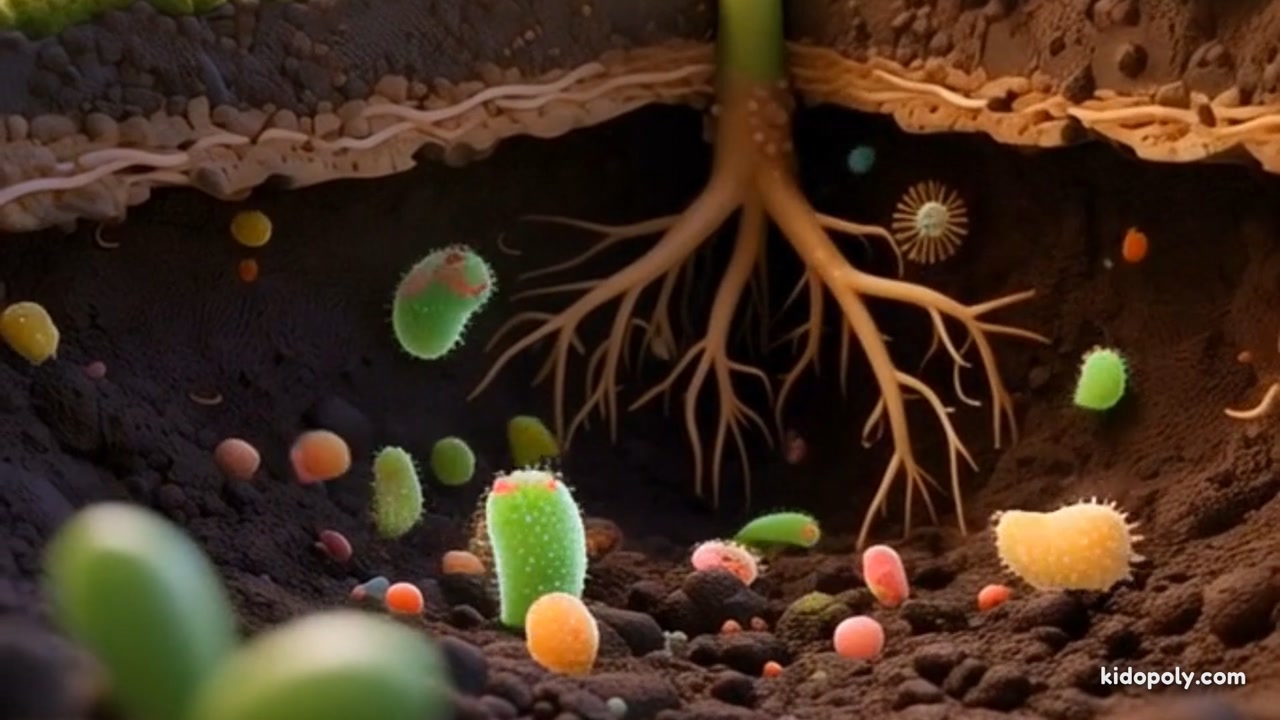
On land, plants need sunlight to grow, but in these underwater gardens, life finds a different way to survive. Instead of photosynthesis, the tiny organisms here use a superpower called chemosynthesis. Specialized bacteria live near the vents and turn the chemicals coming out of the Earth—like hydrogen sulfide—into energy and food. This means that the entire ecosystem is powered by our planet’s inner heat and chemical energy rather than the sun. It is a completely different way for life to exist, showing us that nature is even more creative than we imagined!

3Meet the Deep Sea Neighbors

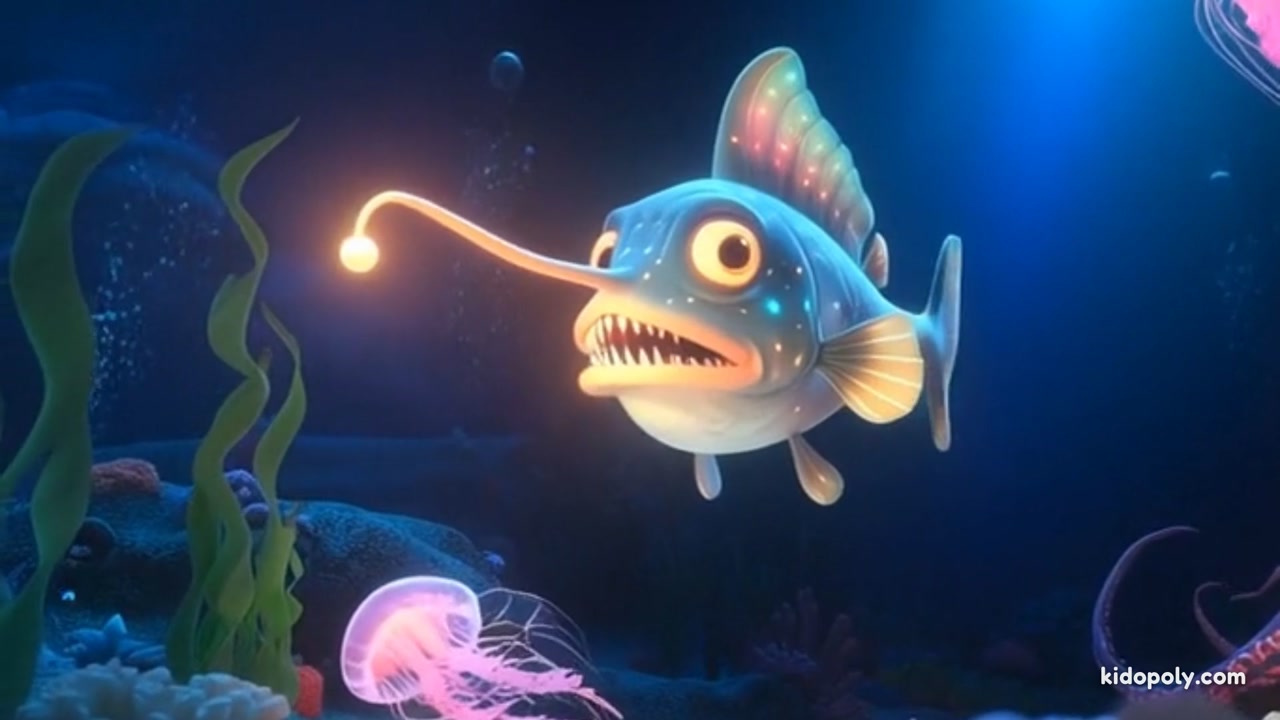
Because there is plenty of food made by bacteria, many strange and beautiful creatures gather around these vents. You might find giant tube worms that can grow over 6 feet long, but have no mouth or stomach! Instead, they host the bacteria inside their bodies. There are also pale "Yeti crabs" with fuzzy arms, blind shrimp that can sense heat, and even octopuses that prowl the edges of these warm gardens. These vents are like bustling cities at the bottom of the world, proving that even in the toughest conditions, life can thrive and bloom.
Video Transcript

Introduction

Imagine a world without sunlight, miles deep in the ocean, where water explodes from the seafloor at super hot temperatures! These are deep-sea hydrothermal vents, like underwater chimneys. Instead of sunlight, strange creatures here use heat and chemicals from Earth's core to create food, making them truly unique gardens of life in the darkest depths.

Key Facts

Did you know that the water shooting out of deep-sea vents can be as hot as 400 degrees Celsius, but it does not boil because of the immense pressure? Also, the creatures living around these vents do not use sunlight for energy like most life on Earth. Instead, they use a process called chemosynthesis, where special bacteria convert chemicals from the vents into food.

Think About It

Why is it so surprising that so much life can exist around deep-sea vents, even without any sunlight?

The Answer

It is surprising because nearly all life on Earth relies on sunlight to make food through photosynthesis. Deep-sea vents are too far down for any light to reach. But the amazing creatures there have found a different way: they use chemicals from the vents as their energy source. This shows life can thrive in unexpected places and in surprising ways.

Frequently Asked Questions

Why doesn't the super hot water boil at the bottom of the ocean?

Even though the water reaches 400 degrees Celsius, it stays liquid because of the incredible pressure from the miles of water sitting on top of it. This pressure is so strong that it physically prevents the water molecules from turning into steam!

What do animals at hydrothermal vents eat if there are no plants?

Instead of eating plants, the animals rely on special bacteria that perform chemosynthesis. These bacteria turn the chemicals found in the vent water into food, and many animals either eat the bacteria or live in a partnership with them to get energy.

How deep are these underwater volcano gardens?

Most hydrothermal vents are found about 1 to 3 miles (2,000 to 5,000 meters) below the surface of the ocean. At this depth, the water is naturally near freezing, which makes the warm vents even more important for the creatures living there.

Can humans go down to visit the deep-sea vents?

It is very difficult for humans to go that deep because of the intense pressure and darkness. Scientists usually visit these underwater gardens using special high-tech robotic submarines or small, reinforced diving vessels like the famous 'Alvin' submersible.

Watch More Videos

Discover fun educational videos about science, history, animals, and more.

Explore All Videos
Audience Debug