1The Mystery of Morning Dew
Have you ever walked outside early in the morning and felt the wet grass, even though it didn’t rain overnight? That beautiful morning shimmer comes from dew! It happens because air always contains invisible water vapour. During the day, the warm air holds onto this moisture, but as the ground cools down at night, the air right above the grass can't hold the water anymore. When it reaches a specific temperature called the 'dew point,' the vapour turns into tiny liquid droplets. It is exactly like the 'sweat' you see on the outside of a cold glass of lemonade on a hot summer day!
2Frost: Nature’s Ice Sculptures
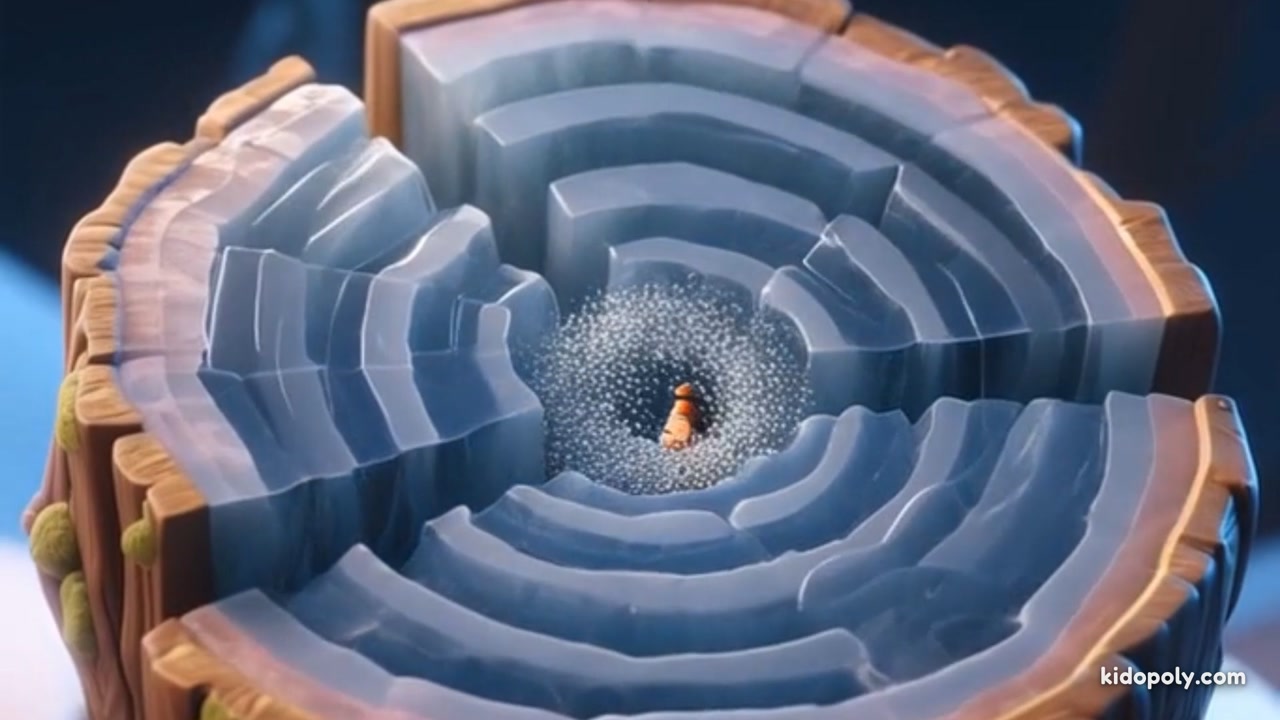
When the temperature drops even further—specifically below the freezing point of zero degrees Celsius—something even more amazing happens. Instead of turning into liquid water, the invisible water vapour in the air turns directly into solid ice crystals! This process creates frost. You might see it as white, crunchy coating on the grass or as intricate, feathery patterns on a windowpane. Unlike dew, which is liquid, frost is made of ice. In very dry places like deserts, dew and frost are super important because they provide a sneaky drink of water for small plants and beetles that live in the sand.
3The Great Disappearing Act
As the sun rises and climbs higher in the sky, the dew and frost usually vanish. This isn't a magic trick; it’s science! The sun’s energy warms up the surfaces where the water is sitting. This heat gives the water molecules enough energy to turn back into invisible gas. This part of the water cycle is called evaporation. The water doesn't disappear forever—it just floats back up into the atmosphere to wait for the next cool night to become dew or frost all over again. It is a never-ending cycle that keeps our planet's weather moving!