1Solving the Prehistoric Brain Mystery
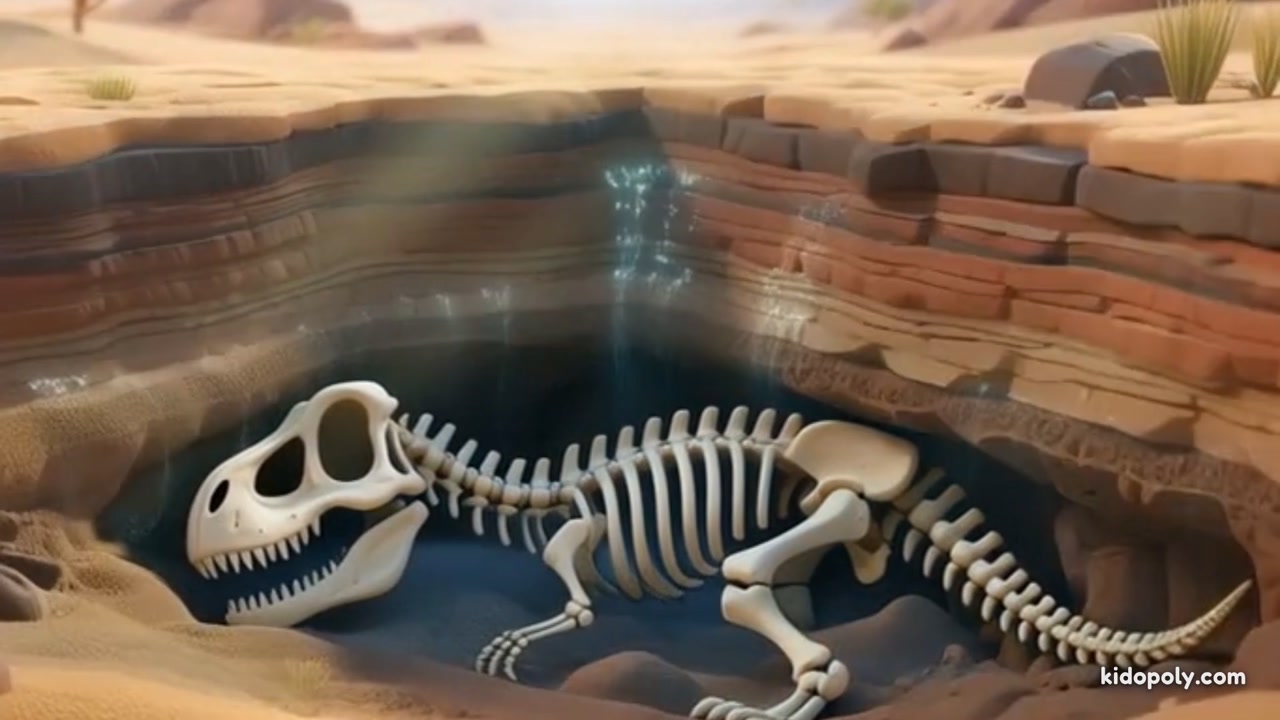
How do we know what was happening inside a dinosaur's head millions of years after they vanished? Since brains are made of soft tissue that doesn't usually turn into fossils, scientists have to become prehistoric detectives. They look at the empty space inside fossilized skulls to create "endocasts." These are 3D models—sometimes made with high-tech CT scans—that show the exact shape and size of the brain. By looking at these models, experts can see which parts of the brain were the biggest. For example, if the olfactory bulbs were huge, it meant the dinosaur had an incredible sense of smell for tracking down dinner!
2The High-Tech Hunters of the Past
While some dinosaurs are famous for being a bit slow, others were surprisingly sharp. The Troodon is often called the "Einstein" of the dinosaur world because it had a very high brain-to-body ratio. This tiny, feathered predator had a brain similar in proportion to modern-day flightless birds. They also had massive eye sockets that faced forward, giving them depth perception just like humans. This suggests they weren't just acting on instinct; they were likely calculating distances and planning complex hunting strategies, perhaps even working together in packs to take down much larger prey under the cover of night.
3The Truth About the Walnut Brain
You might have heard that the giant, plated Stegosaurus had a brain the size of a walnut, which sounds tiny for a beast as big as a bus! While its brain was indeed small (weighing only about 80 grams), it was perfectly designed for its lifestyle. Stegosaurus didn't need to solve puzzles; it just needed to find plants and swing its spikey tail for defense. For a long time, people thought some big dinosaurs had a "second brain" in their hips to help move their back legs, but we now know that was actually a special bundle of nerves. Even with small brains, these amazing creatures ruled the Earth for over 180 million years!