Dinosaurs 1:00

Dinosaur Colours for Kids

1Solving a Prehistoric Mystery

Palaeontologists are like nature's detectives! For a long time, people assumed all dinosaurs were a dull, scaly grey or lizard-green. However, modern science has changed everything. By looking at fossils under powerful microscopes, scientists have discovered tiny structures called melanosomes. These are like microscopic "paint pots" that held pigments millions of years ago. Depending on the shape of these pots—round or long—we can tell if a dinosaur had ginger feathers, black scales, or even iridescent, shiny colors that shimmered in the sun!

2The Flashy Sinosauropteryx

One of the most exciting breakthroughs involved a small, feathered dinosaur called Sinosauropteryx. When experts studied its exceptionally well-preserved fossil, they found evidence of distinct banding patterns. This means the Sinosauropteryx had a striped tail with bright orange and white rings, looking a bit like a prehistoric raccoon! It was the first time in history that humans could prove the exact color and pattern of a dinosaur, showing us that the Mesozoic world was much more vibrant than we once thought.

3Why Be Colourful?

Dinosaurs didn't have colorful patterns just to look cool; they used them to survive! Just like animals today, dinosaurs used color for camouflage to hide from predators or to sneak up on their own lunch. Others, especially feathered species, likely used bright reds, blues, and yellows to communicate. These bold markings could be used to attract a mate, showing they were healthy and strong, or to warn rivals to stay away from their territory. From spots to stripes, the dinosaur world was a colorful explosion of life!
Video Transcript

Introduction

Have you ever wondered if dinosaurs were bright green, camouflage brown, or perhaps even sparkly blue? Discovering a dinosaur's exact colour is very tricky because colour usually comes from soft skin and feathers, which rarely fossilise. However, scientists sometimes find tiny clues called 'melanosomes' in incredibly well-preserved fossils, which are like little packets of pigment that hint at possible shades and patterns, making it a thrilling detective job!

Key Facts

Did you know that some feathered dinosaurs, like Sinosauropteryx, have shown evidence of banding patterns, meaning they might have had rings of different colours on their tails, similar to some modern birds? Did you know that some palaeontologists believe certain dinosaurs might have used bright colours, just like some birds today, to attract mates or warn predators, especially for feathered species?

Think About It

Why might a dinosaur have bright, colourful markings on its body?

The Answer

A dinosaur might have bright, colourful markings for several reasons, similar to modern animals. They could use them to attract a mate, signalling they are healthy and strong. Bright colours could also serve as a warning to predators, indicating they are poisonous or dangerous, even if they weren't.

Frequently Asked Questions

How do scientists know what colour dinosaurs were?

Scientists use high-powered microscopes to find tiny structures called melanosomes in fossilized feathers and skin. By comparing the shapes of these packets to those found in birds today, they can identify colors like ginger, black, and grey.

Were there any dinosaurs with stripes or spots?

Yes! Fossil evidence shows that a small dinosaur called Sinosauropteryx had orange and white stripes on its tail. Other fossils suggest that some dinosaurs had camouflage patterns to help them blend into their environments.

Could dinosaurs have sparkly or shiny feathers?

Scientists have found evidence of iridescence in some feathered dinosaurs, such as Caihong juji. This means their feathers would have shimmered and changed color when the light hit them, much like a modern starling or a peacock.

Why don't we know the colour of every dinosaur?

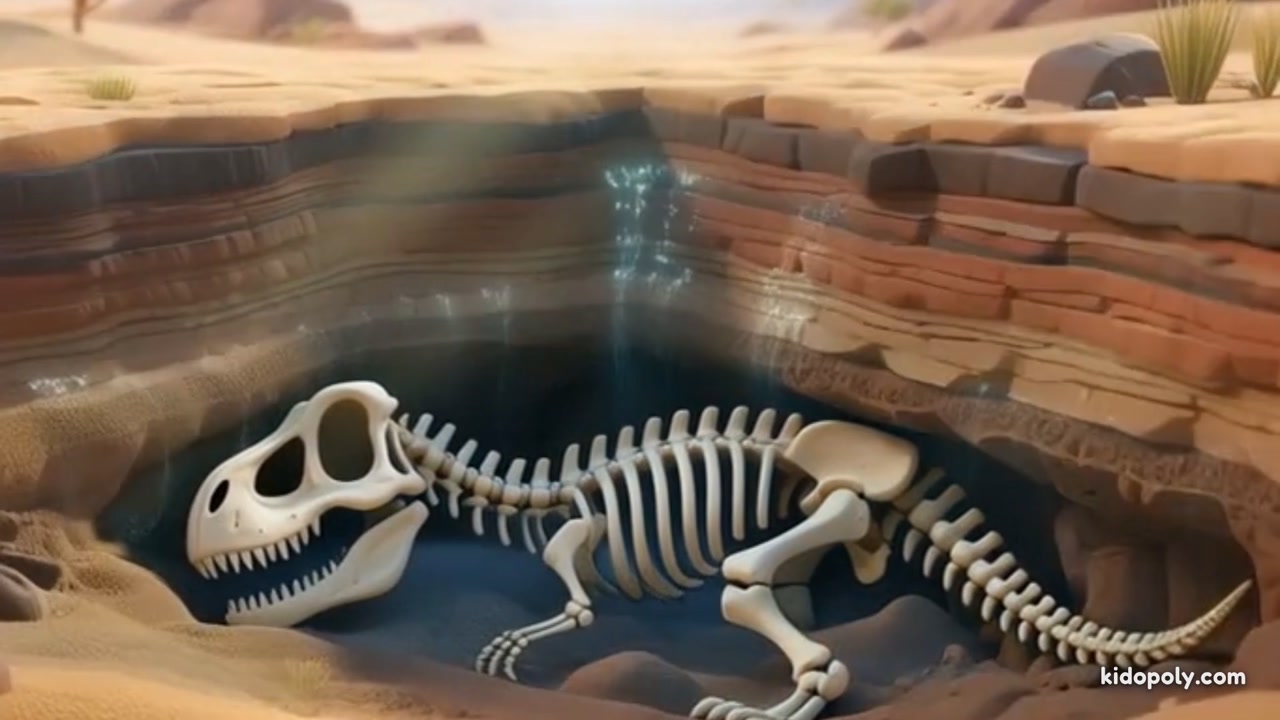
Most fossils are just bones, and the soft skin or feathers usually rot away before they can turn into stone. We can only figure out colors when we find very rare, perfectly preserved fossils that still contain microscopic pigment clues.

Watch More Videos

Discover fun educational videos about science, history, animals, and more.

Explore All Videos
Audience Debug