1Solving a Prehistoric Mystery
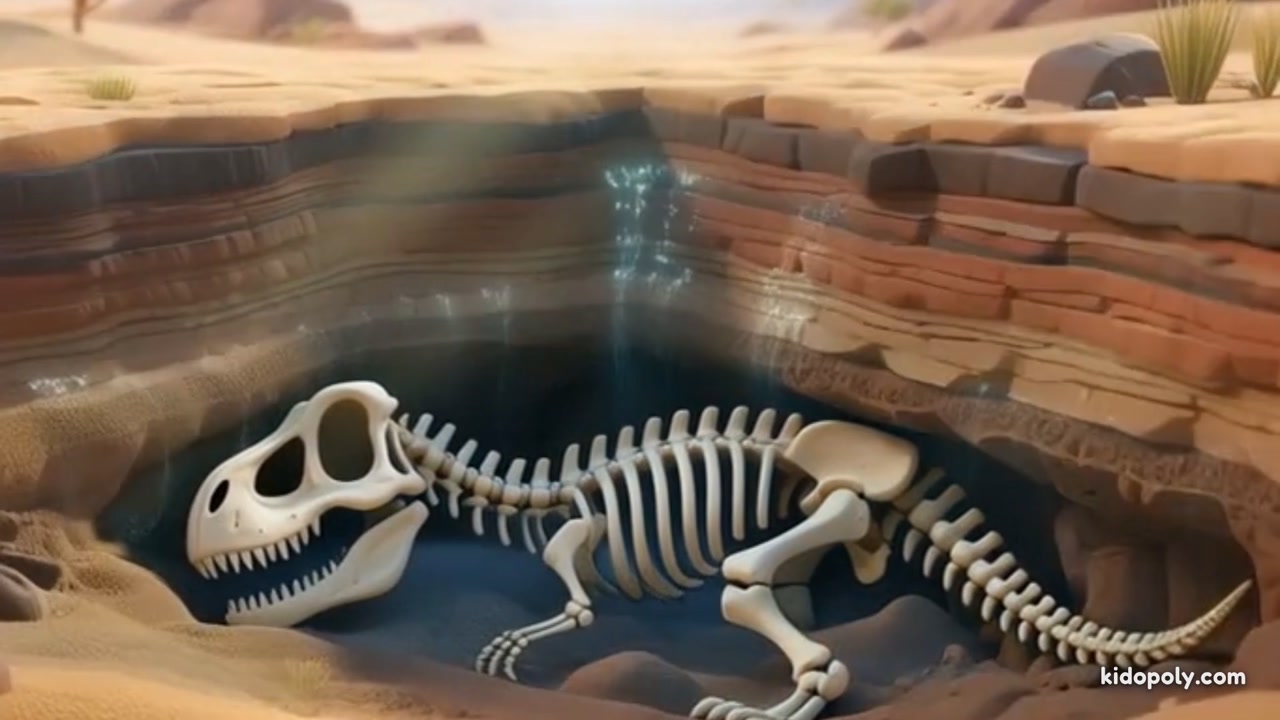
Palaeontologists are like nature's detectives! For a long time, people assumed all dinosaurs were a dull, scaly grey or lizard-green. However, modern science has changed everything. By looking at fossils under powerful microscopes, scientists have discovered tiny structures called melanosomes. These are like microscopic "paint pots" that held pigments millions of years ago. Depending on the shape of these pots—round or long—we can tell if a dinosaur had ginger feathers, black scales, or even iridescent, shiny colors that shimmered in the sun!
2The Flashy Sinosauropteryx
One of the most exciting breakthroughs involved a small, feathered dinosaur called Sinosauropteryx. When experts studied its exceptionally well-preserved fossil, they found evidence of distinct banding patterns. This means the Sinosauropteryx had a striped tail with bright orange and white rings, looking a bit like a prehistoric raccoon! It was the first time in history that humans could prove the exact color and pattern of a dinosaur, showing us that the Mesozoic world was much more vibrant than we once thought.
3Why Be Colourful?
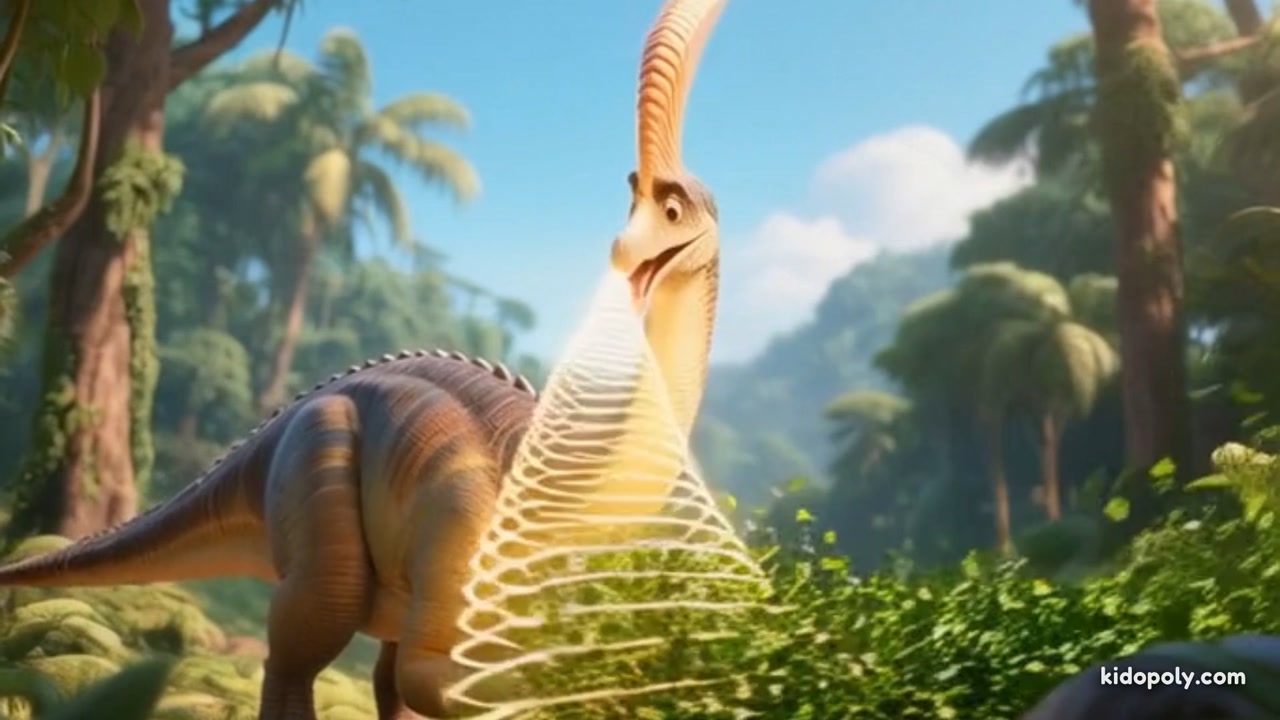
Dinosaurs didn't have colorful patterns just to look cool; they used them to survive! Just like animals today, dinosaurs used color for camouflage to hide from predators or to sneak up on their own lunch. Others, especially feathered species, likely used bright reds, blues, and yellows to communicate. These bold markings could be used to attract a mate, showing they were healthy and strong, or to warn rivals to stay away from their territory. From spots to stripes, the dinosaur world was a colorful explosion of life!