1From Tiny Eggs to Towering Giants
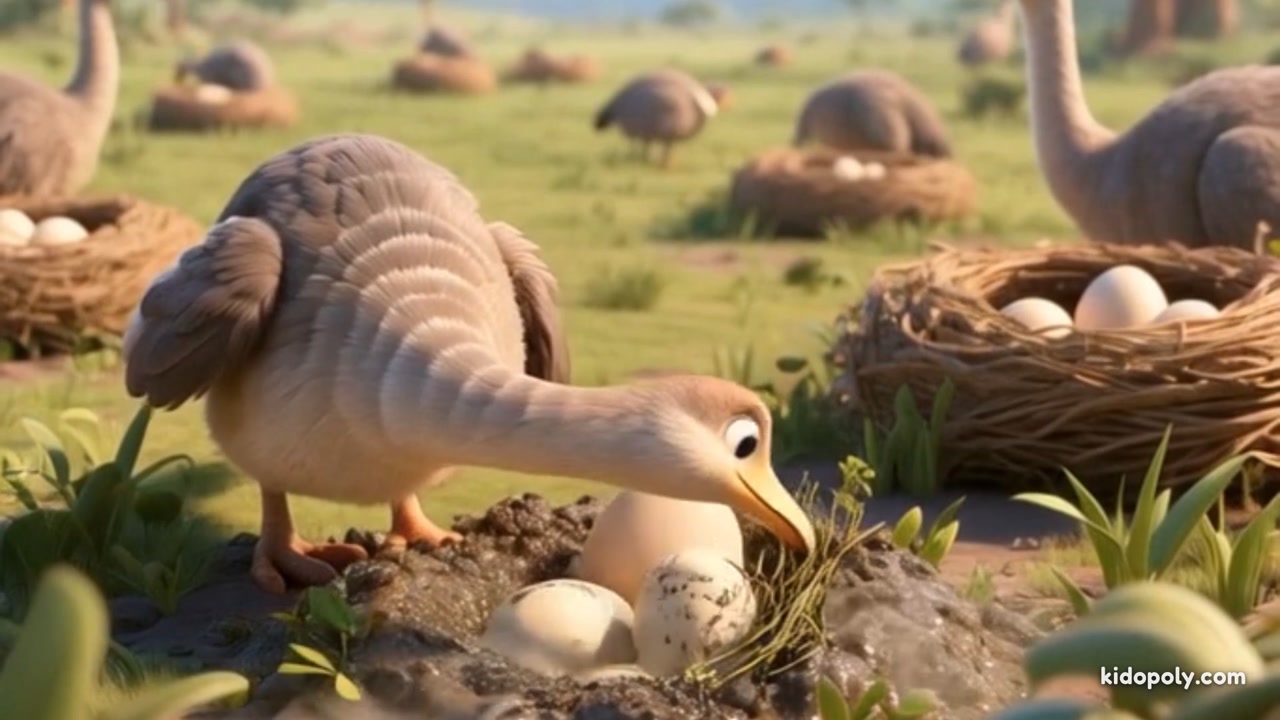
Imagine starting life smaller than a football and ending up as tall as a house! This was the reality for the Tyrannosaurus Rex. Scientists have discovered that dinosaurs didn't grow at a steady pace like humans do. Instead, they had massive "growth spurts" during their teenage years. A young T-Rex might have put on a staggering 600 kilograms (over 1,300 pounds) in just one year! That is like adding the weight of a small car to your body every twelve months just by eating and growing.
2Reading the Secret Rings in Bones
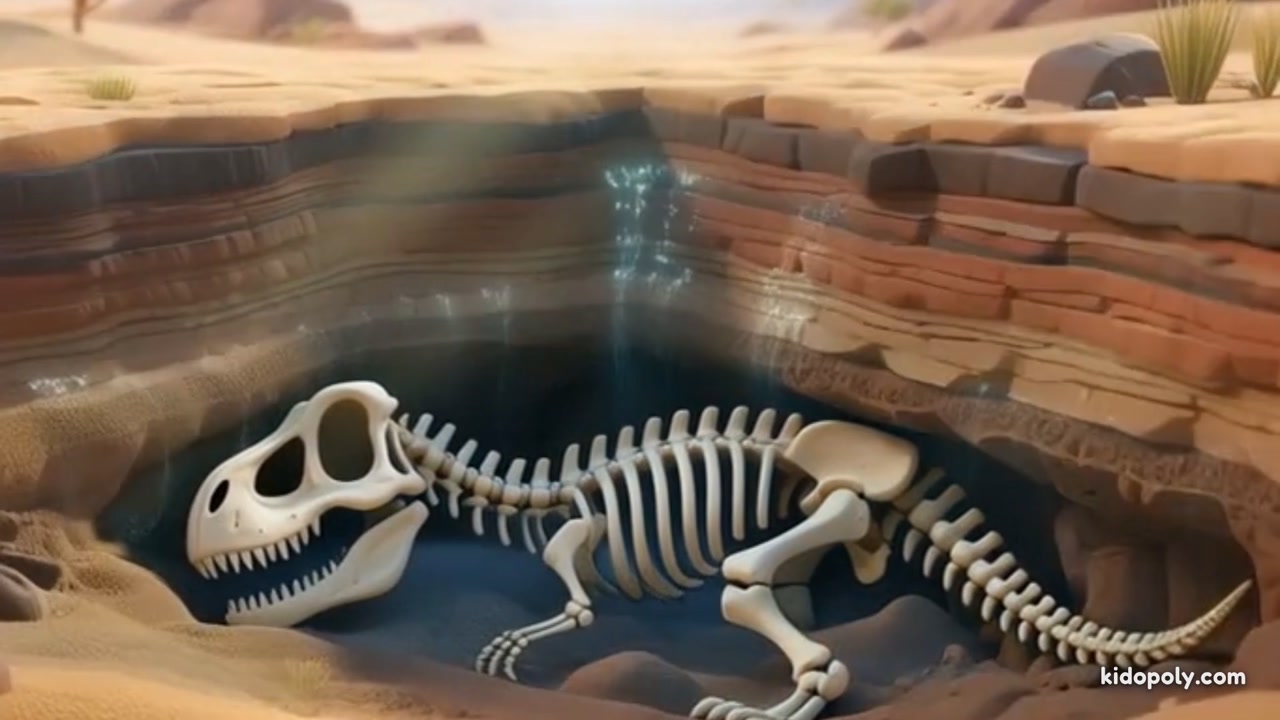
How do we know how fast a creature from millions of years ago grew? Paleontologists look at the inside of fossilised bones. Just like a tree has rings in its trunk that show how old it is and how much it grew each year, dinosaur bones have "Lines of Arrested Growth." By counting these, we can see that giant long-necked sauropods were the real speed champions. Some of these gentle giants likely gained several kilograms of weight every single day during their peak growing seasons. They had to eat almost constantly to keep up with their own expanding bodies!
3The Great Race to Grow Up
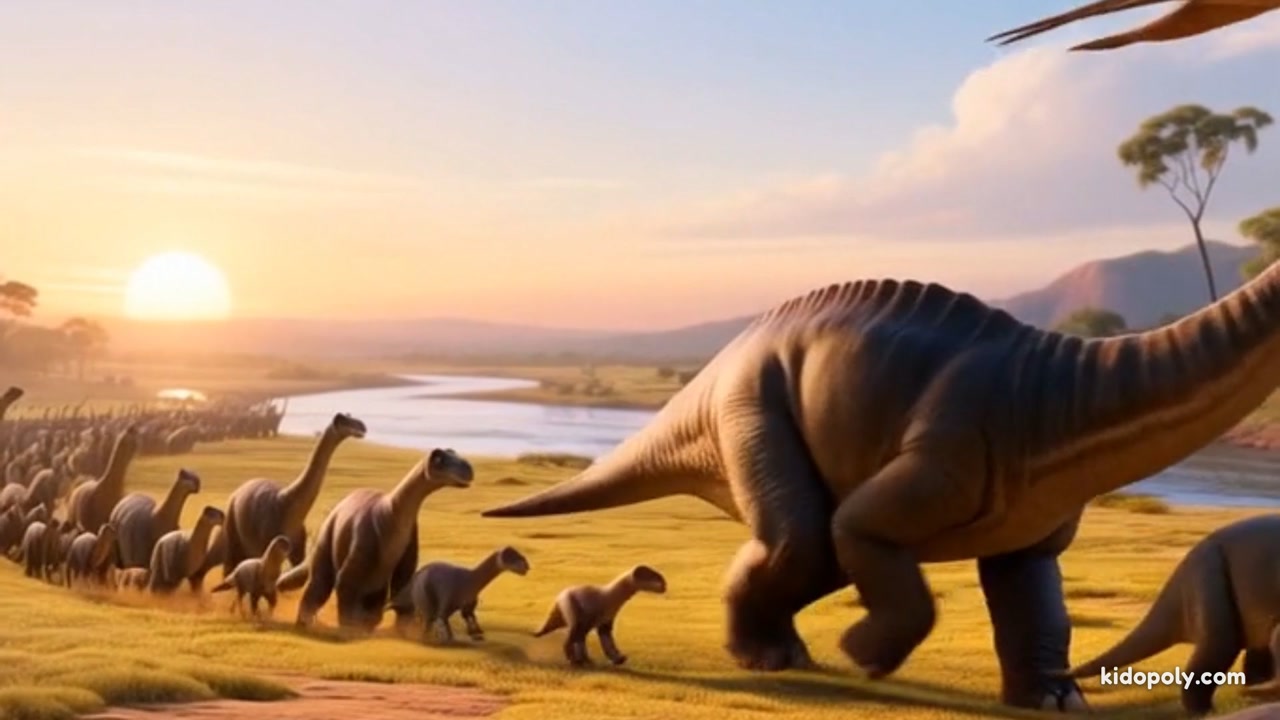
Growing fast wasn't just a cool trick; it was a vital survival strategy. In the prehistoric world, being small meant you were a tasty snack for predators. By reaching a massive size quickly, dinosaurs like the Diplodocus became too big for most meat-eaters to even think about attacking. This "race to be giant" helped them survive long enough to reach adulthood and have their own families. While some small dinosaurs reached adulthood in just a few years, the biggest ones could take decades to reach their full, earth-shaking size.