1The Mystery of Dinosaur Groups
Have you ever wondered if dinosaurs were lonely explorers or if they preferred to hang out with friends? For a long time, people thought dinosaurs lived mostly by themselves, but modern science tells a different story! By studying "trackways"—which are long paths of fossilised footprints—paleontologists have found evidence of hundreds of dinosaurs moving in the same direction at the same time. These tracks show that many species were actually very social and chose to spend their lives in massive herds, just like modern-day bison or zebras.
2Safety in the Prehistoric Herd
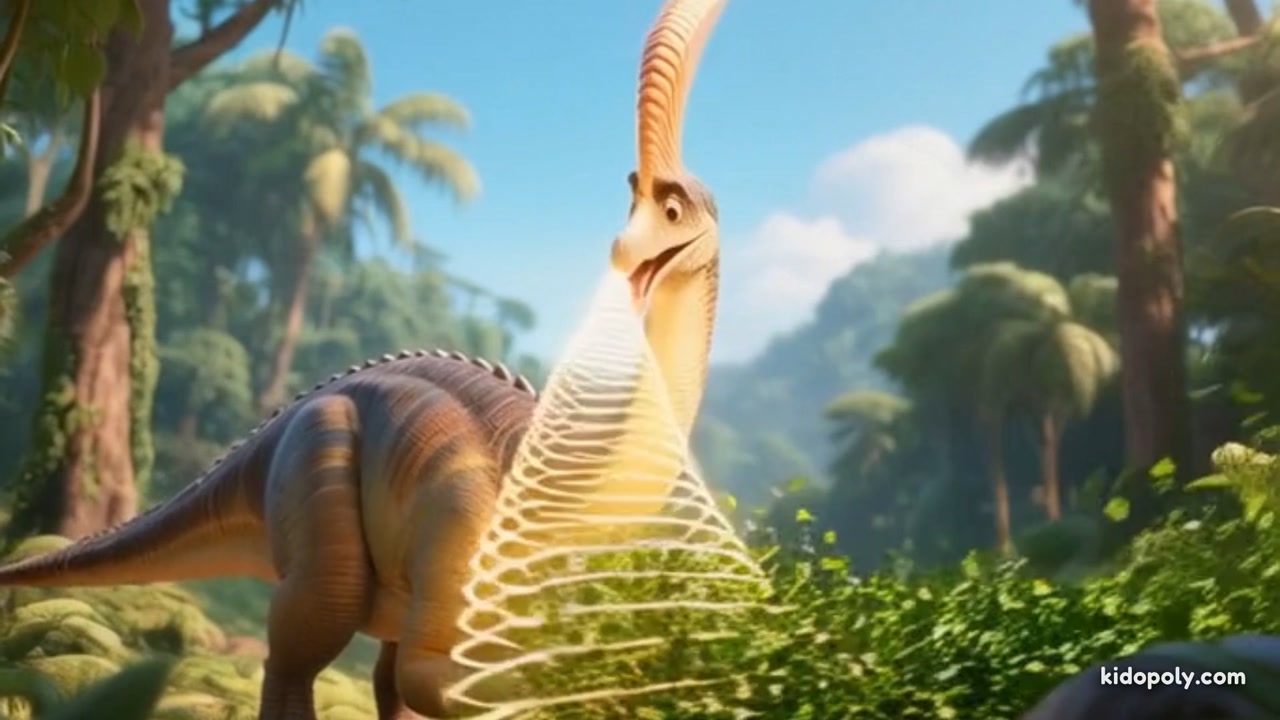
Living in a group was a brilliant survival strategy, especially for plant-eaters like the long-necked Apatosaurus or the duck-billed Edmontosaurus. In a herd, there are hundreds of eyes, ears, and noses on the lookout for hungry predators like Tyrannosaurus rex. When a threat appeared, the adults would often form a protective circle or keep the smaller, more vulnerable youngsters in the middle of the group. This "safety in numbers" made it much harder for a predator to pick out a single target, as the sheer size and movement of the herd could be very confusing and dangerous to a lone attacker.
3Giant Fossil Bonebeds
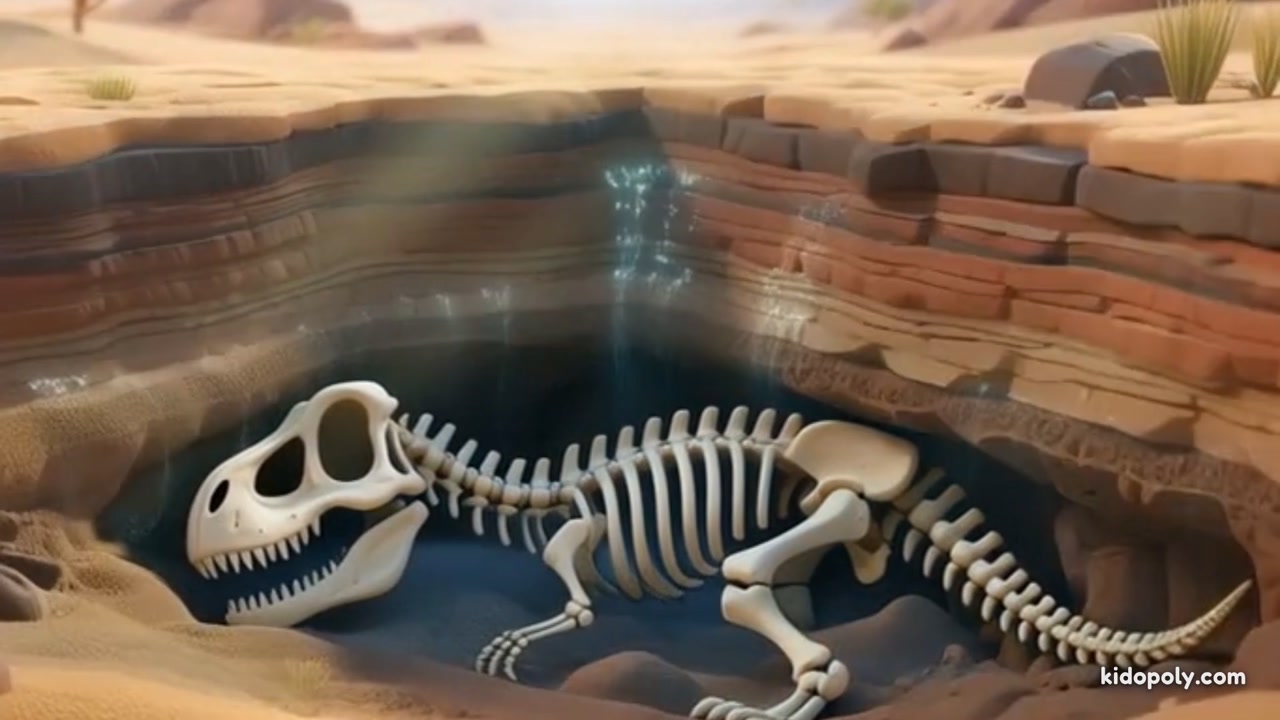
One of the most exciting ways we learn about herds is through "bonebeds." These are special fossil sites where the remains of hundreds or even thousands of the same type of dinosaur are found all mixed together in one layer of rock. Scientists believe these huge groups might have been caught in a sudden natural disaster, like a massive prehistoric flood. Finding so many of the same species in one spot proves they weren't just traveling together by accident—they were living as a community. These massive gatherings helped them find food more easily and allowed them to migrate across thousands of miles together.