Dinosaurs 1:00

Dinosaur Herds Roamed for Kids

1The Mystery of Dinosaur Groups

Have you ever wondered if dinosaurs were lonely explorers or if they preferred to hang out with friends? For a long time, people thought dinosaurs lived mostly by themselves, but modern science tells a different story! By studying "trackways"—which are long paths of fossilised footprints—paleontologists have found evidence of hundreds of dinosaurs moving in the same direction at the same time. These tracks show that many species were actually very social and chose to spend their lives in massive herds, just like modern-day bison or zebras.

2Safety in the Prehistoric Herd

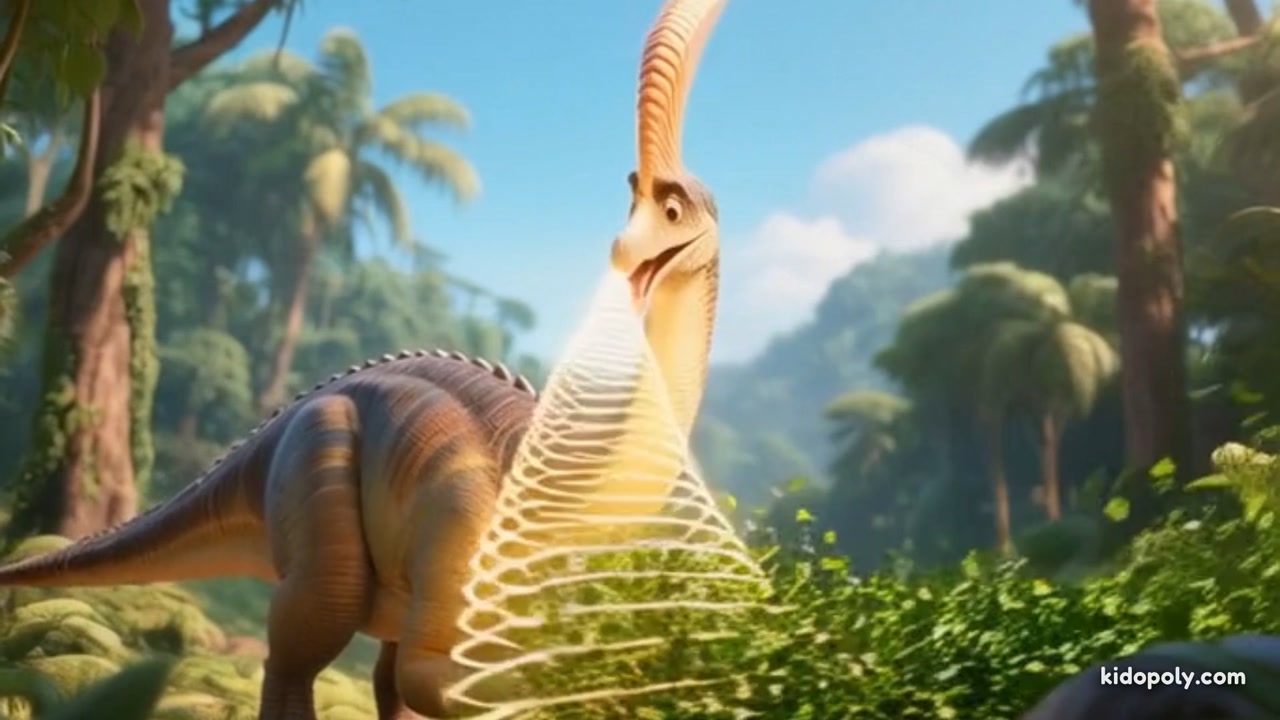
Living in a group was a brilliant survival strategy, especially for plant-eaters like the long-necked Apatosaurus or the duck-billed Edmontosaurus. In a herd, there are hundreds of eyes, ears, and noses on the lookout for hungry predators like Tyrannosaurus rex. When a threat appeared, the adults would often form a protective circle or keep the smaller, more vulnerable youngsters in the middle of the group. This "safety in numbers" made it much harder for a predator to pick out a single target, as the sheer size and movement of the herd could be very confusing and dangerous to a lone attacker.

3Giant Fossil Bonebeds

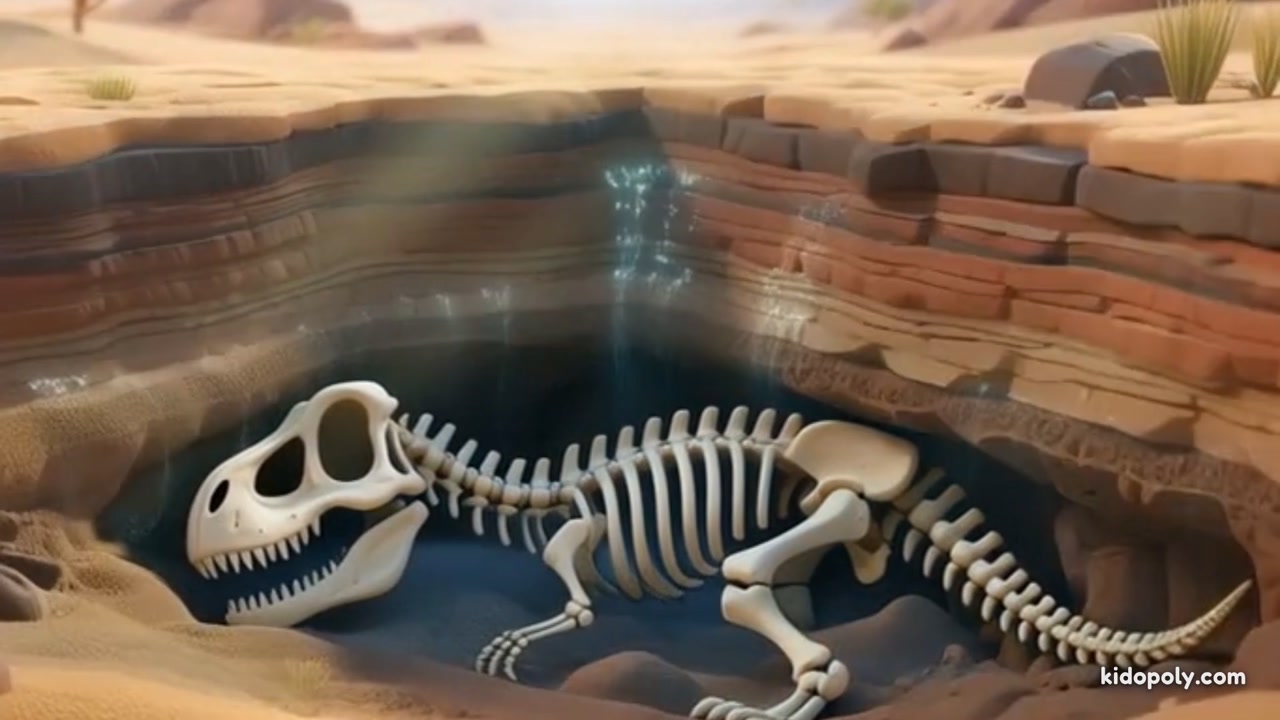
One of the most exciting ways we learn about herds is through "bonebeds." These are special fossil sites where the remains of hundreds or even thousands of the same type of dinosaur are found all mixed together in one layer of rock. Scientists believe these huge groups might have been caught in a sudden natural disaster, like a massive prehistoric flood. Finding so many of the same species in one spot proves they weren't just traveling together by accident—they were living as a community. These massive gatherings helped them find food more easily and allowed them to migrate across thousands of miles together.
Video Transcript

Introduction

Did dinosaurs live all by themselves, or did they roam in big groups, like elephants or wildebeest today? Scientists find clues in fossilised footprints and bonebeds that suggest many dinosaurs were social creatures, living and travelling in herds. Finding many dinosaur fossils of the same species in one area, or long lines of footprints moving in the same direction, helps us understand their fascinating group behaviour and how they might have protected each other.

Key Facts

Did you know that some incredible fossil sites contain hundreds, even thousands, of individual dinosaurs of the same type, suggesting they died together in a herd, perhaps during a flood or other natural disaster? Did you know that the long-necked sauropods, like Apatosaurus, are thought to have moved in large herds, with adults protecting the younger, more vulnerable members in the middle?

Think About It

Why would living in a herd be helpful for a dinosaur, especially if it was a plant-eater?

The Answer

Living in a herd would be very helpful for a plant-eating dinosaur because there are more eyes and ears to spot predators. When a predator attacks, the herd can work together to defend themselves, or confuse the attacker, making it harder for one individual to be caught. It's a 'safety in numbers' strategy.

Frequently Asked Questions

Which dinosaurs lived in the biggest herds?

Duck-billed dinosaurs, known as hadrosaurs, often lived in massive groups. Some fossil sites in North America contain the remains of over 10,000 individuals, suggesting they moved in gigantic communities across the landscape.

How do footprints prove dinosaurs moved in groups?

Paleontologists look for 'trackways' where many sets of footprints of the same species are found side-by-side. If the footprints are all heading the same way and are preserved in the same layer of mud, it shows a herd was traveling together.

Did meat-eating dinosaurs also live in herds?

While most herds were made of plant-eaters, some evidence suggests that predators like Deinonychus or even T-rex might have lived in smaller family groups or 'packs.' This allowed them to work together to hunt much larger prey that they couldn't catch alone.

Why did dinosaurs keep babies in the middle of the herd?

Fossil trackways show smaller footprints in the center of a path, surrounded by much larger adult footprints. This protected the younger, slower dinosaurs from predators lurking on the edges of the group, ensuring the next generation stayed safe.

Watch More Videos

Discover fun educational videos about science, history, animals, and more.

Explore All Videos
Audience Debug