Dinosaurs 1:00

Sick Dinosaurs for Kids

1Detective Work with Dino Bones

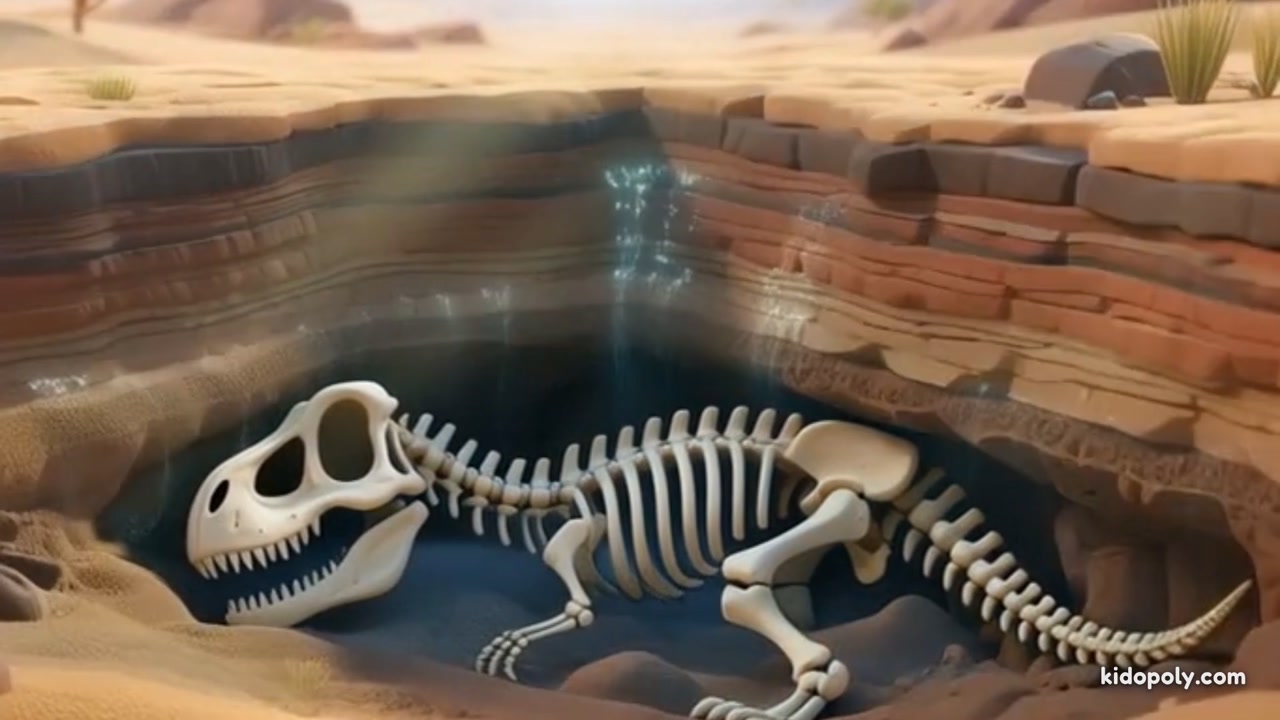
Imagine being a "dino doctor" who only has skeletons to look at! Paleopathologists are special scientists who study ancient diseases by examining fossilized bones. Just like you might get an X-ray for a broken arm, these scientists use high-tech scans to look inside fossils that are millions of years old. They have discovered that even the largest dinosaurs, like the long-necked Diplodocus, suffered from respiratory infections. These infections would have felt a lot like a modern-day cold or flu, causing the dinosaurs to cough or feel very tired while they roamed the prehistoric forests.

2Common Prehistoric Problems

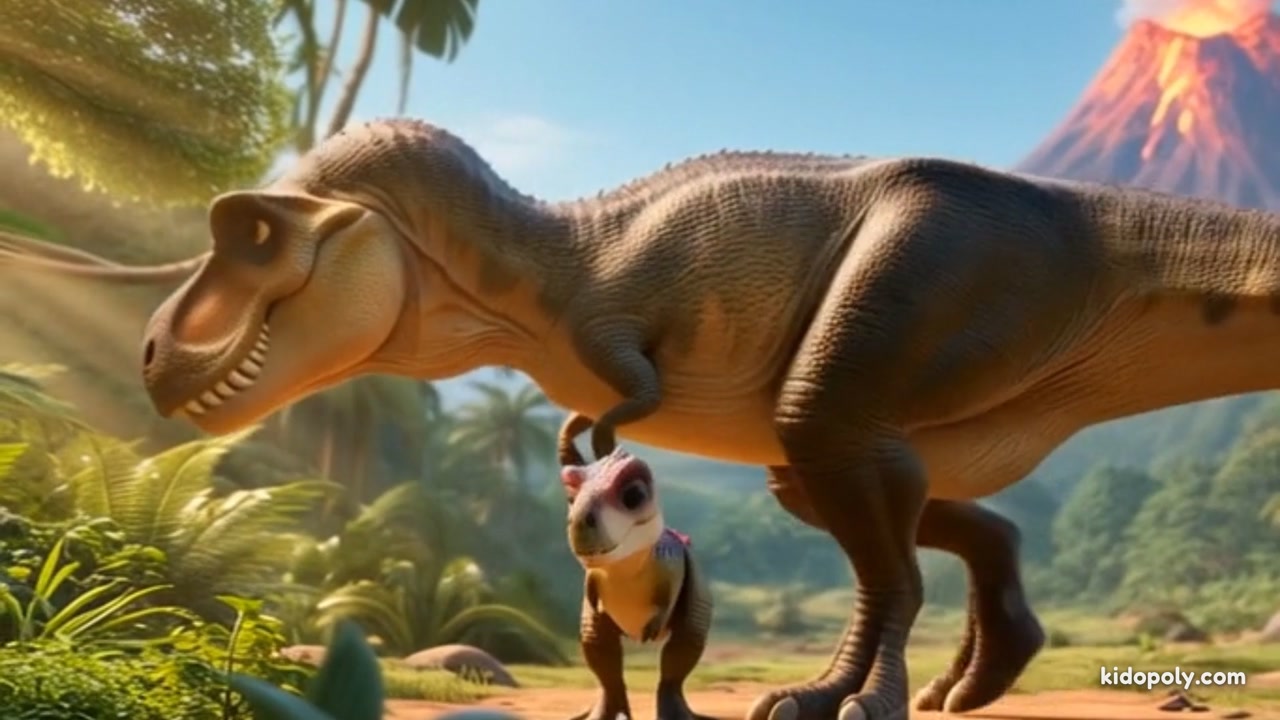
Life in the Mesozoic Era was tough, and dinosaurs faced many of the same health challenges humans do today. Scientists have found evidence of gout and arthritis in the joints of older dinosaurs, meaning many of them walked with a bit of a limp or had achy knees as they aged. One of the most famous discoveries involves a Tyrannosaurus Rex named Sue, whose jawbone shows signs of a parasitic infection. This parasite likely came from eating infected prey and made the T-Rex's throat swell up, making it very difficult to swallow a big prehistoric snack. Scientists believe this specific infection is very similar to one found in modern birds like hawks and pigeons!

3The Survival of the Toughest

Even though there were no hospitals 66 million years ago, dinosaurs were incredibly resilient. When a dinosaur broke a leg or a rib, its body would immediately start building new bone to bridge the gap, forming a thick, lumpy area called a "callus." Many fossils show massive fractures that completely healed, proving that these animals lived for many years after a scary accident. Some skeletons even show signs of surviving a direct bite from another predator! These incredible fossils prove that dinosaurs weren't just giant monsters; they were living, breathing animals that could heal, grow, and overcome some very nasty boo-boos.
Video Transcript

Introduction

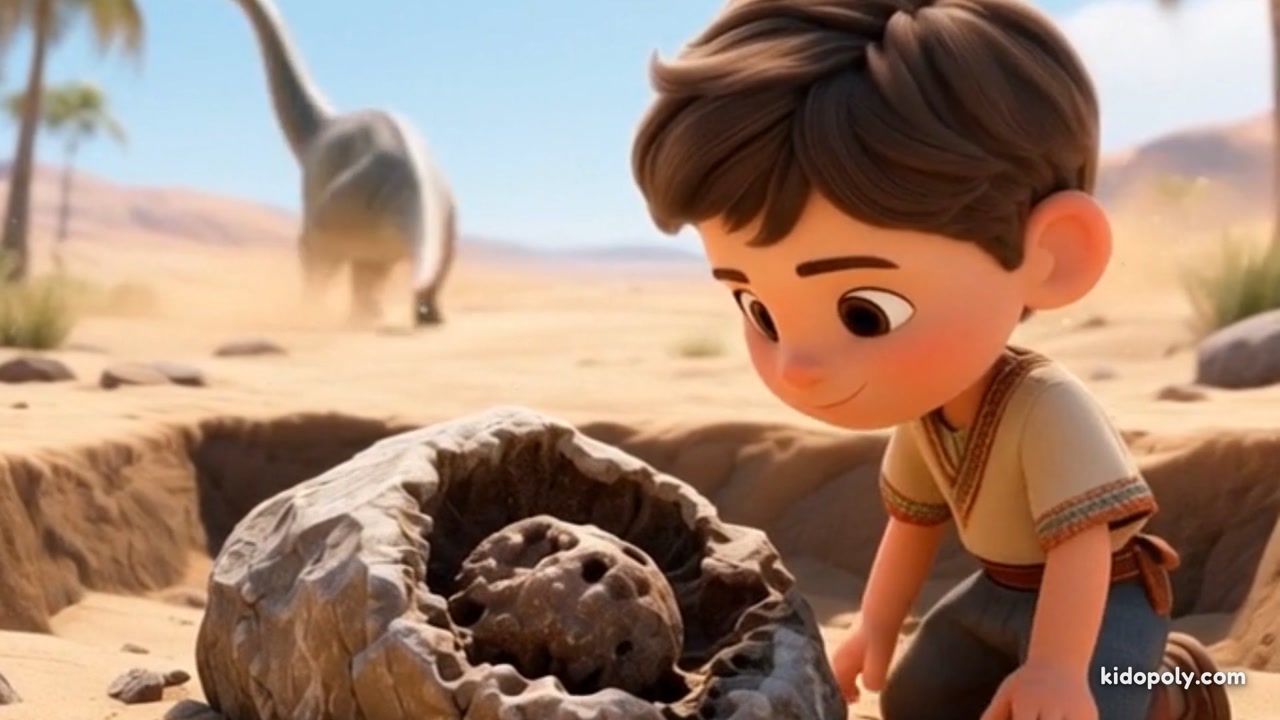
Even mighty dinosaurs could get sick or injured! Scientists can learn about ancient illnesses and wounds by carefully examining their fossilised bones. They look for signs like broken bones that healed strangely, infections that left marks, or even tiny tumours. These incredible clues tell us that dinosaurs faced many of the same health challenges as animals today, and some even survived nasty injuries thanks to their powerful bodies.

Key Facts

Did you know that palaeontologists have found dinosaur bones with evidence of arthritis, a joint disease that affects modern animals and humans, suggesting dinosaurs also suffered from aches and pains? Did you know that a Tyrannosaurus Rex skull was found with holes that scientists believe were caused by a parasitic infection, similar to one found in modern birds, which might have made eating very painful?

Think About It

How can a scientist tell if a dinosaur's broken leg bone healed properly or caused problems later in its life?

The Answer

A scientist can tell by looking at the healed bone. If it healed properly, the bone might show a smooth, strong connection. If it caused problems, the bone might be unusually lumpy, deformed, or show signs of abnormal growth or infection around the break, indicating pain or limited movement for the dinosaur.

Frequently Asked Questions

Did dinosaurs ever get the common cold?

While we can't be 100% sure, scientists have found evidence of respiratory infections in the neck bones of some sauropods. These air-filled bones show signs of swelling and damage that look just like the damage caused by modern flu-like viruses, meaning a sneezing dinosaur was totally possible!

Could a dinosaur survive a broken bone?

Yes, they absolutely could! Paleontologists have found many fossils with 'healed fractures' where the bone grew back stronger and thicker than before. This tells us that even after a serious injury, a dinosaur could live for several more years in the wild.

Did dinosaurs have toothaches like we do?

They certainly did! Scientists have found dinosaur jawbones with abscesses, which are painful infections caused by bacteria getting into a broken tooth or a gum wound. For a predator like T-Rex, a toothache would have made hunting and eating very difficult and painful.

How do scientists know if a dinosaur had cancer?

Scientists use CT scans and X-rays to look inside fossilized bones for unusual growths. They have actually discovered small, non-spreading tumors in the tail bones of duck-billed dinosaurs, proving that even millions of years ago, cells could sometimes grow the wrong way.

Watch More Videos

Discover fun educational videos about science, history, animals, and more.

Explore All Videos
Audience Debug