Dinosaurs 1:00

Dinosaur Egg Nests for Kids

1Prehistoric Nurseries and Fossil Secrets

When we think of dinosaurs, we often imagine giant monsters stomping through the jungle, but every single one of those giants started as a tiny hatchling inside an egg! Paleontologists have discovered incredible fossilized "nurseries" all over the world, from the Gobi Desert to the plains of Montana. These sites show us that dinosaurs didn't just drop their eggs and walk away; many were careful architects. Some species, like the long-necked sauropods, would lay up to 25 round eggs in a single pit, while others built elaborate mounds using mud and rotting plants to create a natural heater for their developing babies.

2A Variety of Shapes and Sizes

Not all dinosaur eggs looked the same! Just like birds today, different dinosaurs had unique egg styles. Meat-eating dinosaurs often laid elongated eggs that look like giant, smooth baked potatoes, while plant-eaters usually laid perfectly round eggs. These shells weren't just simple containers; they had tiny pores that allowed oxygen to reach the baby dinosaur growing inside. Some shells were even as thick as a dinner plate to prevent them from breaking, while others were surprisingly thin. These variations tell scientists a lot about the environment where the dinosaur lived and whether the ground was wet or dry.

3The Good Mother and Colony Life

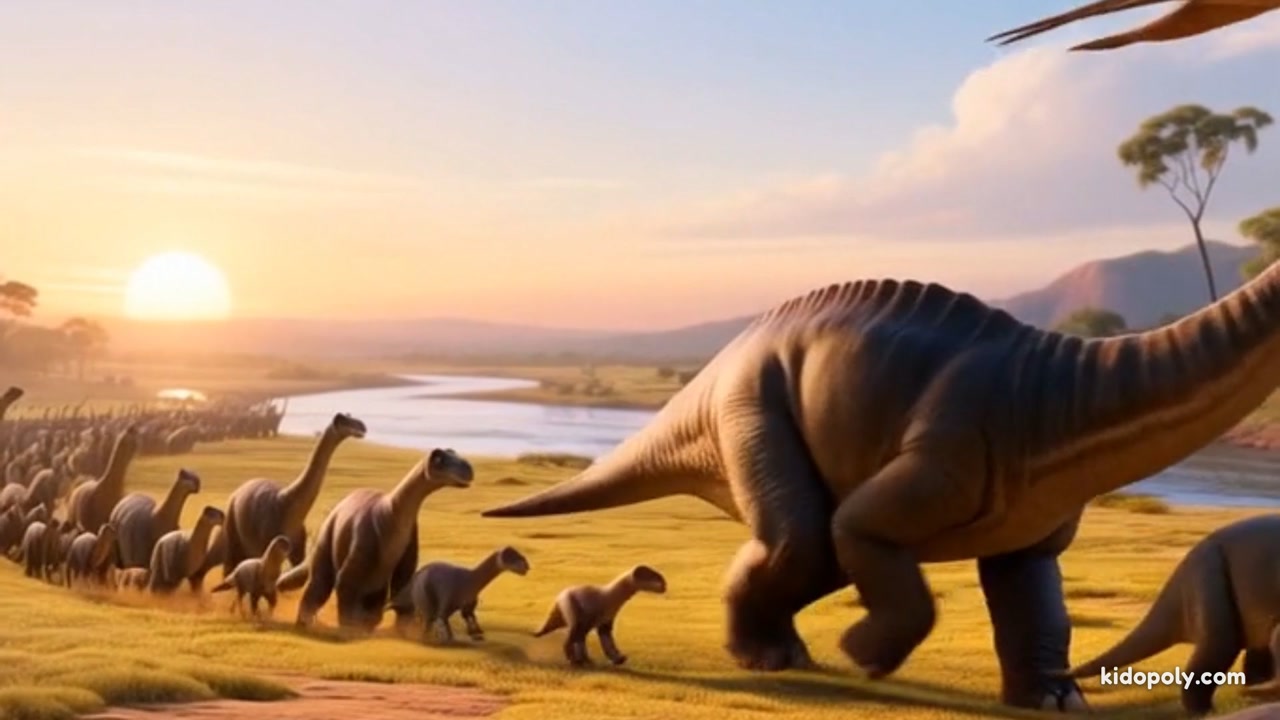
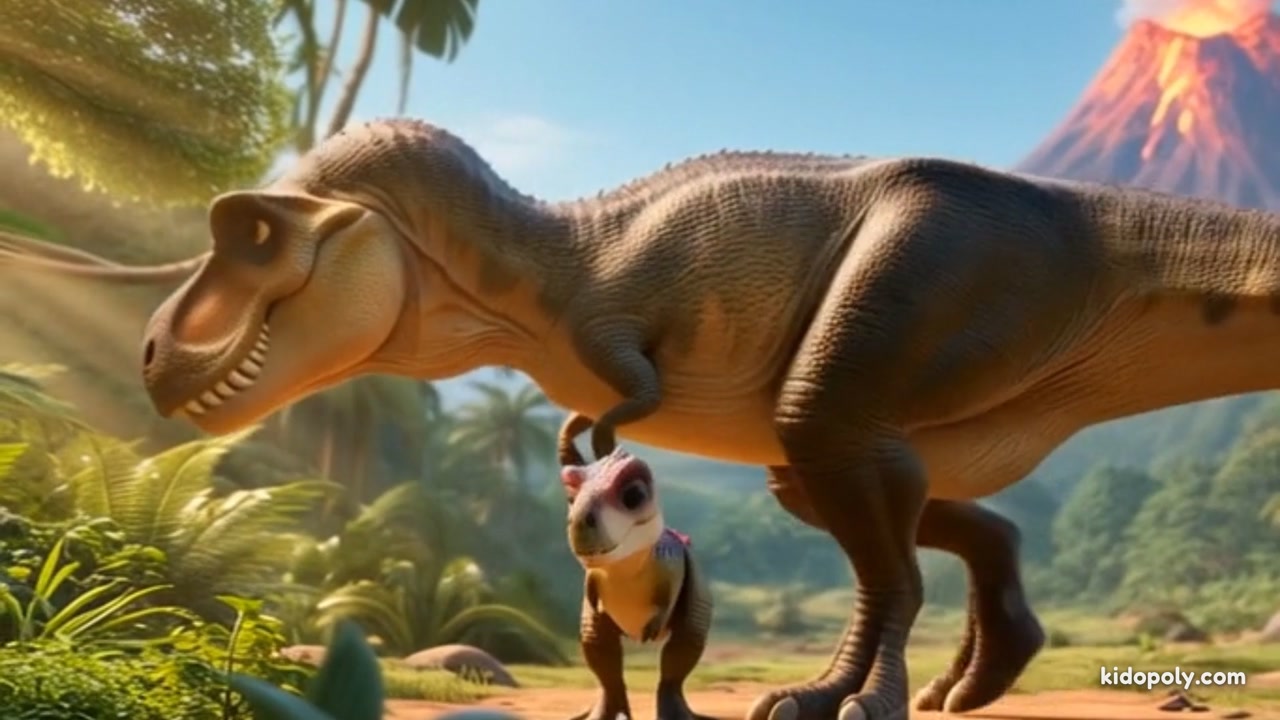
One of the most famous discoveries in dinosaur history is the Maiasaura, a name that literally means "Good Mother Lizard." Fossils show that these dinosaurs nested in huge colonies, much like modern penguins or seagulls. Thousands of Maiasaura parents would gather in the same area to lay their eggs and protect their young. Evidence suggests that once the babies hatched, the parents brought them food and kept them safe until they were strong enough to join the herd. This tells us that some dinosaurs had very complex family lives and worked together to make sure the next generation survived!
Video Transcript

Introduction

Long before you were born, baby dinosaurs were hatching from eggs! Scientists have found incredible fossilised dinosaur nests and eggs, giving us a peek into how these ancient parents cared for their young. Some dinosaurs dug pits in the ground for their eggs, while others might have built mound nests from mud and plants. These amazing discoveries help us understand their parenting styles, from laying eggs to protecting their precious clutches.

Key Facts

Did you know that some dinosaur eggs have unique shapes and textures, like the elongated eggs of some carnivorous dinosaurs or the round, rough-shelled eggs of sauropods? Did you know that the Maiasaura, whose name means 'good mother lizard', is famous for nesting in colonies and possibly caring for its young after they hatched, showing early signs of complex dinosaur family life?

Think About It

Why would a dinosaur bury its eggs in the ground or in a mound of plants, instead of just laying them out in the open?

The Answer

Burying eggs in the ground or in a mound of plants offered several advantages. It helped to keep the eggs warm and protected from extreme temperatures, similar to how reptile eggs are incubated today. It also hid the eggs from hungry predators who might want to eat them, giving the baby dinosaurs a better chance to hatch safely.

Frequently Asked Questions

How big was the largest dinosaur egg ever found?

The biggest dinosaur eggs belonged to the giant long-necked herbivores and were roughly the size of a large American football! While that sounds huge, it is actually quite small compared to the 100-foot-long adults they would eventually become.

Did dinosaurs sit on their eggs like birds do?

Smaller dinosaurs, like the bird-like Oviraptor, have been found fossilized directly on top of their nests, suggesting they used their feathers and body heat to keep the eggs warm. However, giant dinosaurs were too heavy to sit on their nests and instead covered their eggs with soil or plants to incubate them.

How long did it take for a dinosaur egg to hatch?

Scientists estimate that most dinosaur eggs took between three to six months to hatch. By studying the growth lines in fossilized embryonic teeth, researchers found that dinosaur eggs took much longer to hatch than modern bird eggs.

What color were dinosaur eggs?

Recent studies have found chemical evidence that some dinosaur eggs were actually colorful! While many were likely white or tan, some meat-eating dinosaurs laid eggs that were blue-green or speckled, which helped camouflage them from predators.

Watch More Videos

Discover fun educational videos about science, history, animals, and more.

Explore All Videos
Audience Debug