1Prehistoric Nurseries and Fossil Secrets
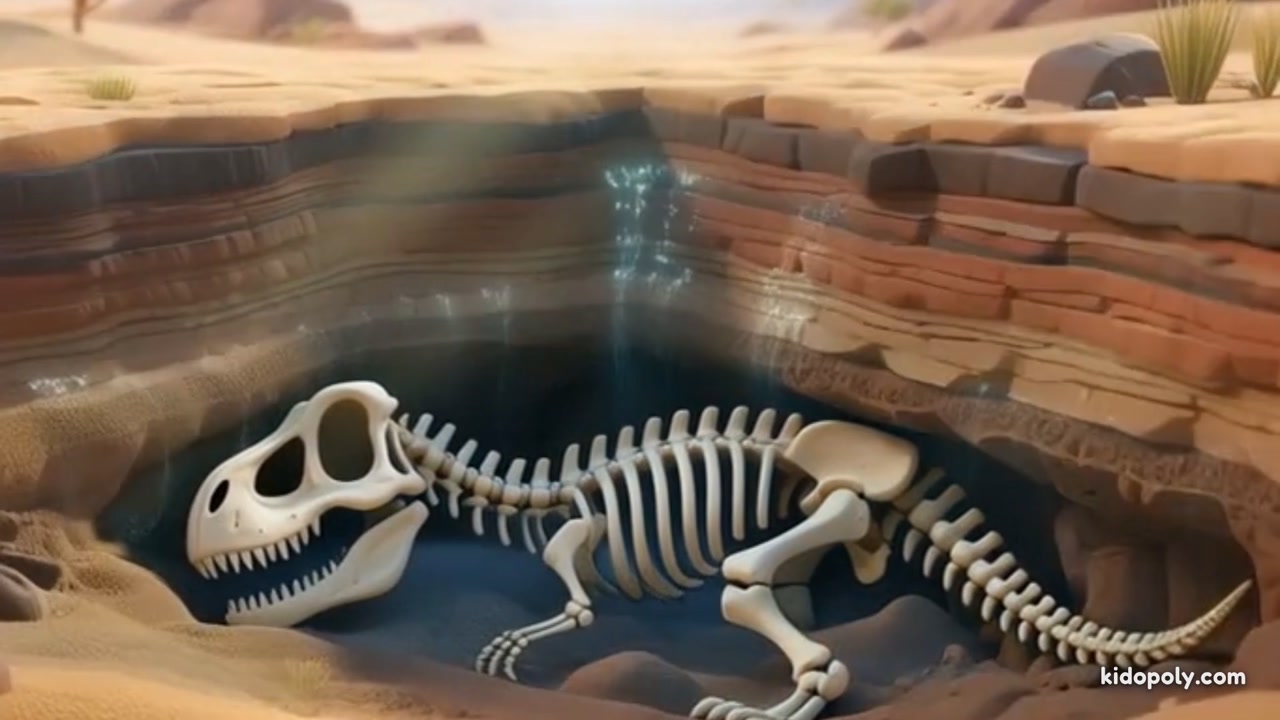
When we think of dinosaurs, we often imagine giant monsters stomping through the jungle, but every single one of those giants started as a tiny hatchling inside an egg! Paleontologists have discovered incredible fossilized "nurseries" all over the world, from the Gobi Desert to the plains of Montana. These sites show us that dinosaurs didn't just drop their eggs and walk away; many were careful architects. Some species, like the long-necked sauropods, would lay up to 25 round eggs in a single pit, while others built elaborate mounds using mud and rotting plants to create a natural heater for their developing babies.
2A Variety of Shapes and Sizes
Not all dinosaur eggs looked the same! Just like birds today, different dinosaurs had unique egg styles. Meat-eating dinosaurs often laid elongated eggs that look like giant, smooth baked potatoes, while plant-eaters usually laid perfectly round eggs. These shells weren't just simple containers; they had tiny pores that allowed oxygen to reach the baby dinosaur growing inside. Some shells were even as thick as a dinner plate to prevent them from breaking, while others were surprisingly thin. These variations tell scientists a lot about the environment where the dinosaur lived and whether the ground was wet or dry.
3The Good Mother and Colony Life
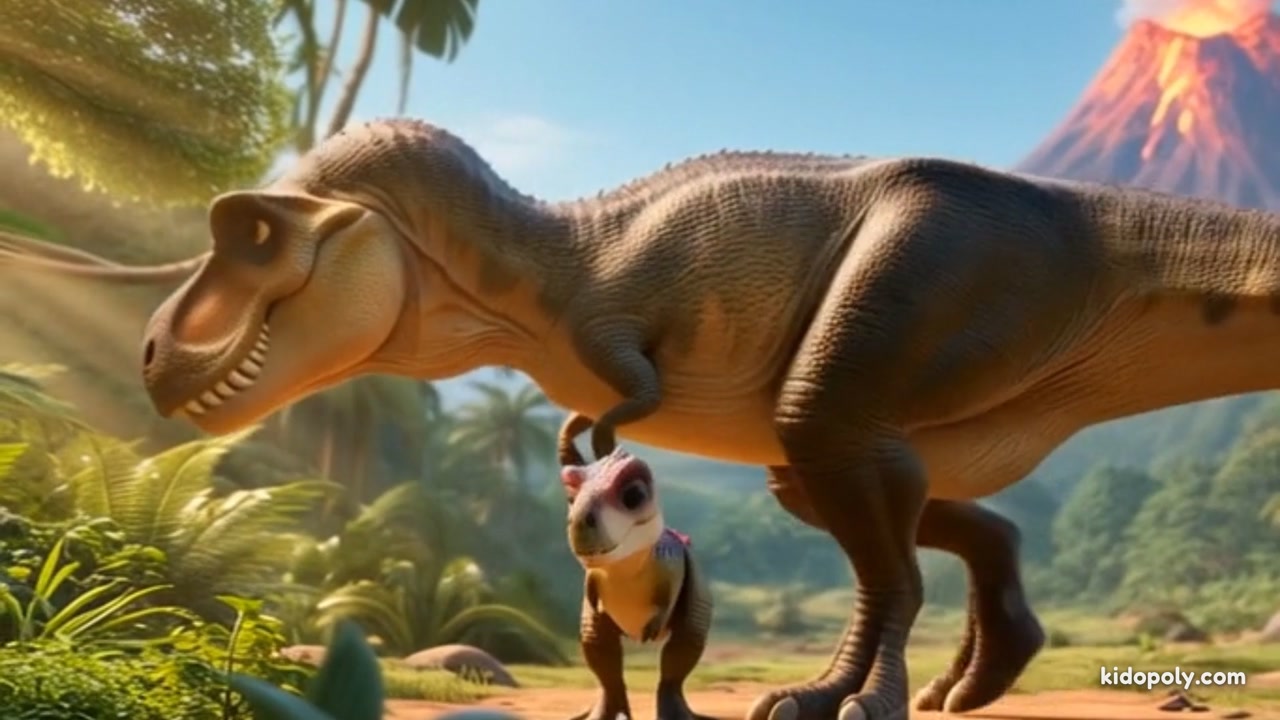
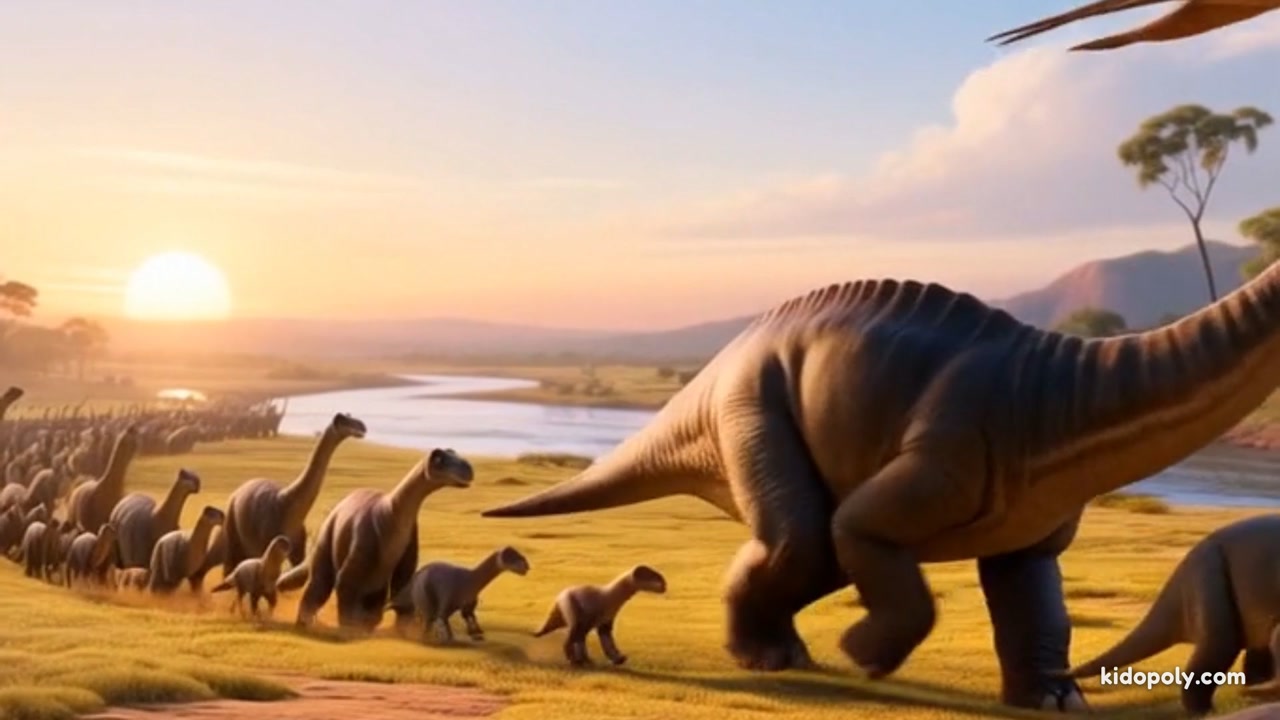
One of the most famous discoveries in dinosaur history is the Maiasaura, a name that literally means "Good Mother Lizard." Fossils show that these dinosaurs nested in huge colonies, much like modern penguins or seagulls. Thousands of Maiasaura parents would gather in the same area to lay their eggs and protect their young. Evidence suggests that once the babies hatched, the parents brought them food and kept them safe until they were strong enough to join the herd. This tells us that some dinosaurs had very complex family lives and worked together to make sure the next generation survived!