1The Science of Ancient Treasures
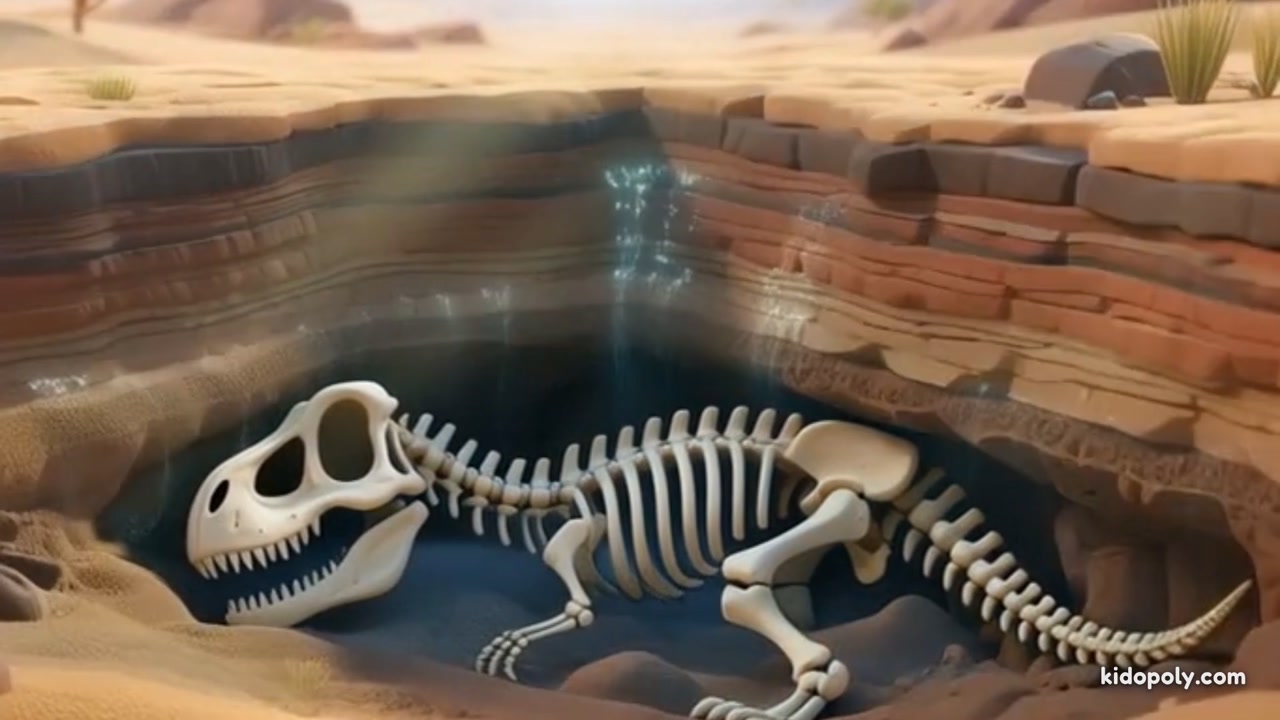
Imagine finding a rock that is actually millions of years old and holds the secret to a dinosaur's dinner! Scientists called palaeontologists love finding fossilised dinosaur poop, which they call coprolites. These aren't just smelly old messes; over millions of years, they have gone through a process called permineralisation. This means the organic material was replaced by hard minerals, turning the waste into solid rock. Because they are fossils, they don't smell anymore, but they act like a perfect time capsule of a dinosaur’s life.
2Clues Hidden Inside
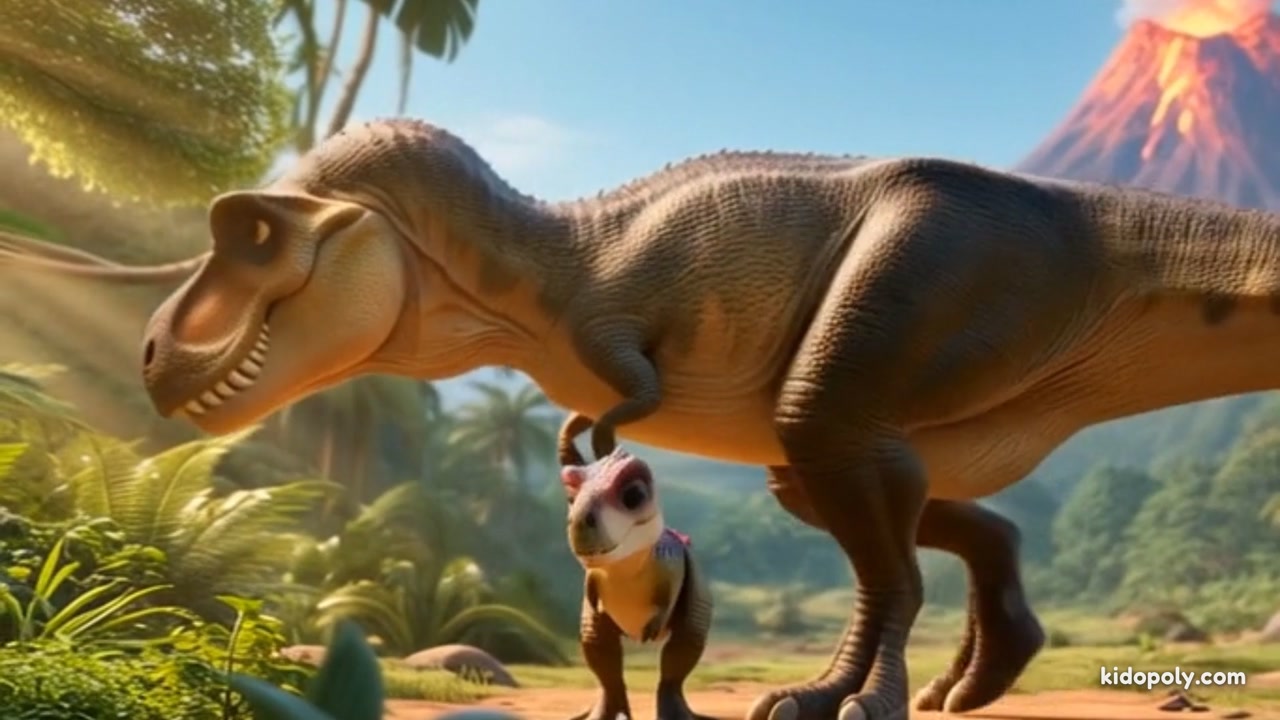
When a scientist carefully breaks open or X-rays a coprolite, it is like opening a surprise gift from the prehistoric world. Inside these fossils, researchers can find tiny shards of bone, which tells them the dinosaur was a meat-eating predator like the Tyrannosaurus rex. If they find fossilised leaves, seeds, or bits of wood, they know they are looking at the leftovers of a plant-eating herbivore, like a Triceratops. Some coprolites even contain tiny scales, suggesting that some dinosaurs were excellent at catching fish or smaller reptiles!
3How Big Was That Dino?
The size and shape of a coprolite are some of the most important clues of all. Some of these fossils are tiny like pebbles, while others are massive, measuring over 40 centimetres long! By looking at the size of the droppings, scientists can guess how big the dinosaur’s digestive system was. This helps them understand if the dinosaur was as tall as a multi-story building or as small as a modern-day chicken. It is truly amazing that by studying "poop clues," we can rebuild the entire world of the dinosaurs!