1Recreating Ancient Echoes
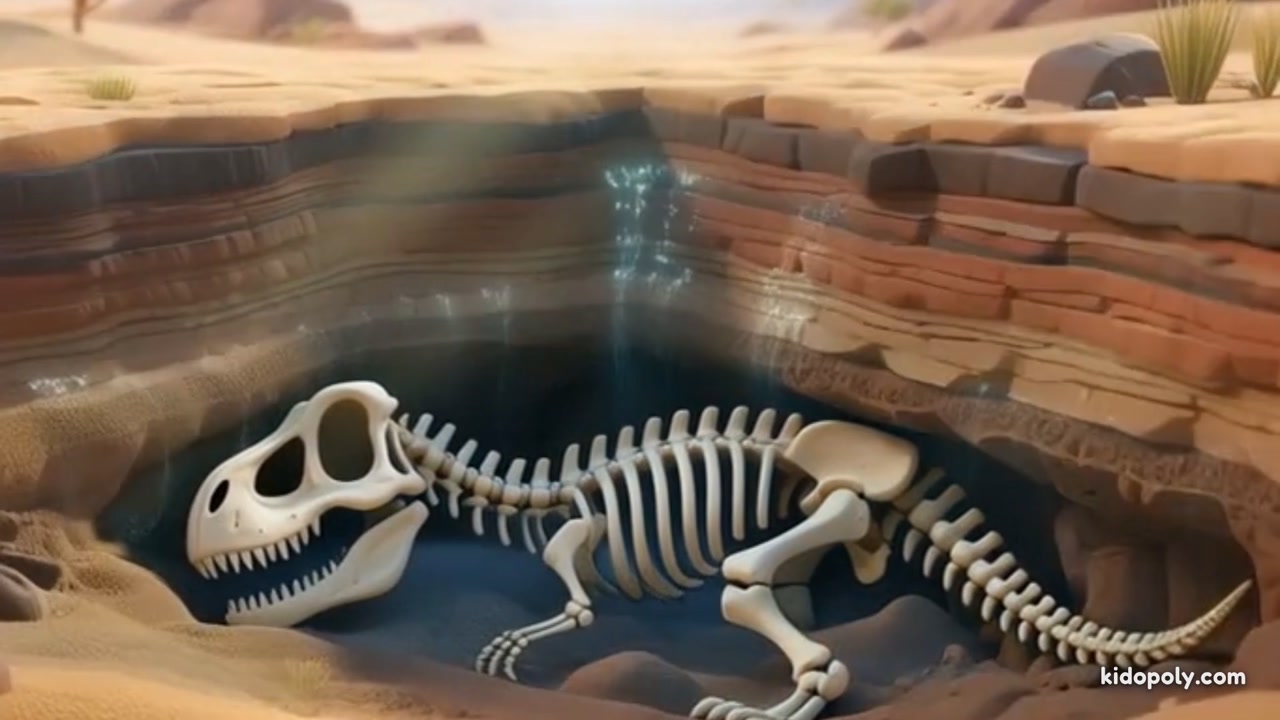
When we watch movies, dinosaurs always seem to have terrifying, ear-splitting roars. However, because dinosaur vocal organs were made of soft tissue that usually doesn’t turn into fossils, scientists have to become "sound detectives." By using high-tech CT scans to look inside fossilized skulls, they can map the shape of the tubes and chambers where air once flowed. For example, some dinosaurs had huge nasal passages that acted like resonance chambers, much like the body of a guitar, helping their voices travel over very long distances.
2The Giant Trombone Dinosaur
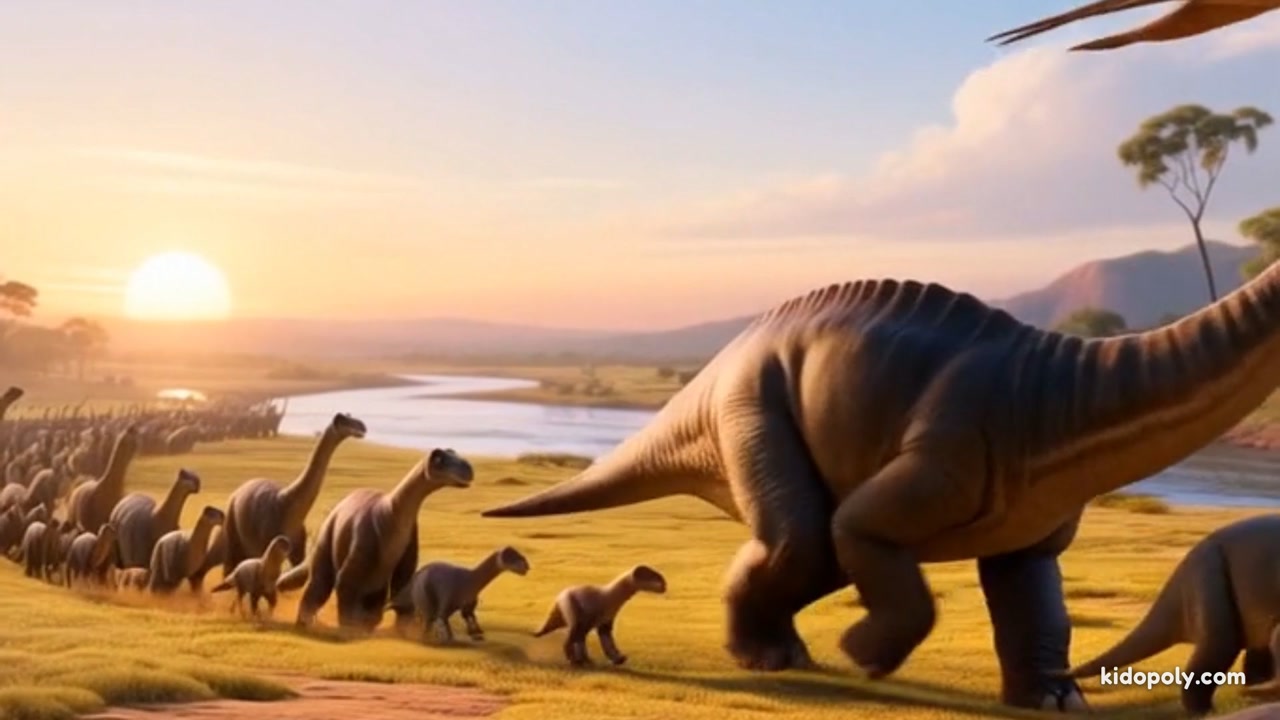
One of the most famous "musical" dinosaurs was the Parasaurolophus. This plant-eater had a massive, hollow crest on its head that could grow over 3 feet (1 meter) long! By creating digital 3D models of this crest and blowing virtual air through it, researchers discovered it likely made a deep, low honking sound, similar to a trombone or a foghorn. These low-frequency sounds are incredible because they can travel through thick jungles and across open plains, allowing a herd to stay in touch even when they are miles apart.
3Bird Calls and Crocodile Rumbles
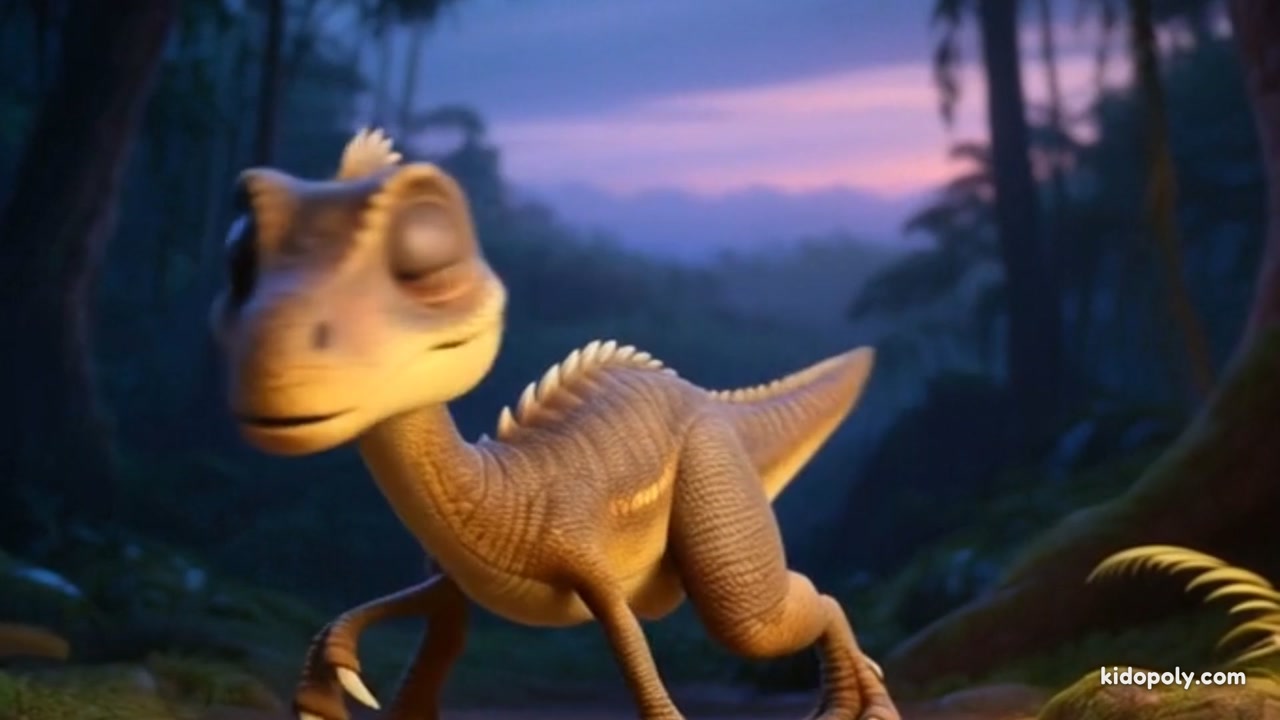
Since we can't travel back in time, we look at the dinosaurs' closest living relatives: birds and crocodiles. While we often imagine a T-Rex roaring like a lion, it is more likely it made "closed-mouth" sounds. This means it might have produced deep, vibrating rumbles or booming calls that you could feel in your bones before you even heard them! Some smaller feathered dinosaurs might have even chirped or cooed just like the birds in your garden, proving the prehistoric world was filled with a huge variety of unique songs and signals.